About us
Un Parell d'Arquitectes
unparell@unparelldarquitectes.cat @unparelldarquitectes +34 972984383 St Josep de Calassanç, 2 17800 OlotPlaça Major
Public space: heritage, housing, and urban life. Olot, 2024
With Clàudia Calvet, Pep de Solà-Morales i Quim Domene
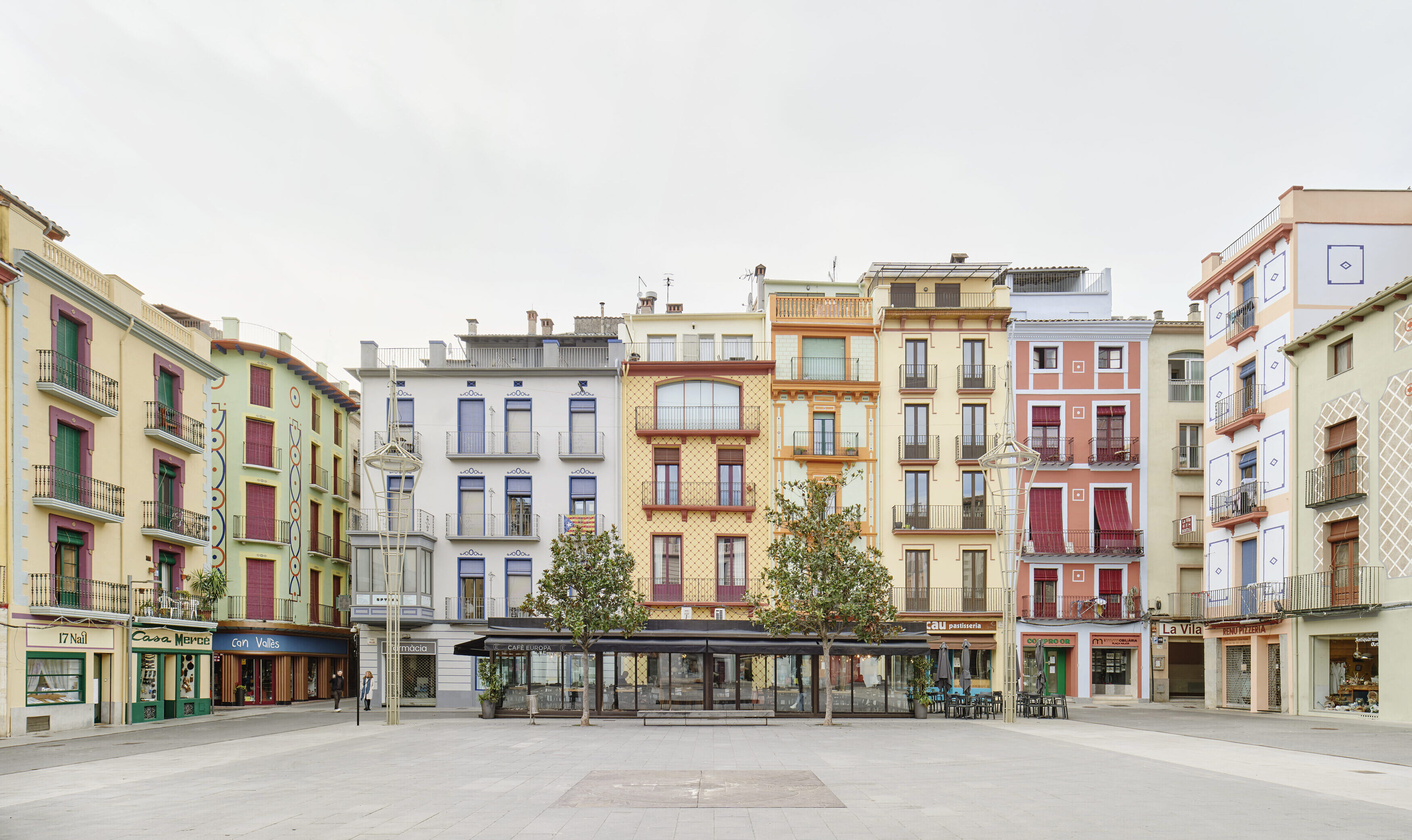
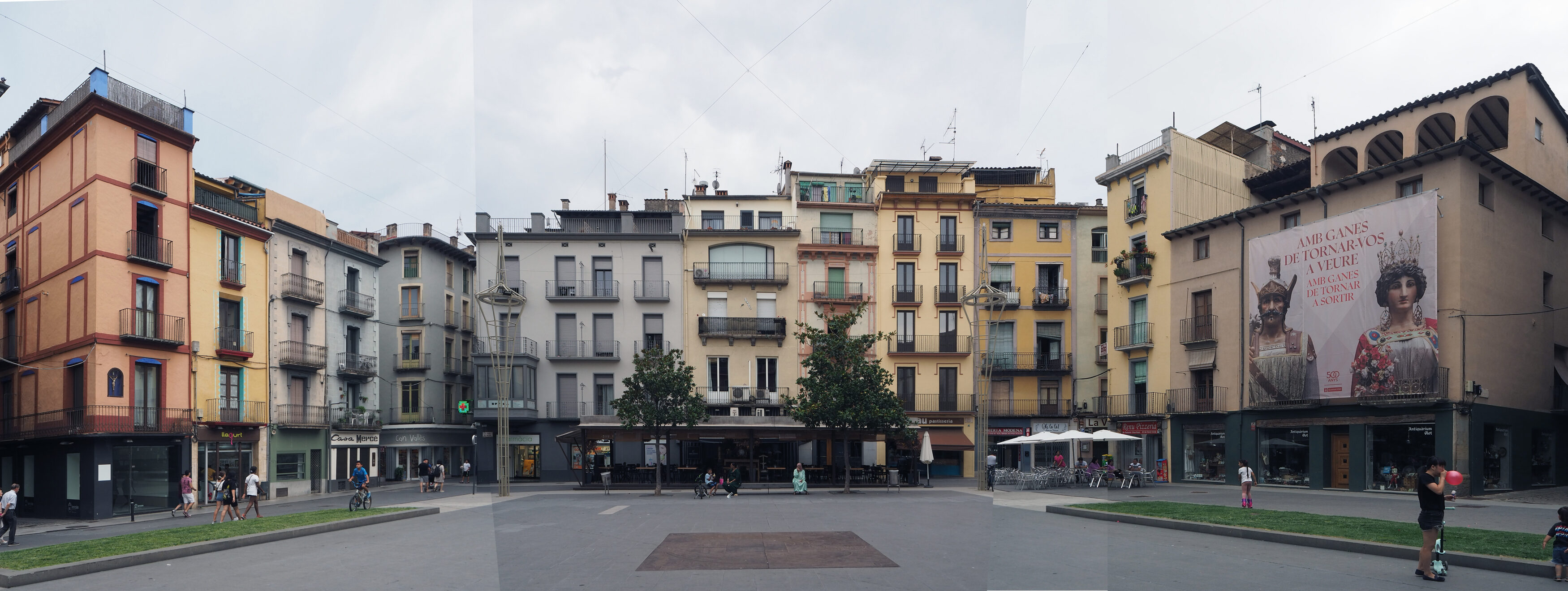
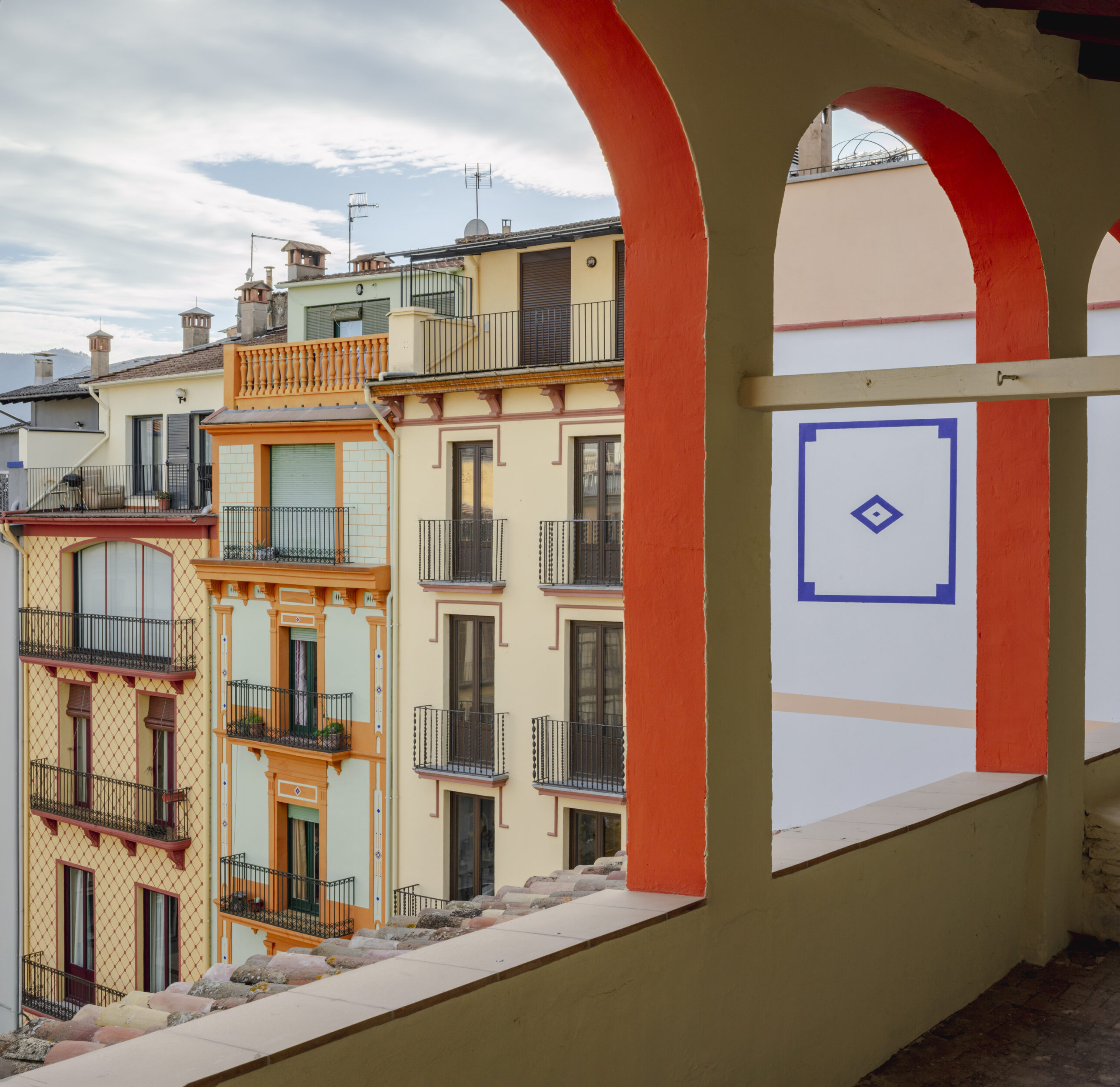
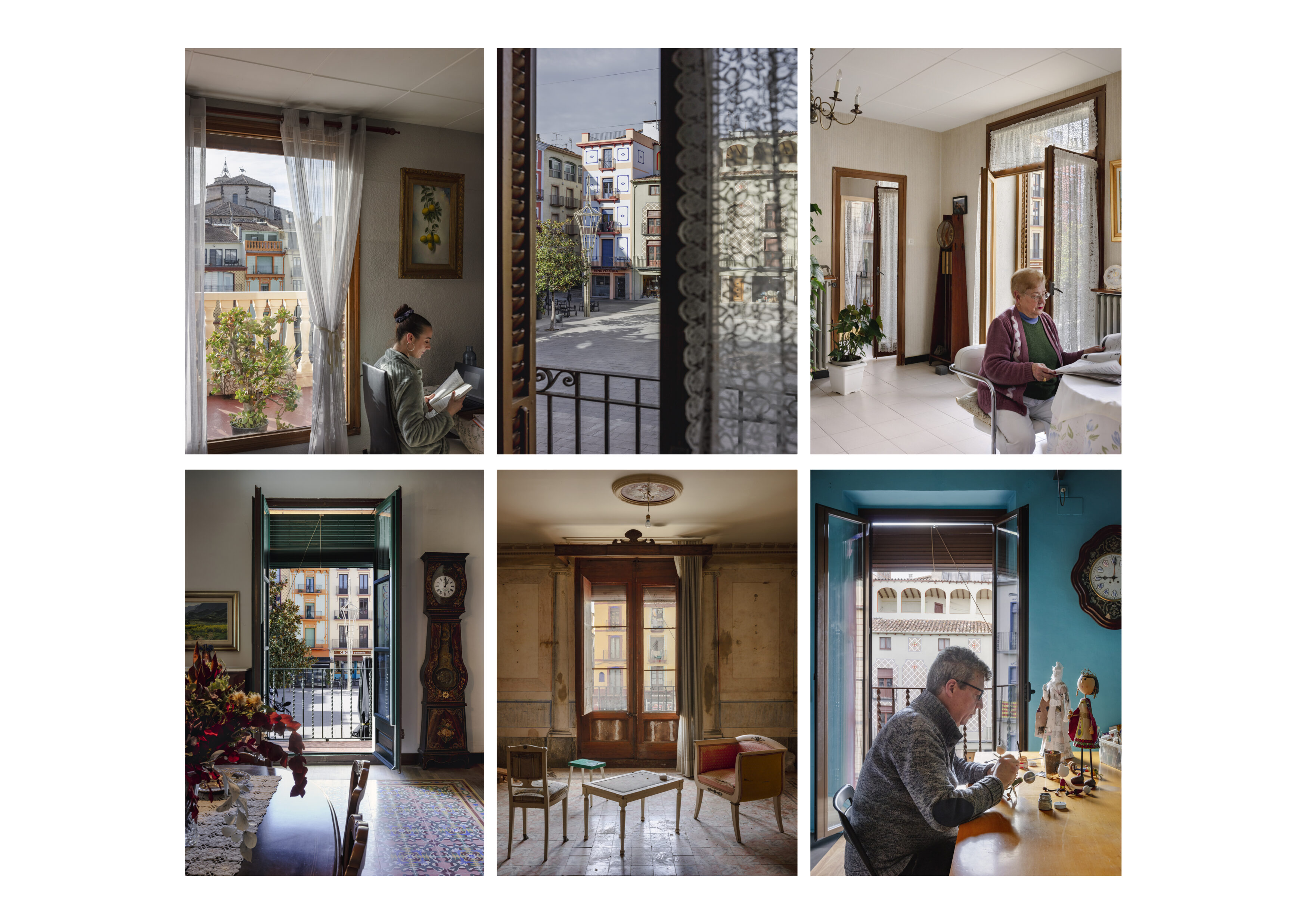
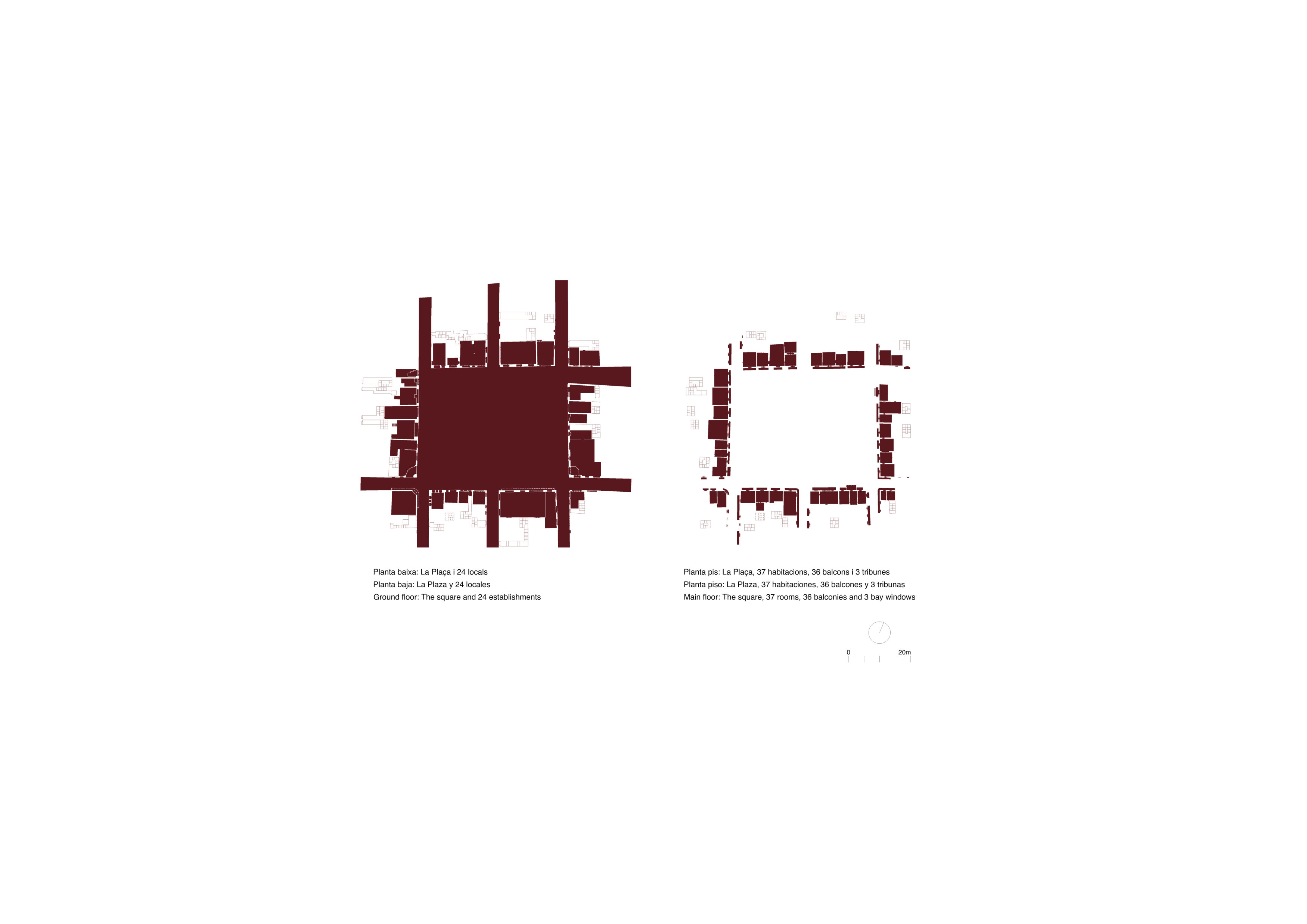
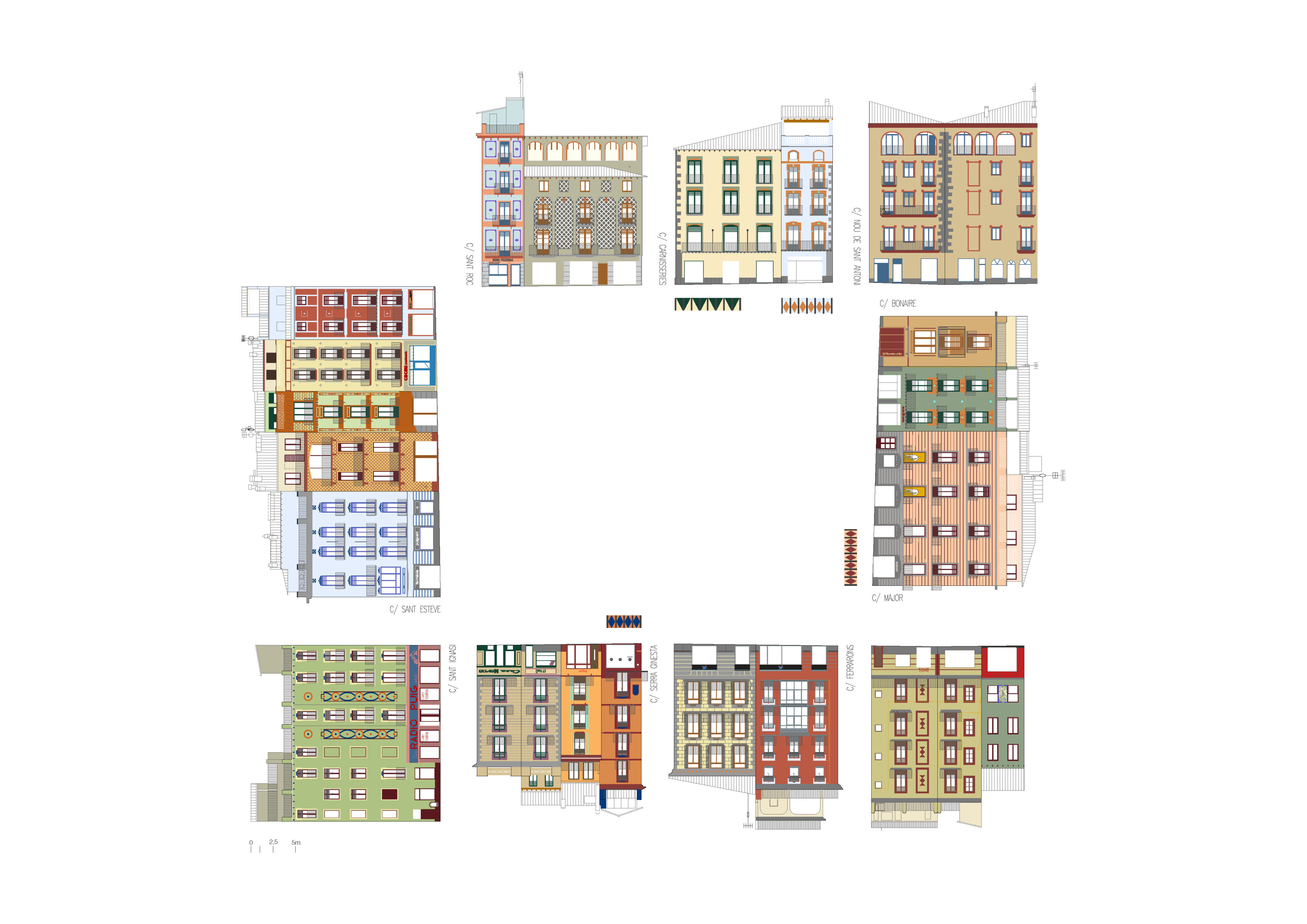
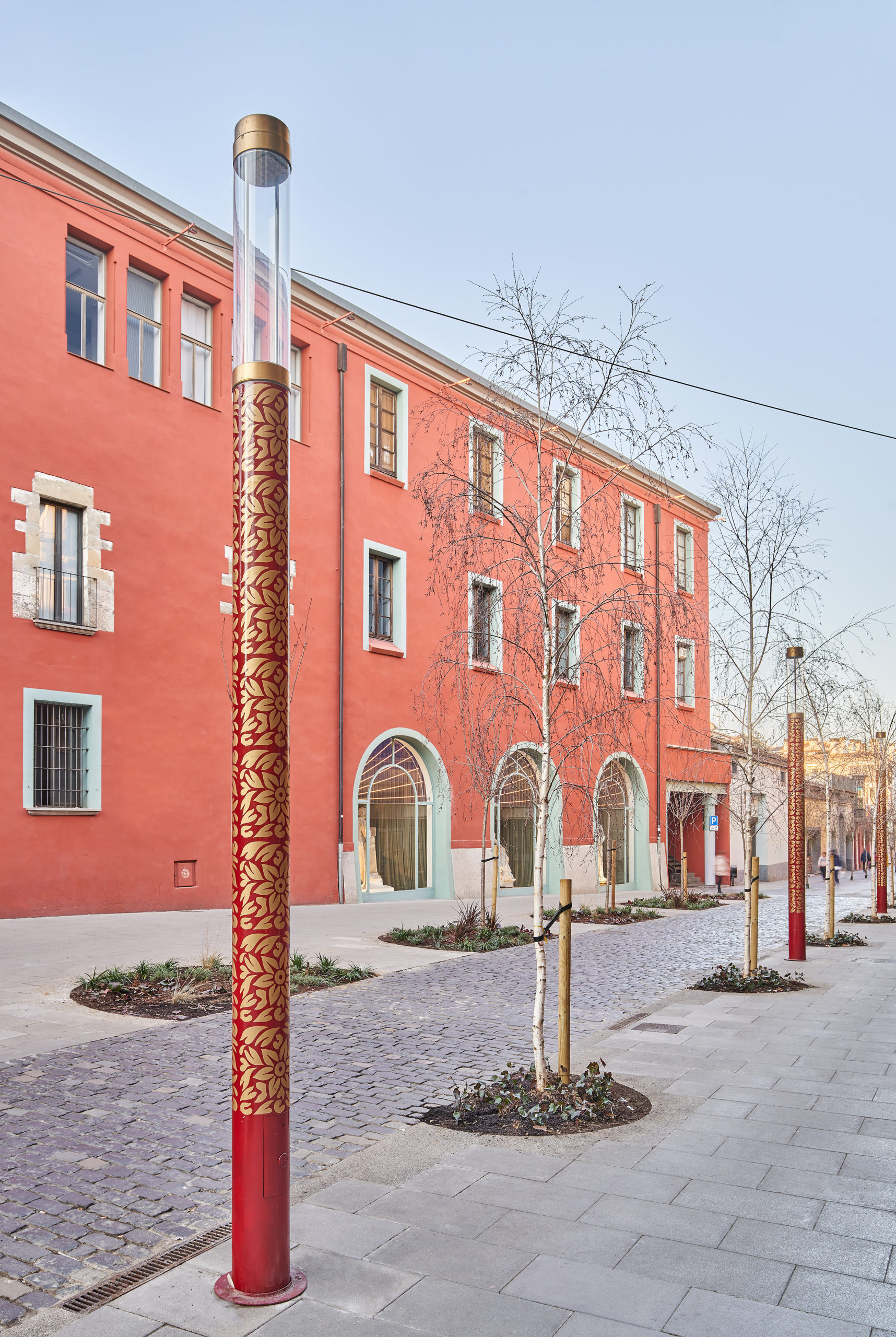
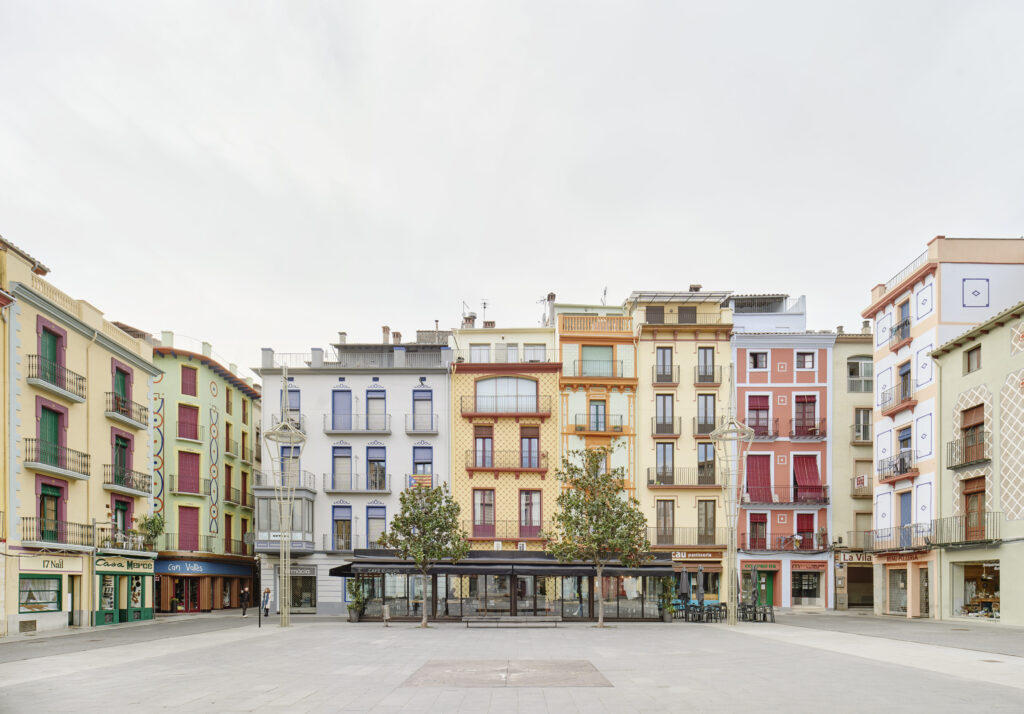
The Plaça Major of Olot is both the geographical and symbolic heart of the city. It is surrounded by four rows of buildings that were renovated between the late 19th and mid-20th centuries. These are simple houses, which take on value as a whole, due to the repetition of patterns of composition, construction and decoration, sharing similar patterns of composition, construction, and decoration. Before the intervention, most buildings had structural and constructive pathologies, with one-third of the residences standing empty and requiring significant renovations to be habitable. In this way, the square serves as a reflection about the architecture and challenges facing the city’s old quarter.
This project is part of the Pla de Places i Placetes (The Plan for Squares) of Olot’s historic center, recognizing that revitalizing public space requires the activation of its surrounding edges. In essence, the square is not just an open space but the buildings and the people who inhabit them. Thus, this project aims to regenerate this space through three key actions: highlighting heritage and strengthening the self-esteem of neighbours, rehabilitating façades to improve building conditions, and reactivating vacant homes. A preliminary diagnosis, based on data mapping and conversations with residents and shopkeepers, led to discarding a conventional urbanization project to allocate the same amount to the façades and roofs of the buildings.
Rather than a complete reurbanization, a set of agreed-upon public space repairs was carried out, including replacing broken pavement slabs and establishing an underground municipal utilities network. Meanwhile, a broader strategy was launched to fully repopulate the residential units, including a rehabilitation project, an urban improvement plan, and a program of conditional grants.
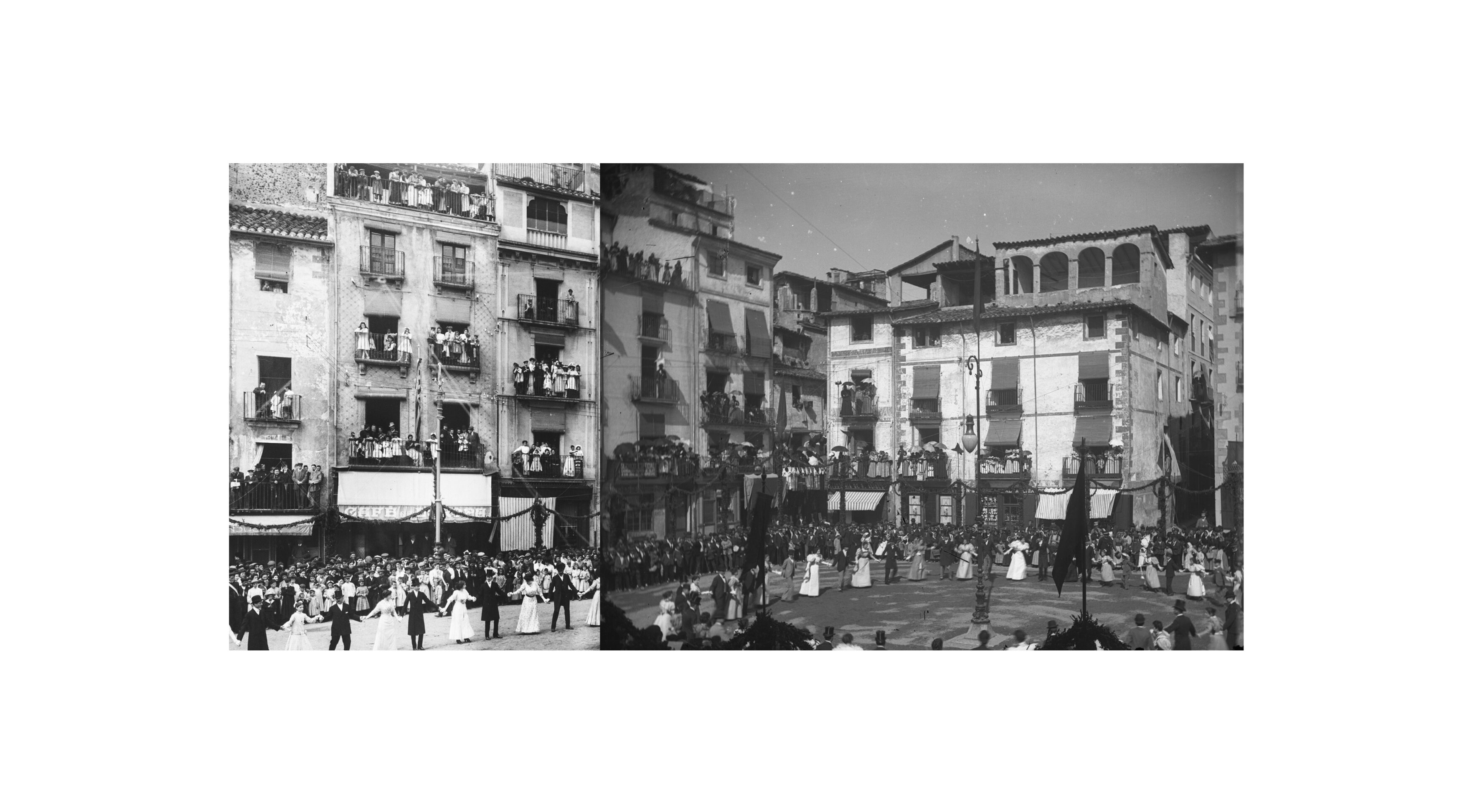
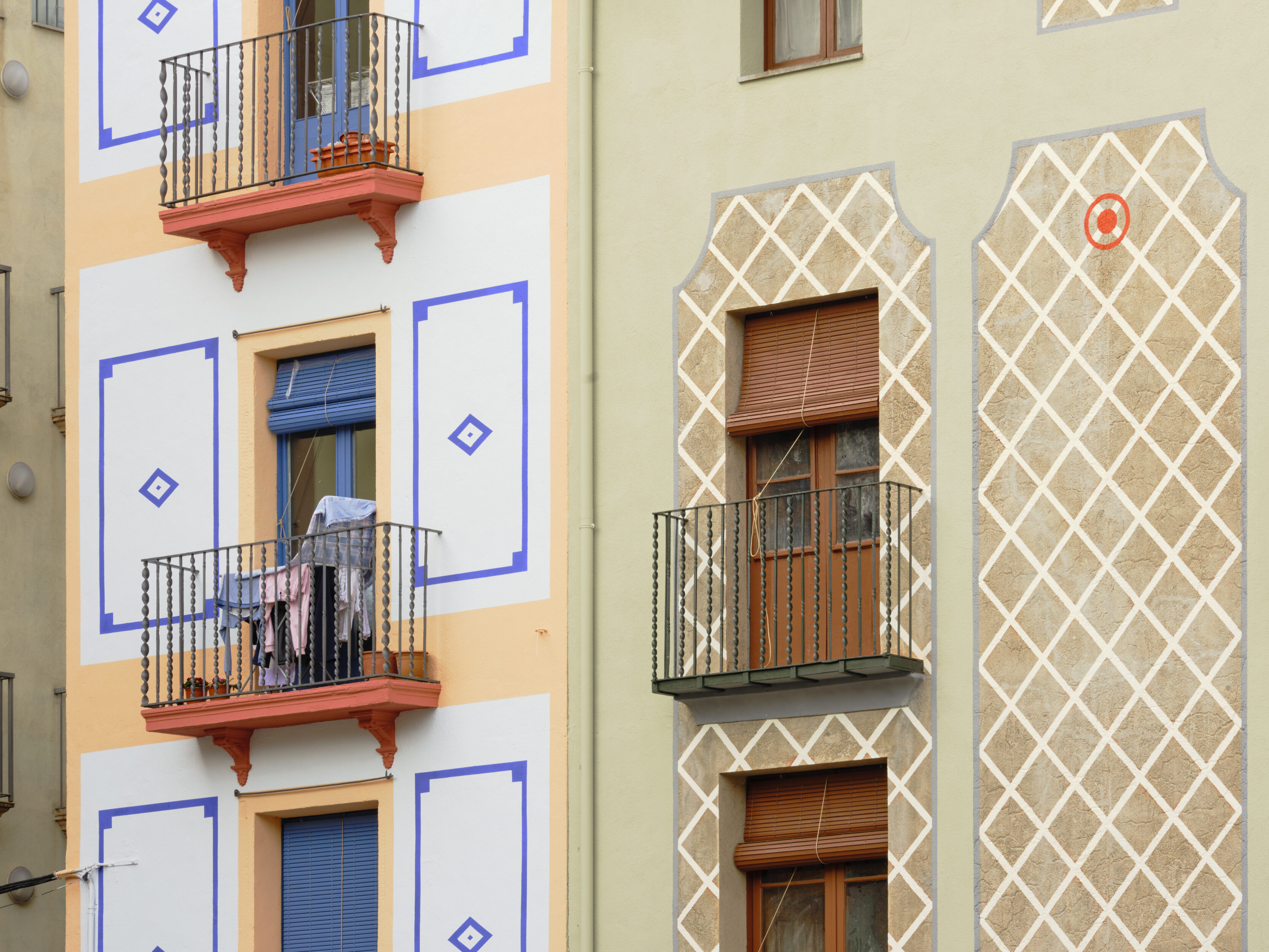
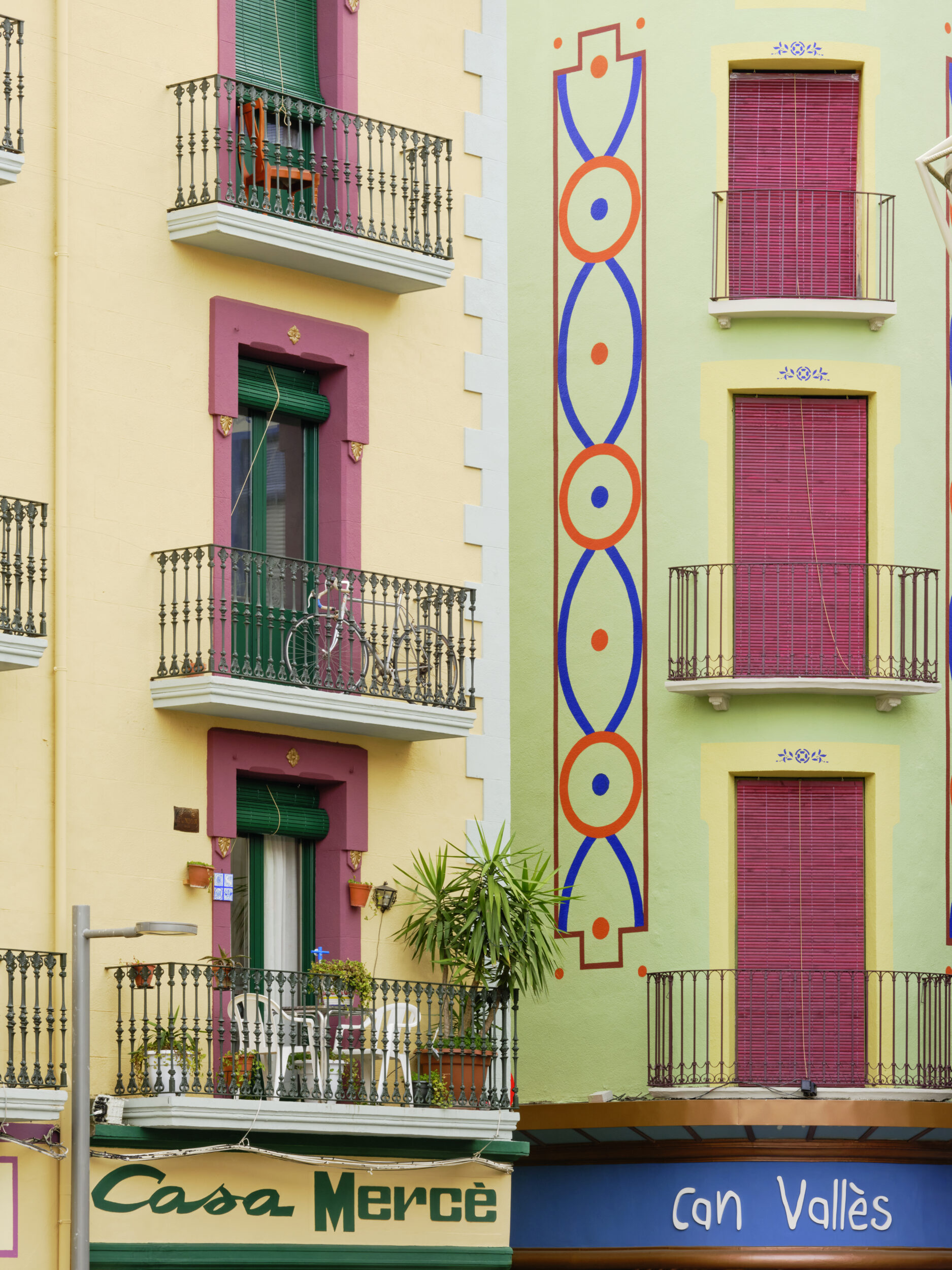
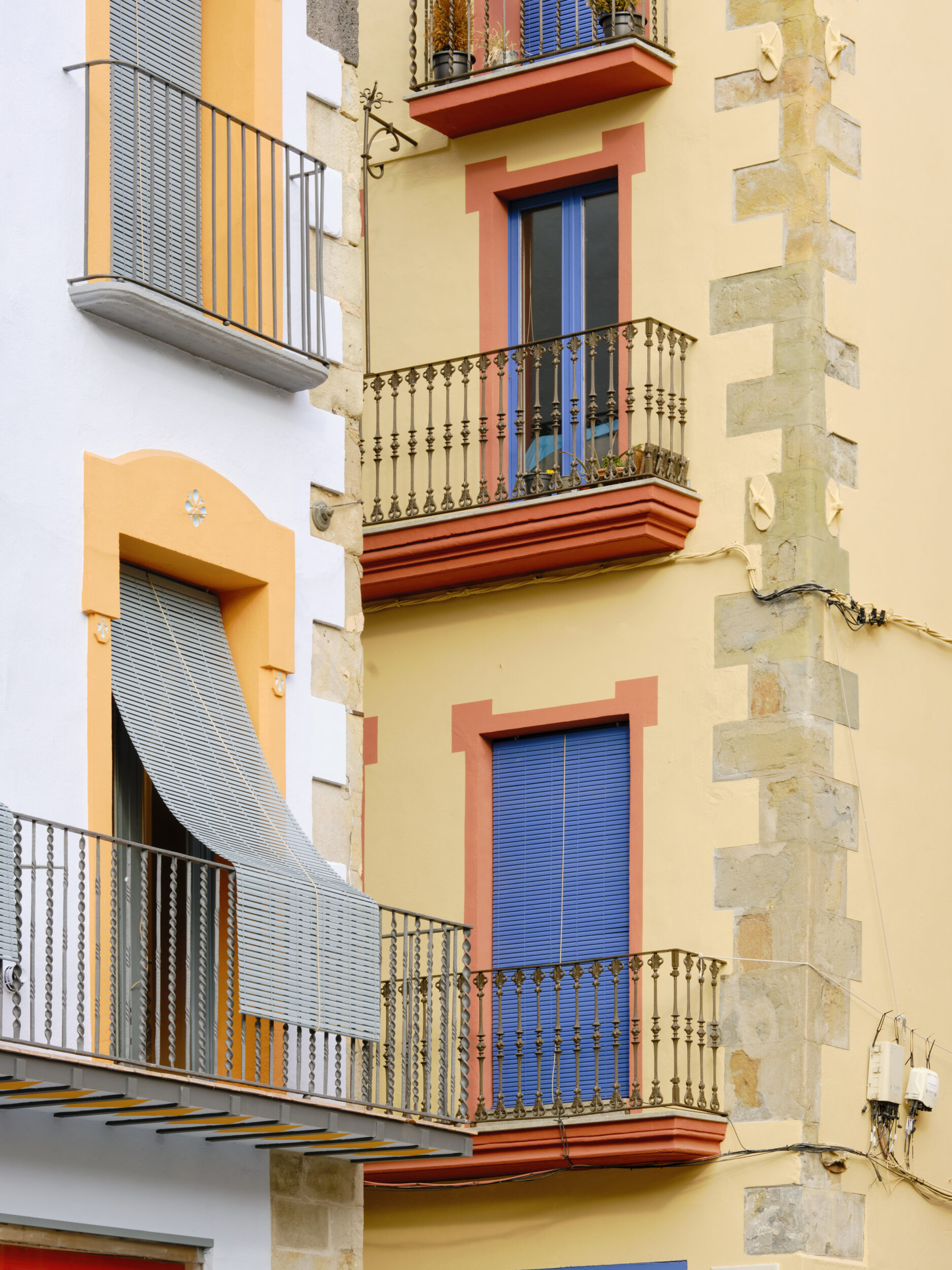
The facade rehabilitation project consists of five parts. It begins with historical research, data mapping and cross-referencing, and an assessment in collaboration with residents. It continues with a study of the pathologies of each building envelope, focusing mainly on balconies, cornices, wall cladding, and roofs, and proposes intervention guidelines, always governed by best practices in rehabilitation. These are based on the recommendations of the Pla del Color d’Olot (Olot Color Plan), the Associació Grup de Recuperació i Estudi de la Tradició Arquitectònica (Association for the Recovery and Study of Architectural Tradition), and regulations from municipalities with successful and validated architectural heritage rehabilitation policies. The third part of the project involves the removal of all inappropriate elements such as air conditioning compressors, wiring, unused antennas, etc. The fourth part is the color proposal, which is based on the local tradition of ennobling facades with paint, influenced by Olot Art School since the late 18th century and the decorators trained there. The patterns of each building are based on historical research using old photographs and paintings. The colors follow the Pla del Color d’Olot and incorporate the color scheme used by Xavier Bulbena to paint two facades in the square. Additionally, Gabinet del Color conducts stratigraphic studies and makes proposals for the two catalogued buildings: Can Casabona and the former Ràdio Puig store. The fifth part of the project focuses on commercial spaces, increasing window transparency to improve street comfort and ensuring that signage and lighting comply with regulations. Additionally, studies are being conducted on centralizing installations in each building and the feasibility of installing shared elevators.
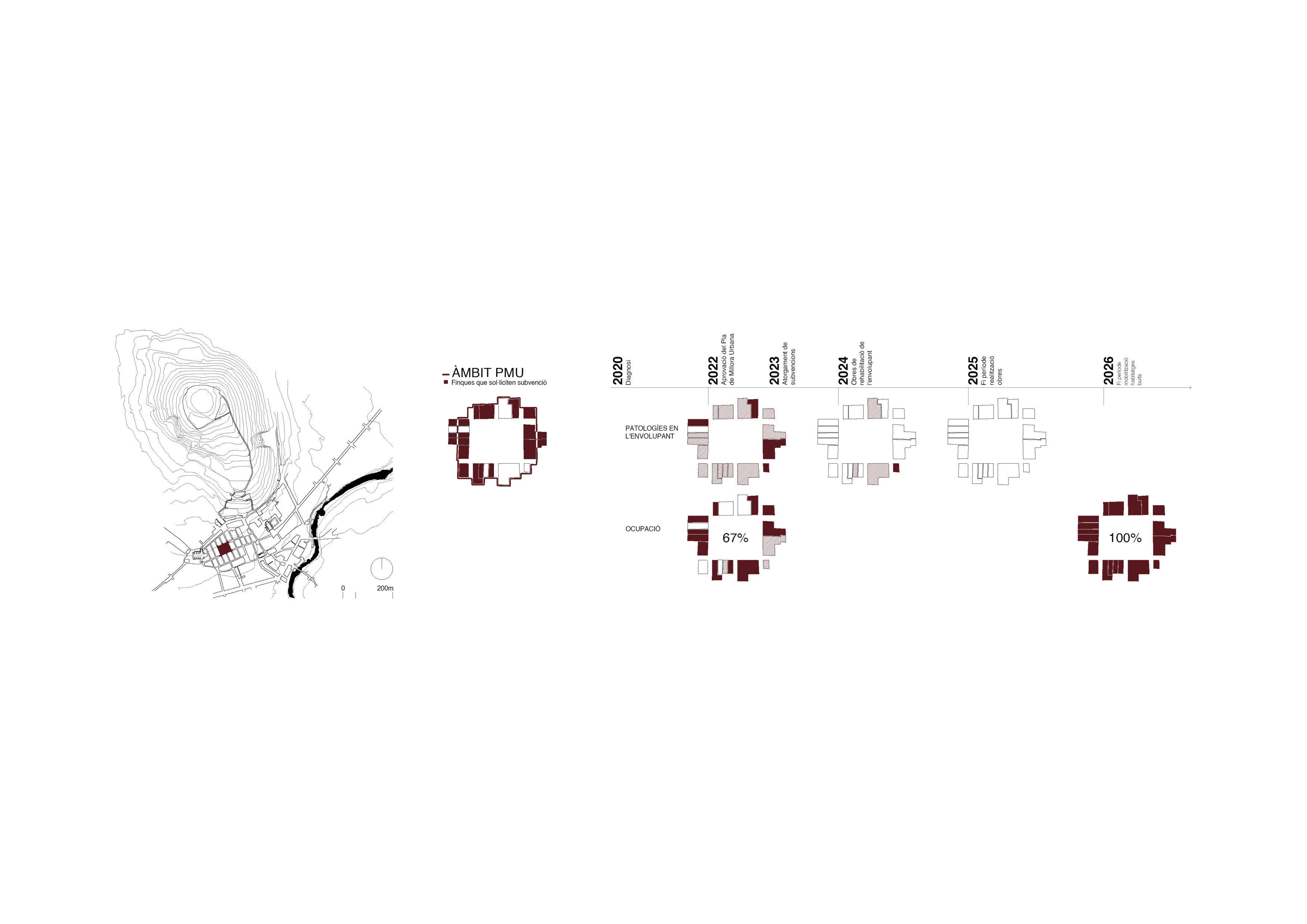
The Pla de Millora Urbana (Urban Improvement Plan) within the Plaça Major area and a program of conditional subsidies are the tools that make this operation possible. The PMU defines the scope and justifies the public interest of the investment, incorporates the rehabilitation project, and develops pilot regulations to be tested before expanding them to the entire old town. The plan’s rights and obligations establish a three-year period for property owners to complete the renovations. Following this, the City Council allocates the budget initially reserved for urbanizing the space to a grant covering 90% of rehabilitation costs, which 15 out of 19 properties opted for. In return, accepting the subsidy requires property owners to renovate and place the vacant homes on the market within a four-year period.
Thus, the facade rehabilitation and color treatment project is the visible part of a process that should culminate in the reactivation of 25 housing units. Meanwhile, this process has led to the creation of a working group bringing together residents and shopkeepers, committed to organizing events that strengthen community ties and reinforce the square’s central role.
Situation
Plaça Major. Nucli antic. 17800 Olot
42.182593, 2.489781
Coauthors
Clàudia Calvet, architect
Pep de Solà-Morales, urban architect
Quim Domene, visual artist
Team
Xevi Rodeja, Sergi Reyes
Building Engineer
Jesús Bassols
Colaborator
Gabinet del Color, stratigraphies and chromatic studies BCILS
Blázquez Guanter, structural consultancy
Neighbors and merchants of the square
Old Town neighborhood council
Technical services of the Olot City Council
Consorci d’Acció Social de la Garrotxa
Local employment plan
Garrotxa Activa
Finques gestió patrimonial
Promoter
Olot town hall, Owners of the square
Constructor
Garrotxa Serveis, Art Pairó
Images
José Hevia (exteriors), Roger Serrat-Calvó (interiors)
Video
Un Parell d’Arquitectes
Surface
5.710 m² of facade
Project and construction dates
2020 – 2022 / 01.2024 – 12.2024
Awards
2025. Awarded Casa de la Arquitectura 2025. Public Action
2025. Finalist European Awards AHI (Architectural Heritage Intervention)
2025. Selected Architectural Awards of the Counties of Girona
2025. Selected Architecture Awards 2025 by CSCAE
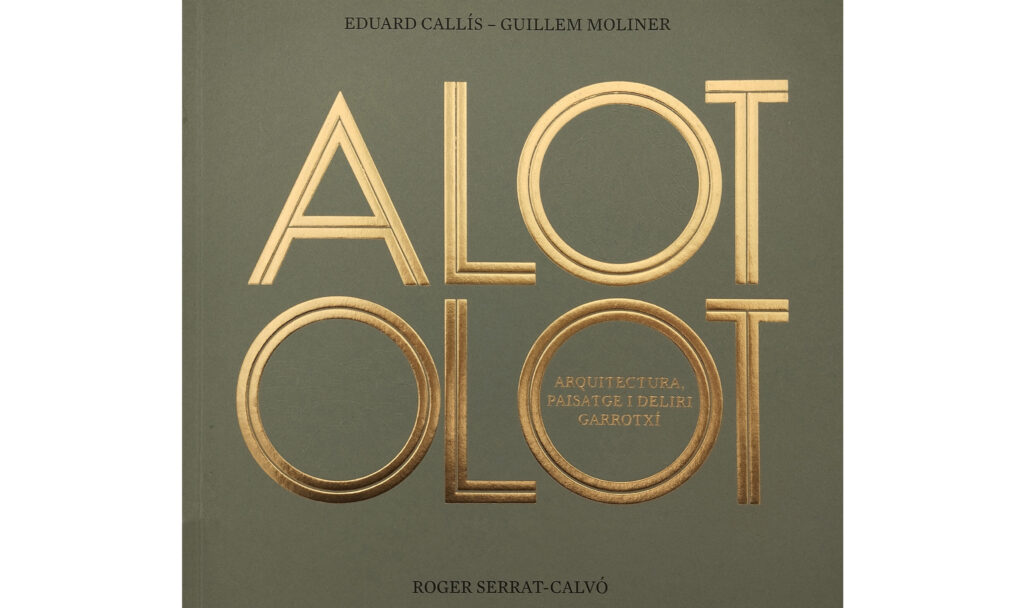
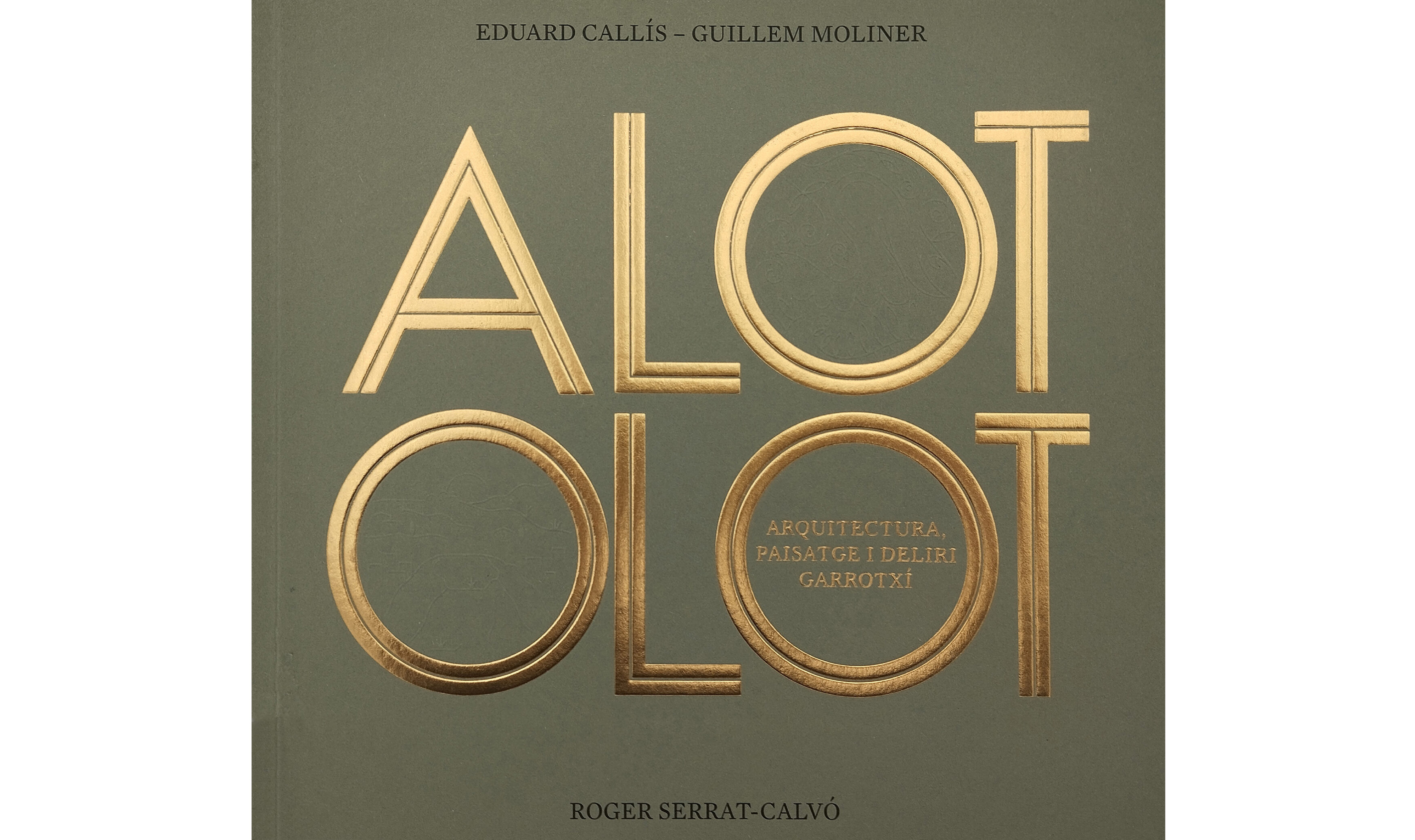
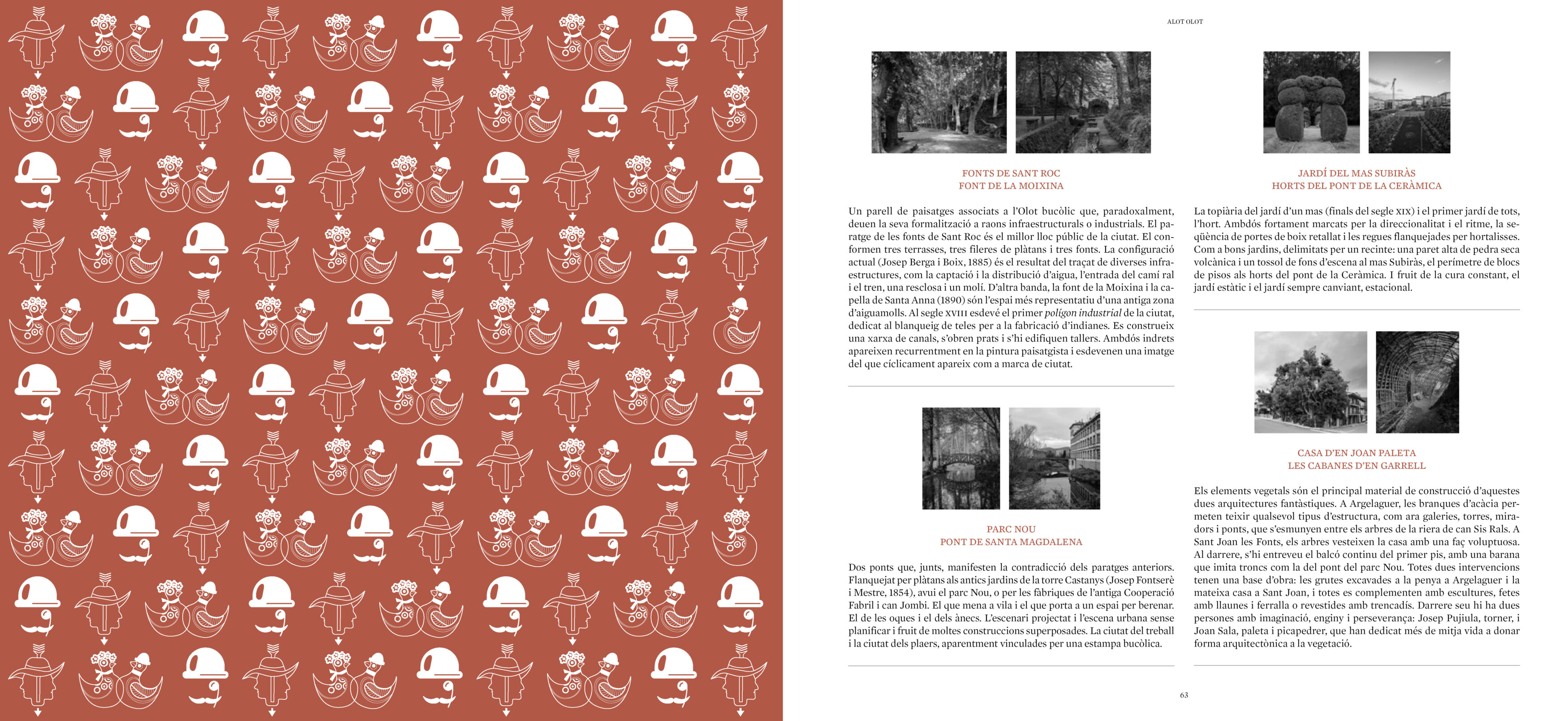
Alot Olot: Arquitectura, paisatge i deliri garrotxí.
Research, book and exhibition. Olot, 2024
With Roger Serrat-Calvó
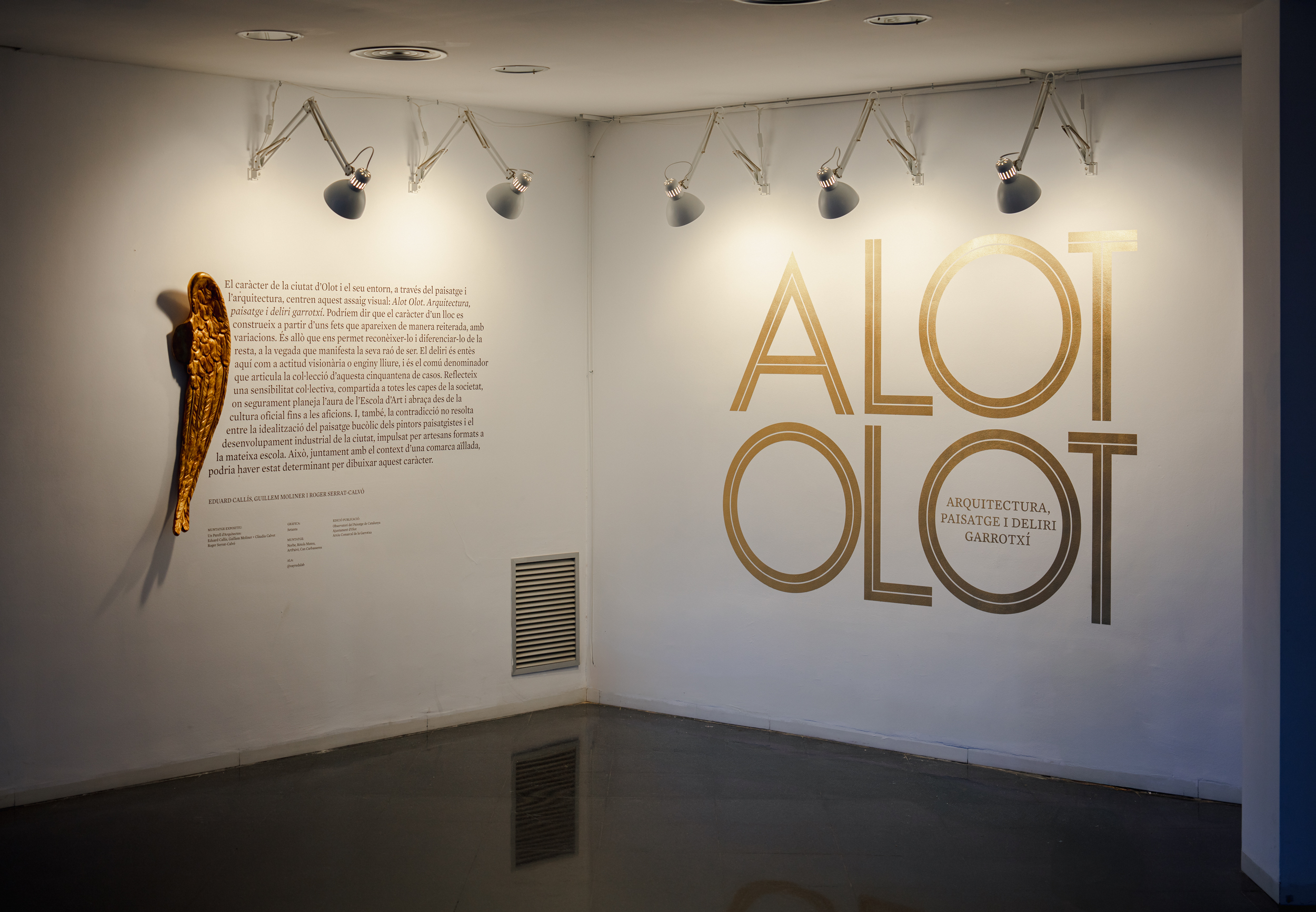
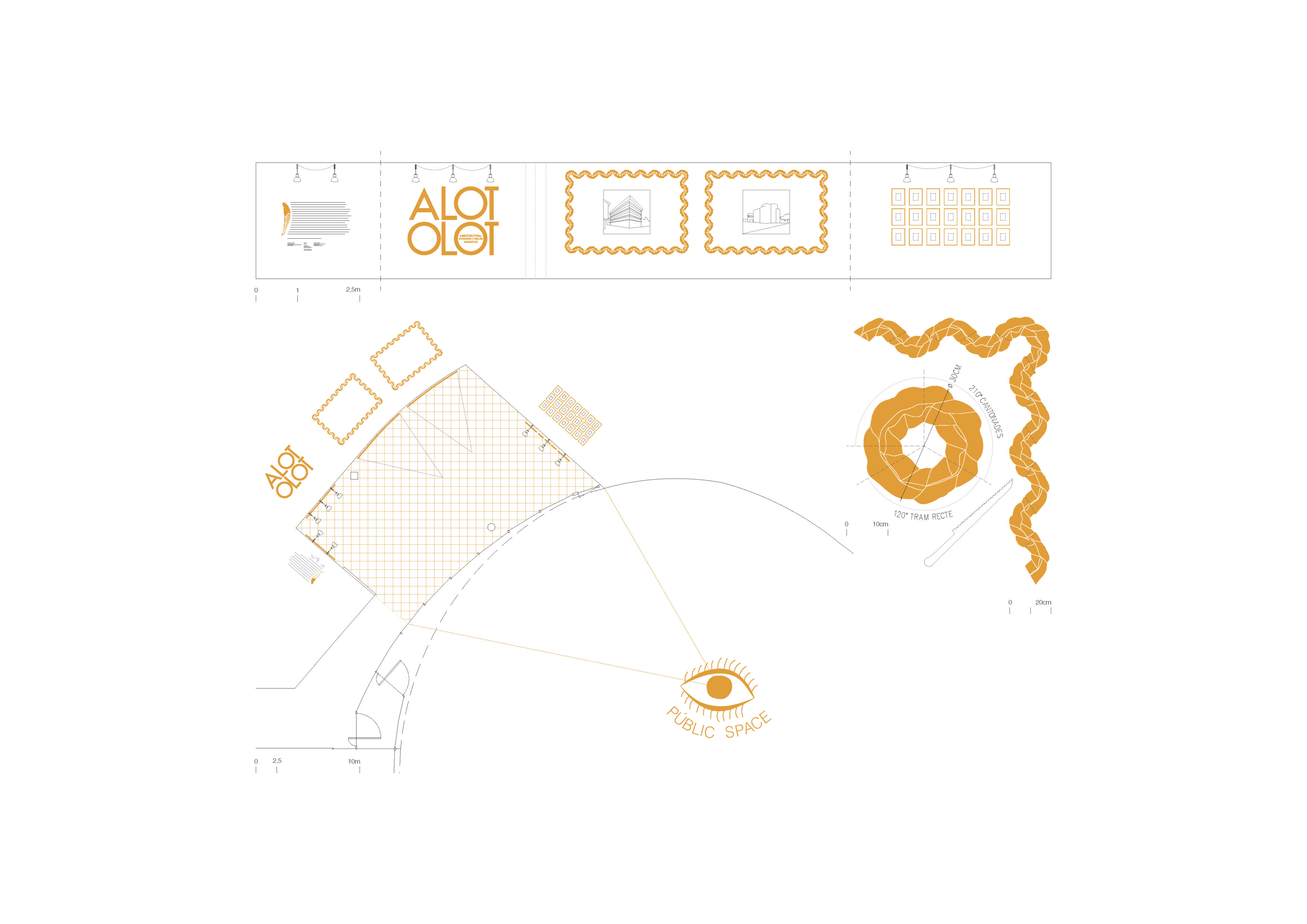
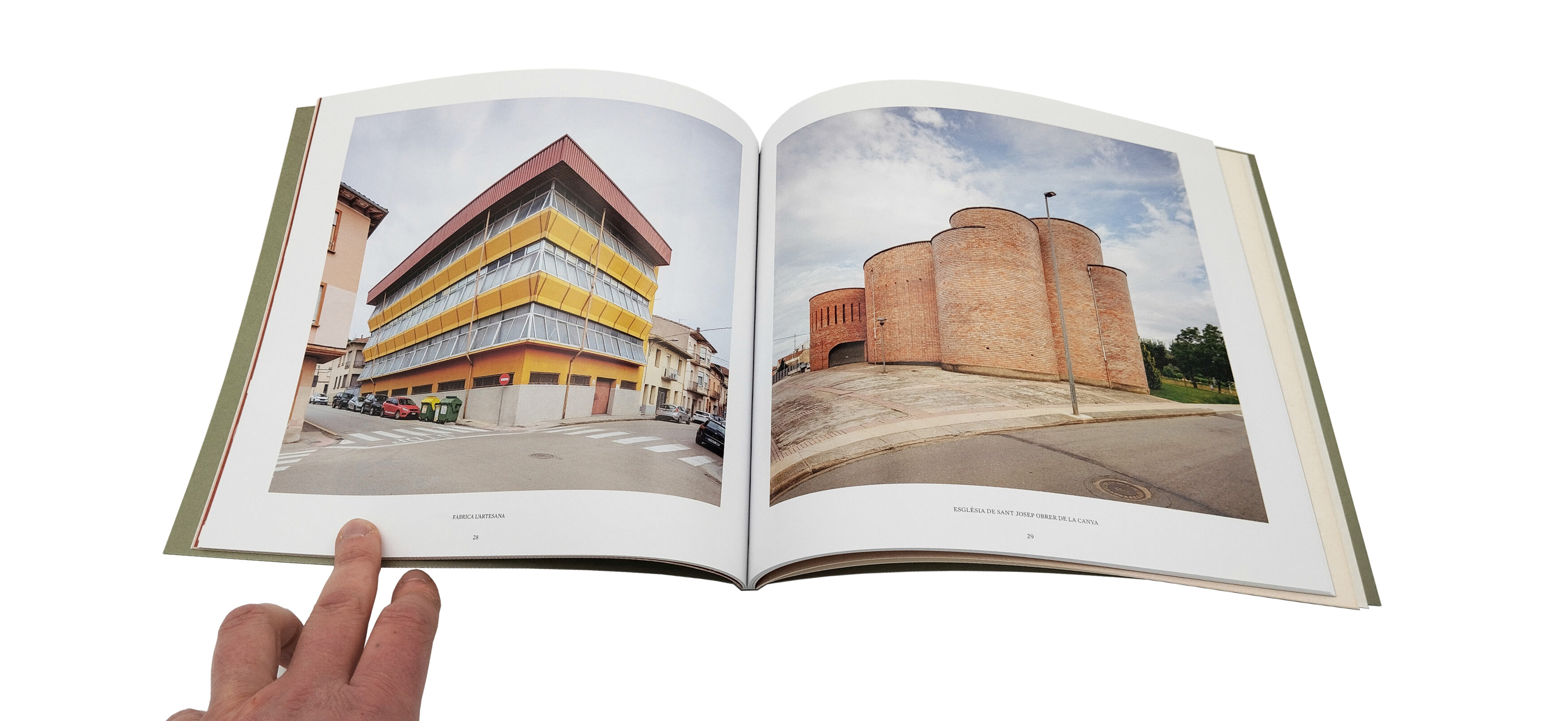
The character of the city of Olot and its surroundings, through landscape and architecture, is the focus of the visual essay Alot Olot. It reflects a collective sensitivity, shared across all layers of society, where the aura of the School of Art can surely be glimpsed. It also highlights the unresolved contradiction between the idealization of the bucolic landscape by landscape painters and the city’s industrial development, driven by artisans trained at the same school.
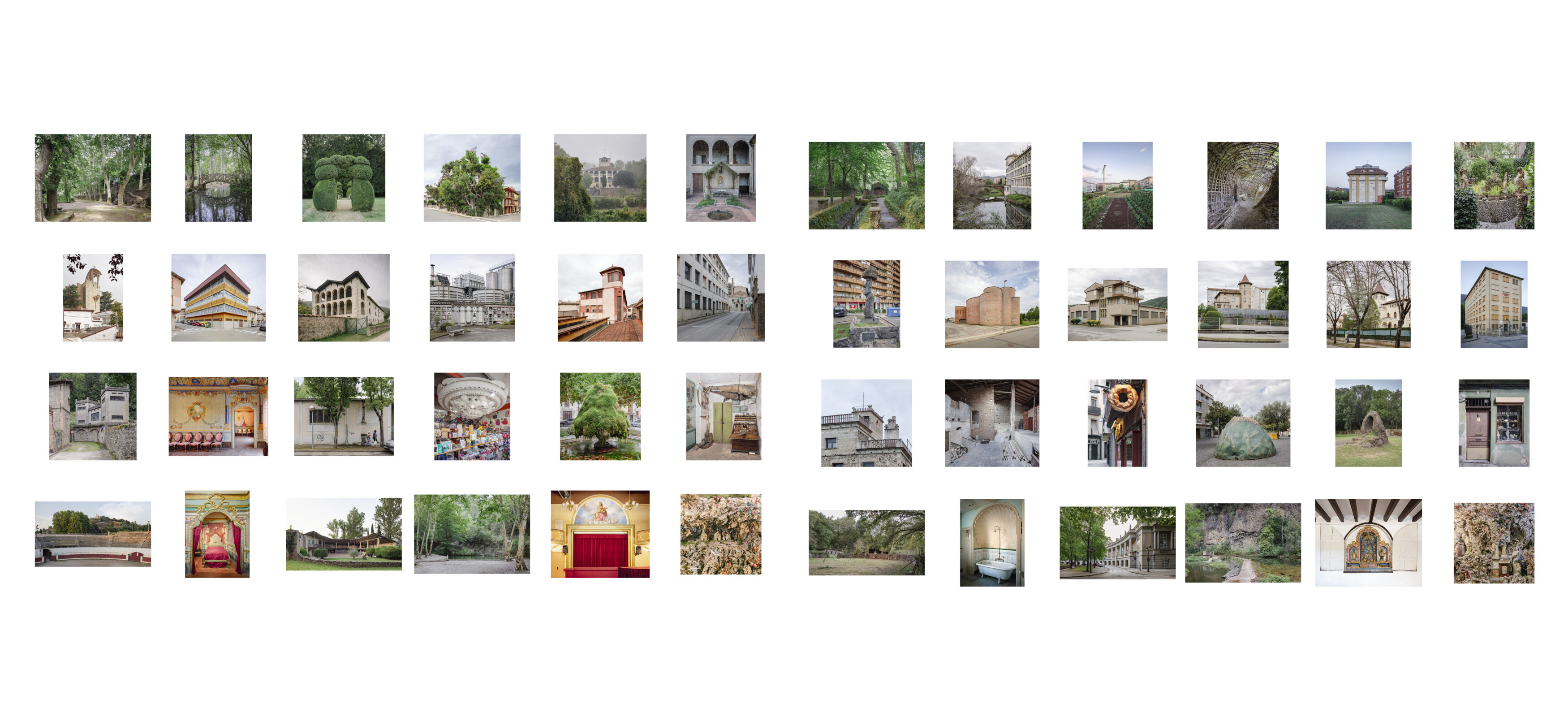
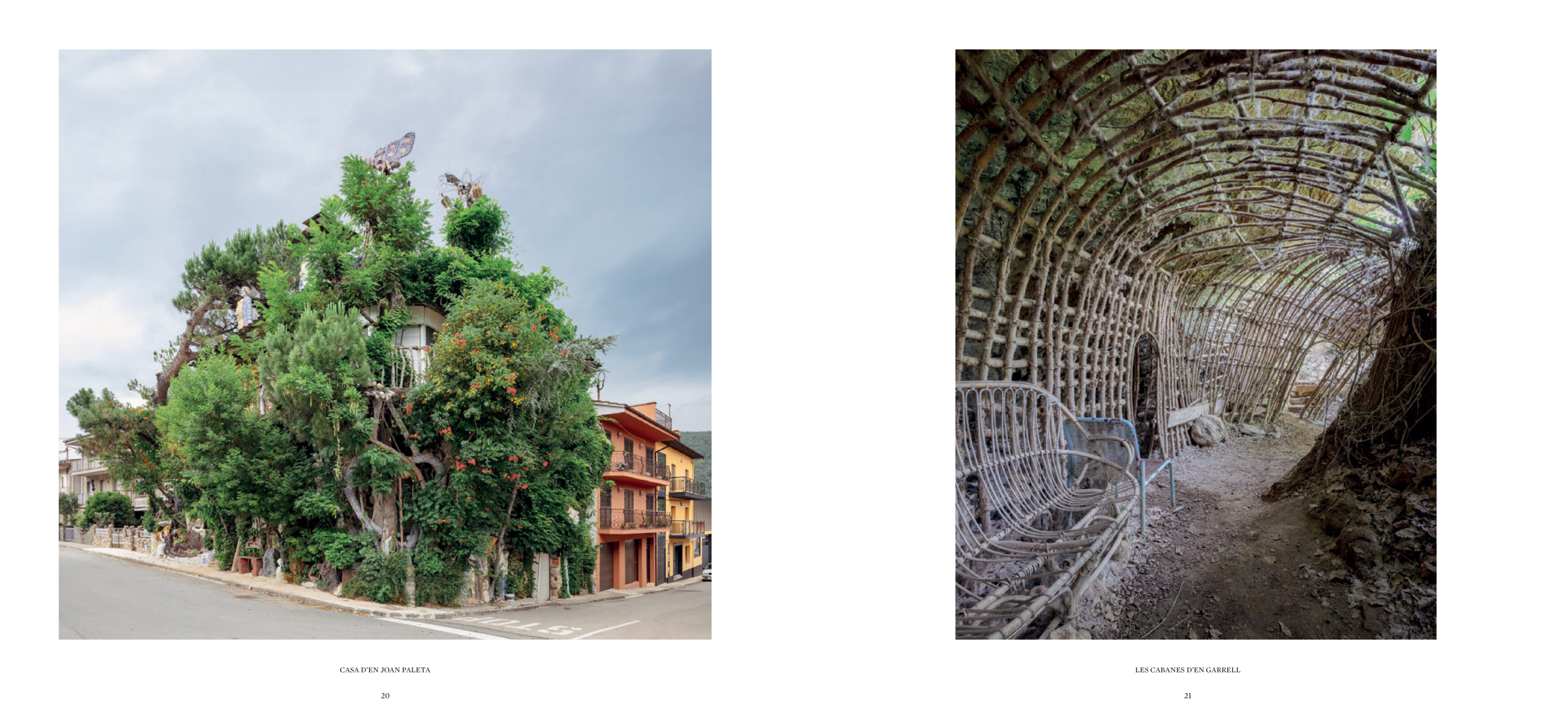
The selection and juxtaposition of around fifty cases is the main purpose of the publication, which includes furniture, signs, rooms, buildings, facades, streets, gardens, and landscapes. Few cases would be of enough interest on their own; however, when grouped together, they take on meaning. This approach shapes the layout of the book, with two images per double page, where each pair complements the comparison of the previous two and anticipates the next.
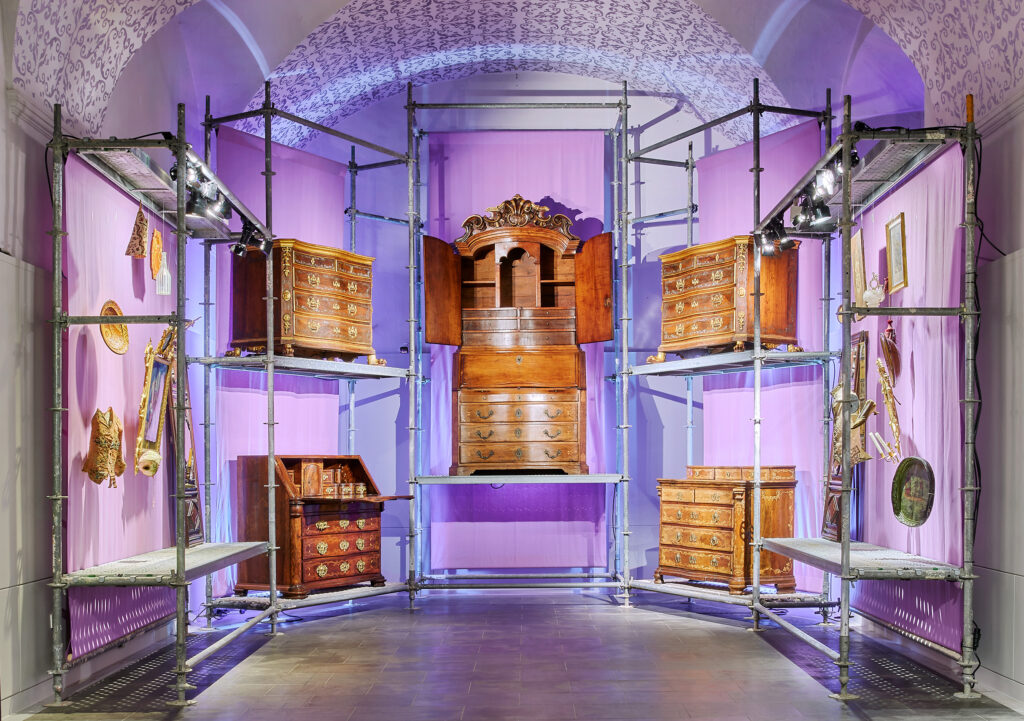
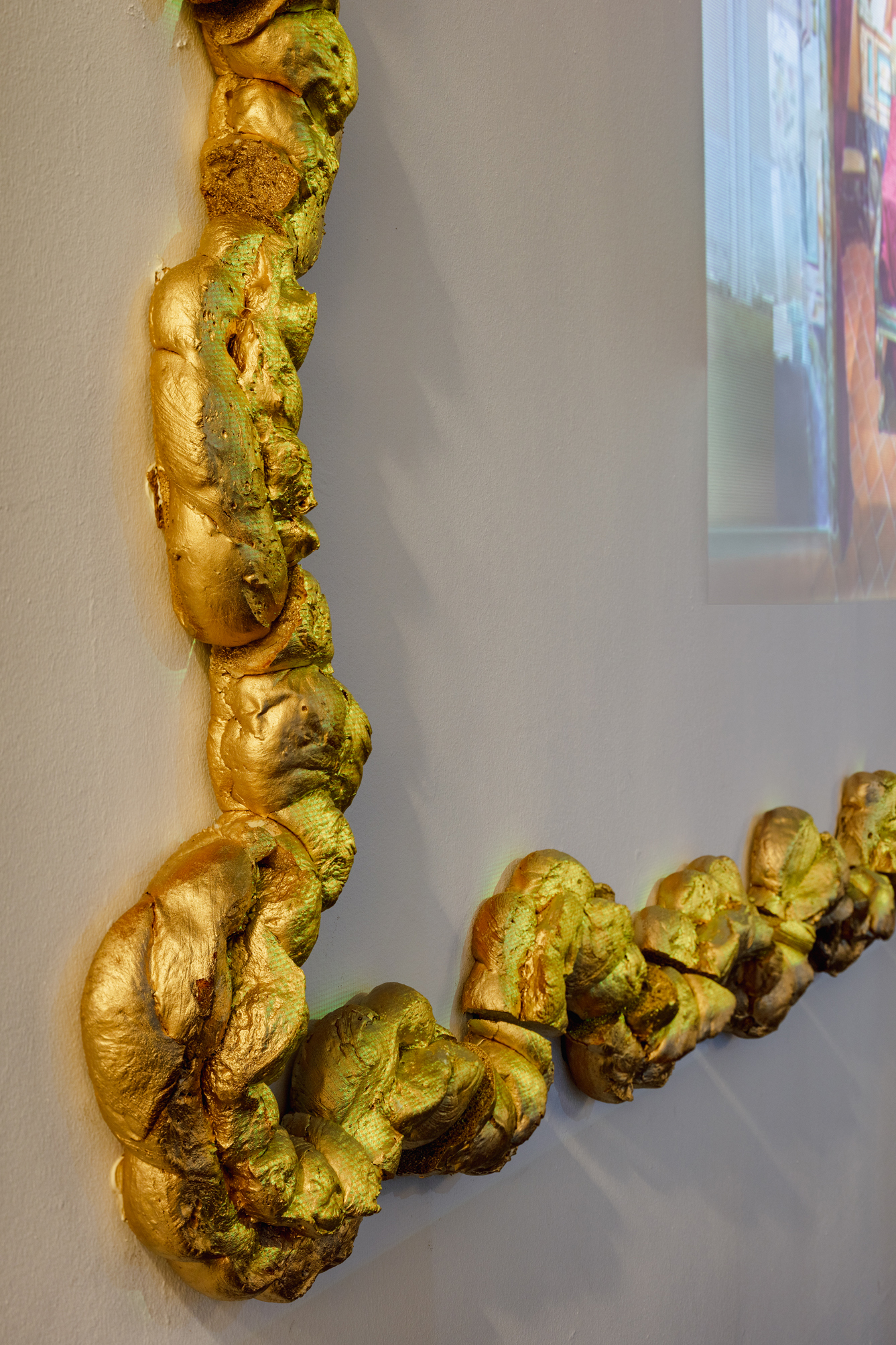
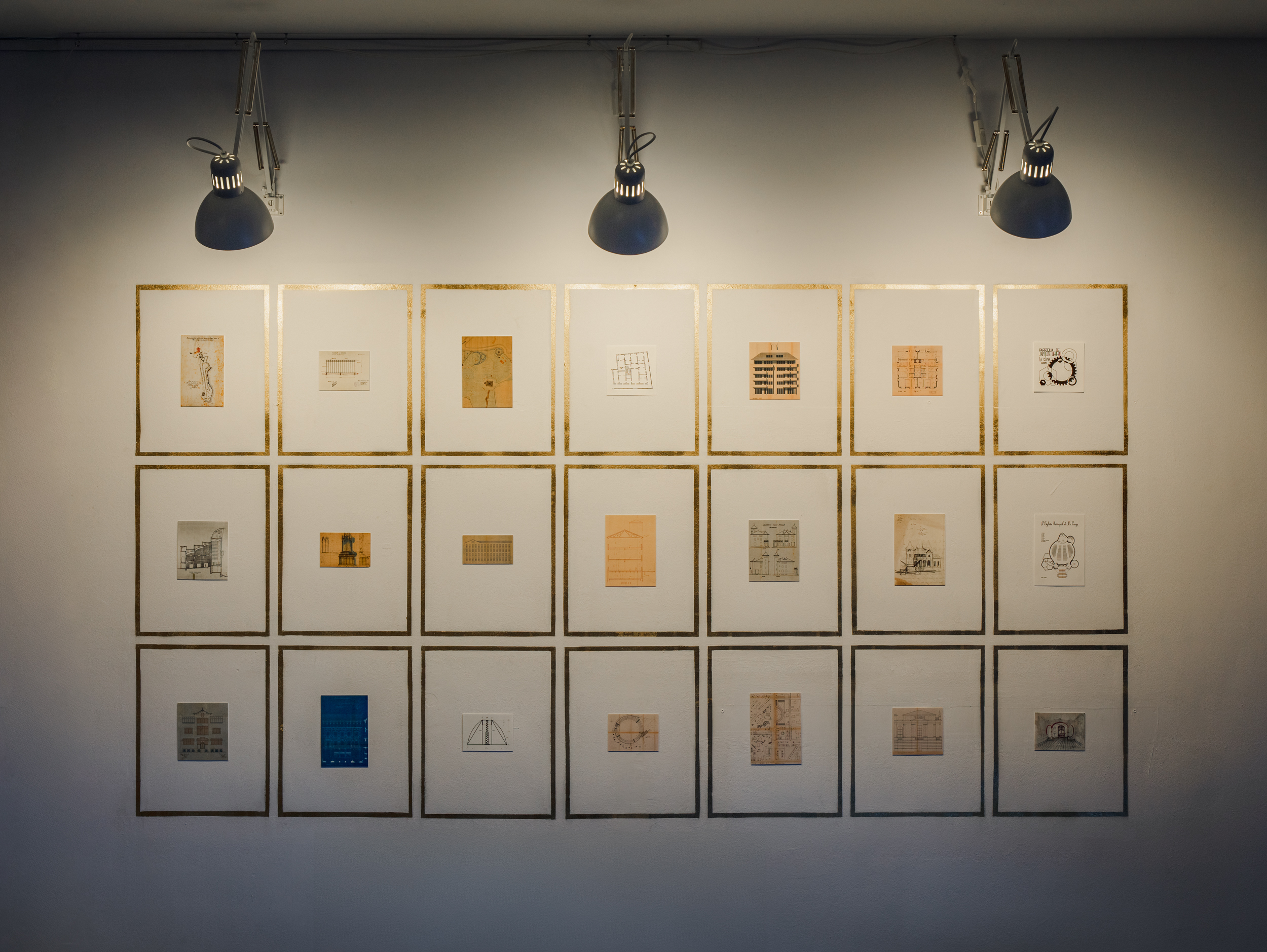
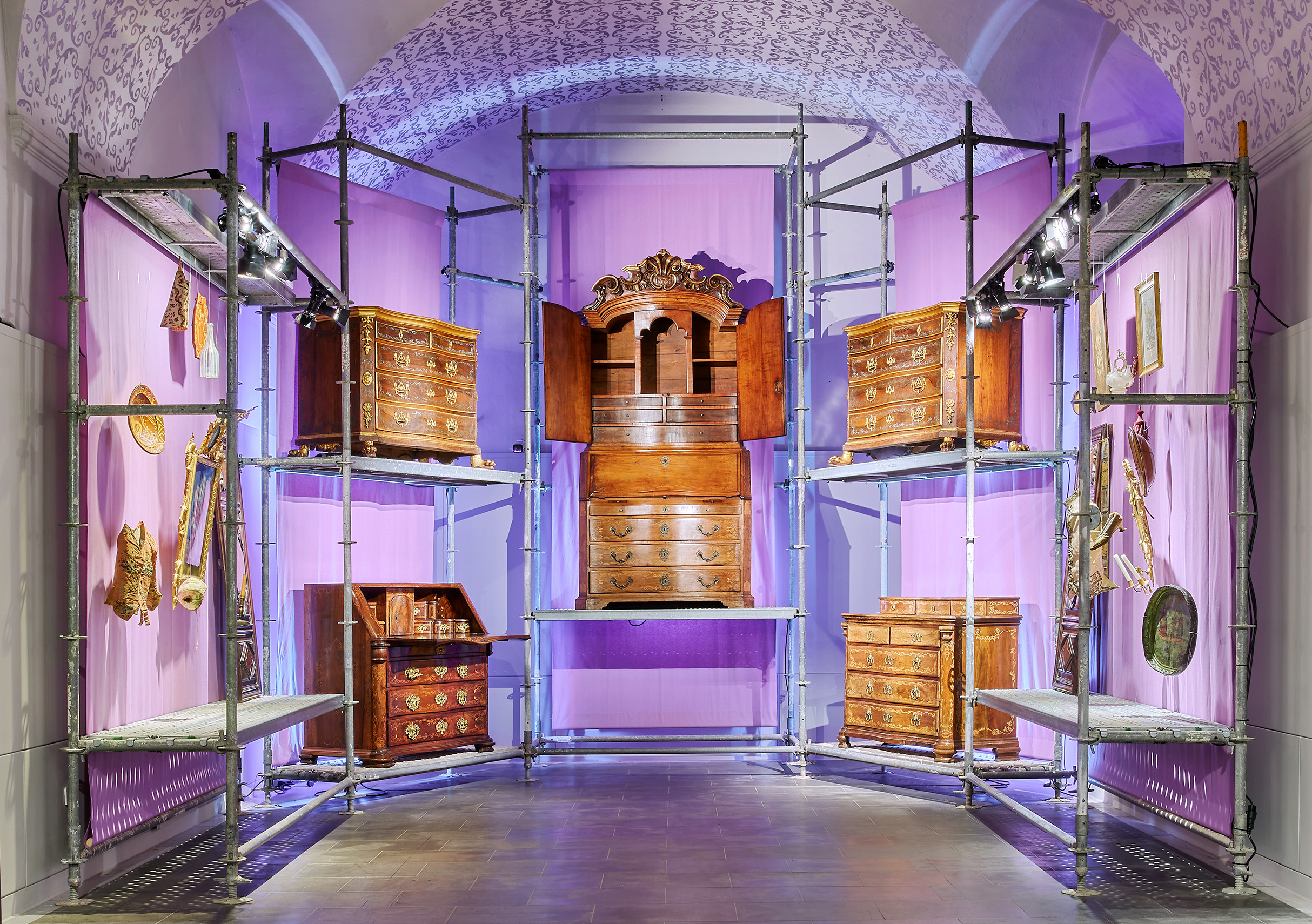
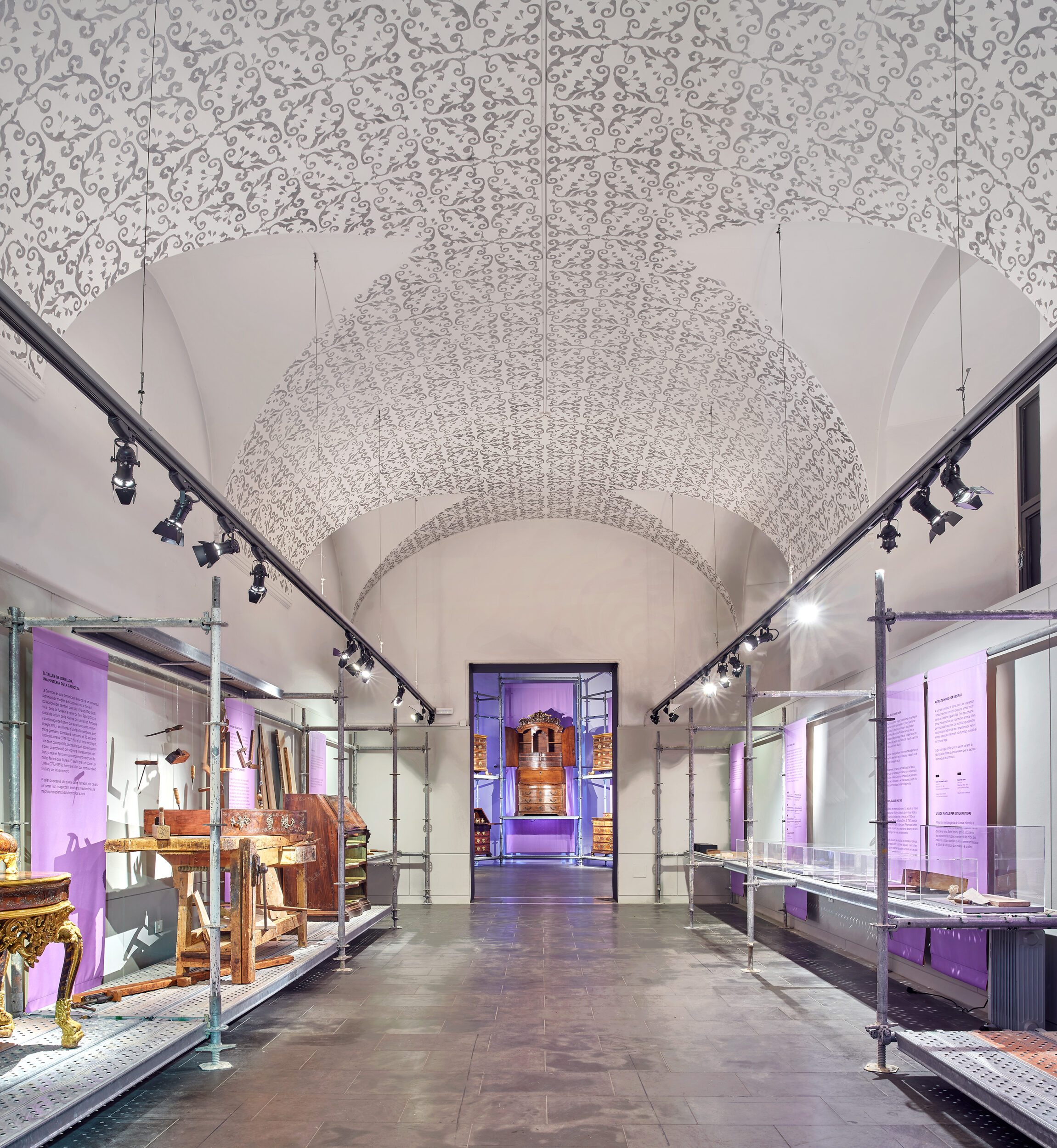
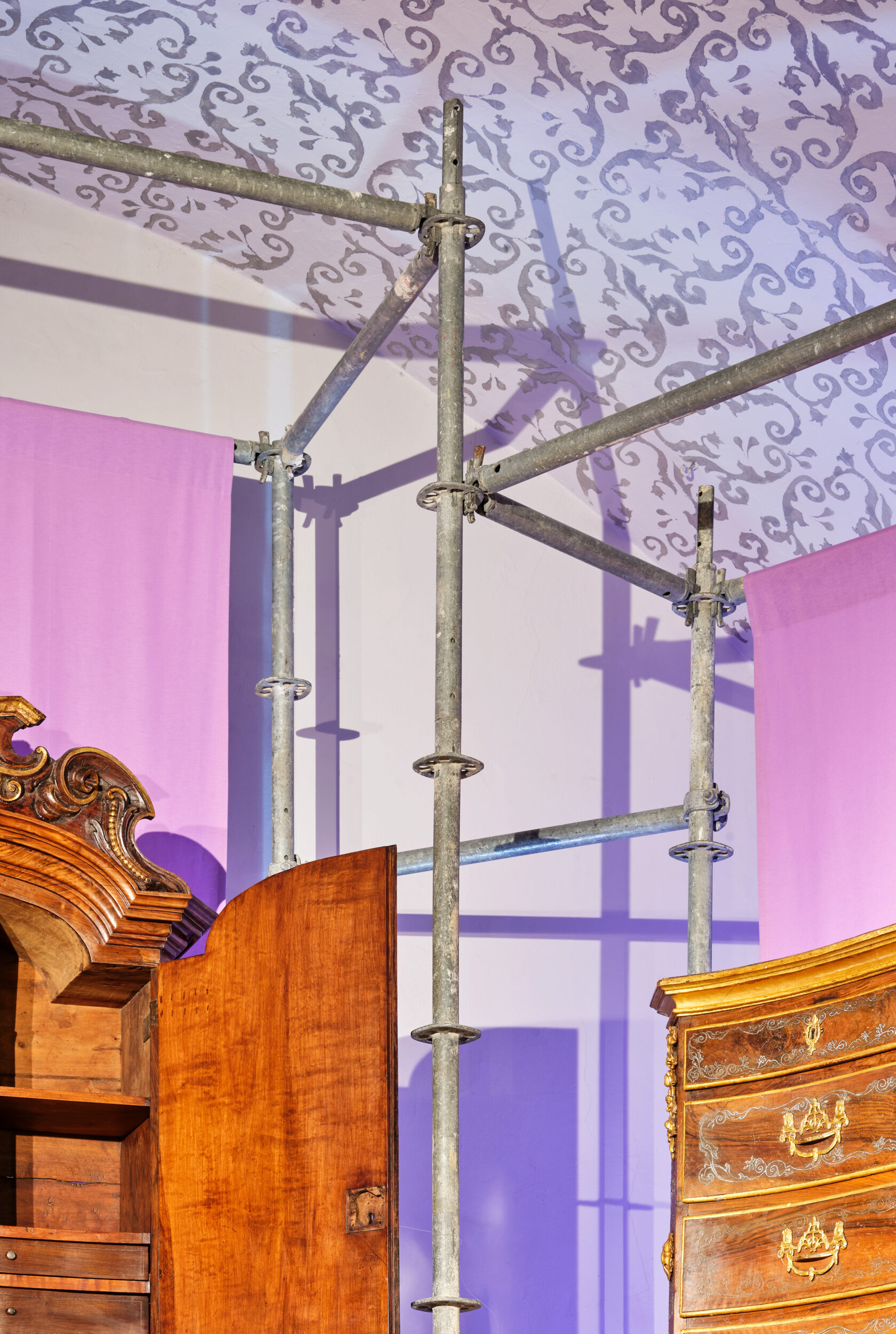
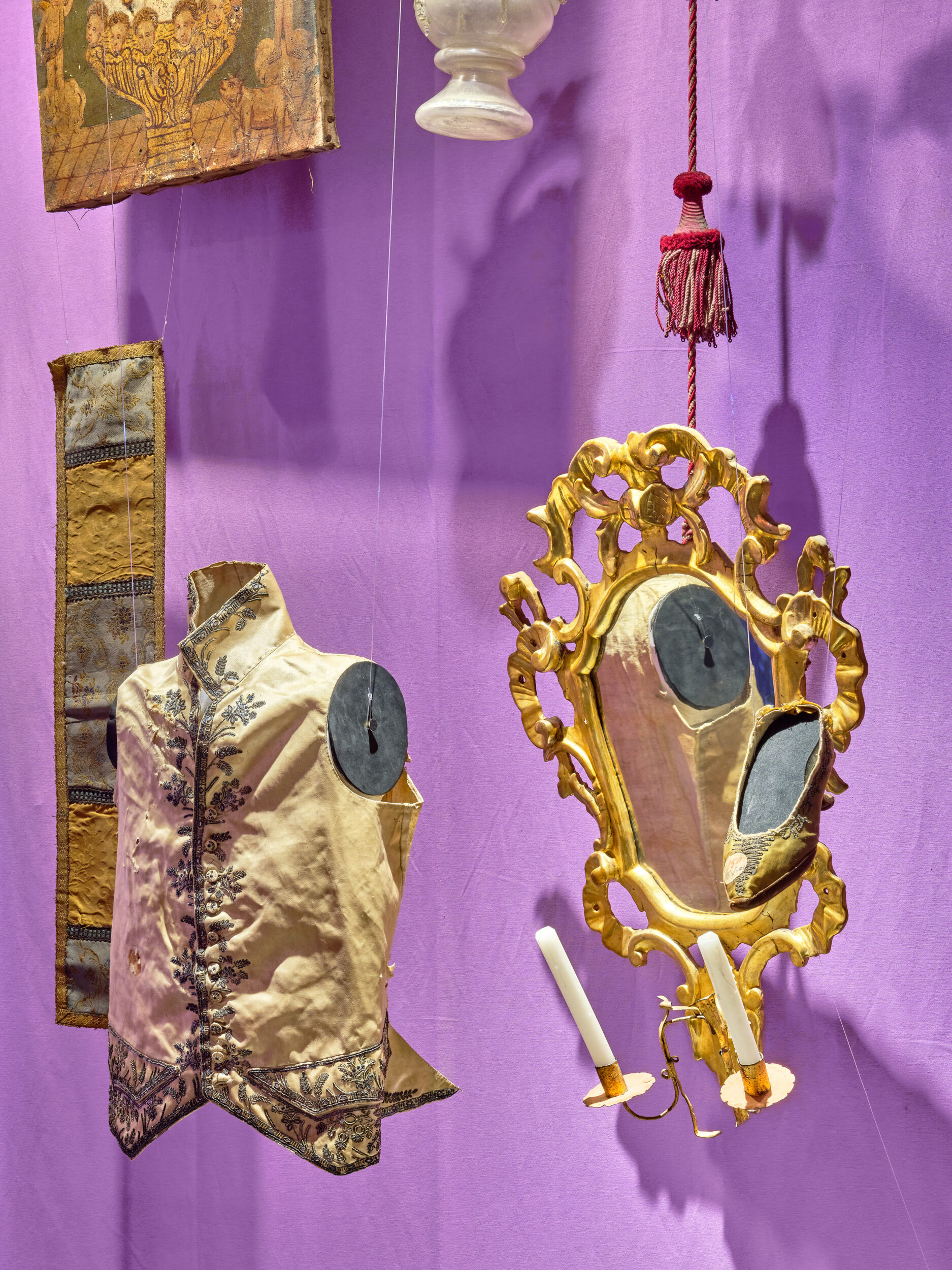
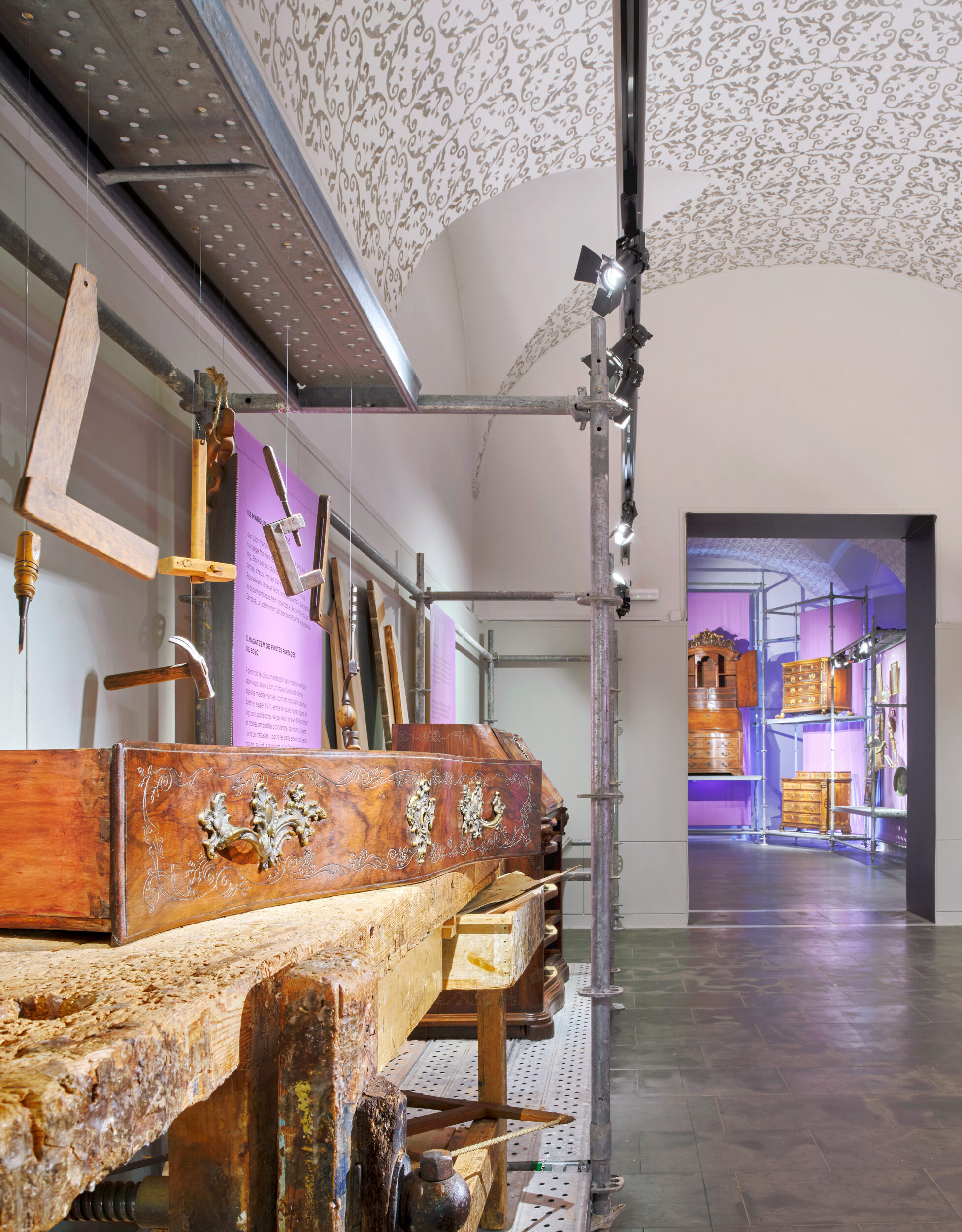
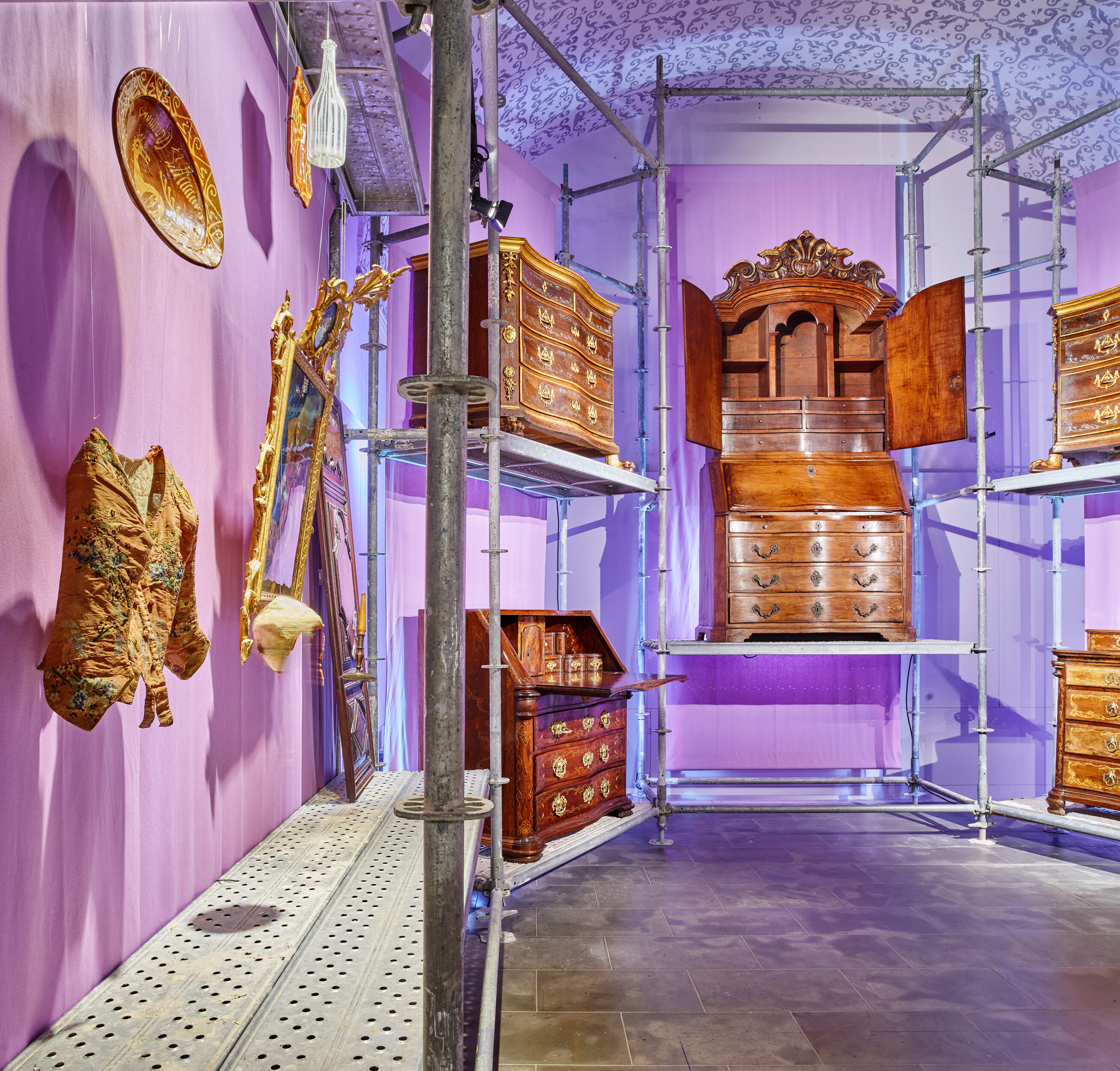
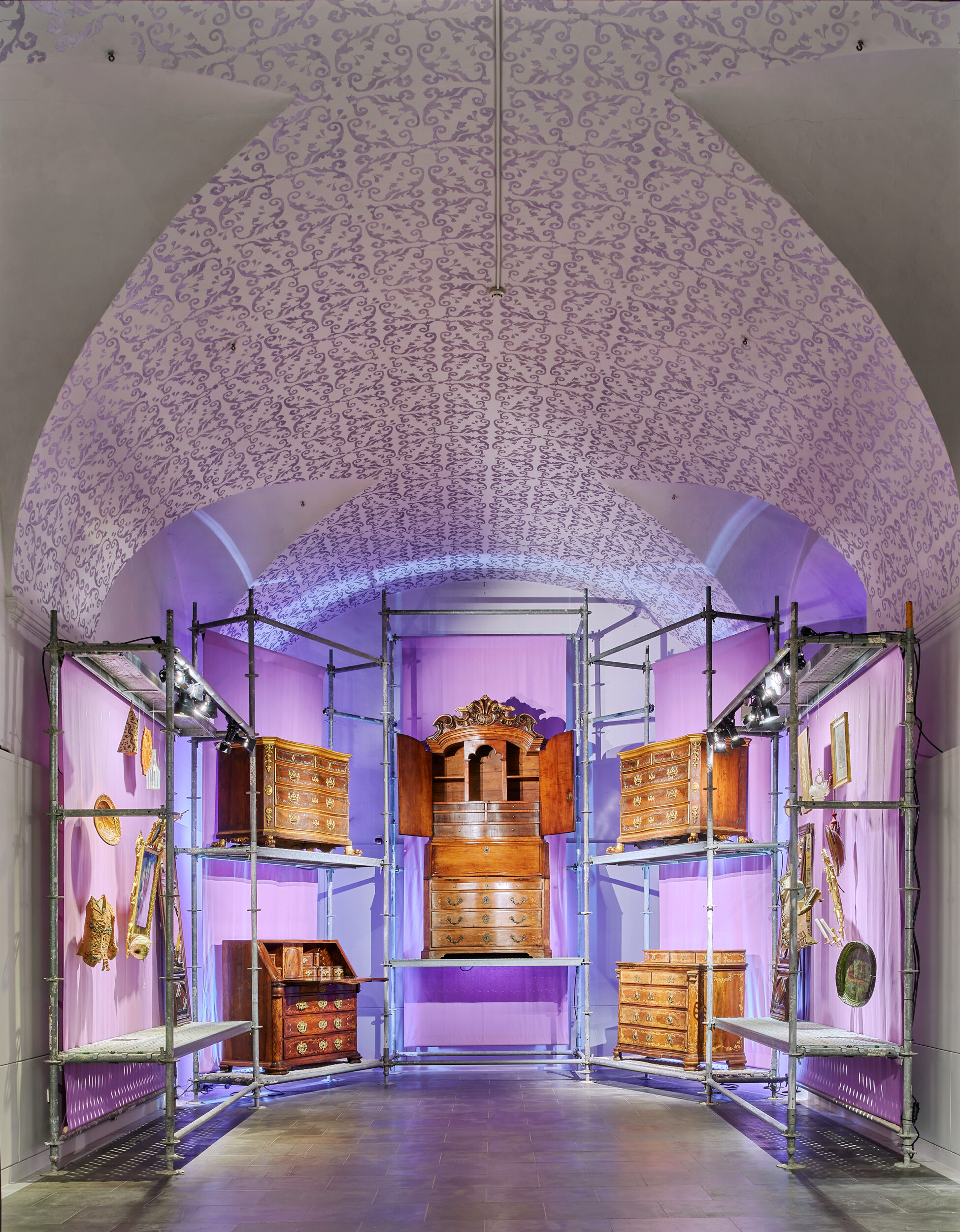
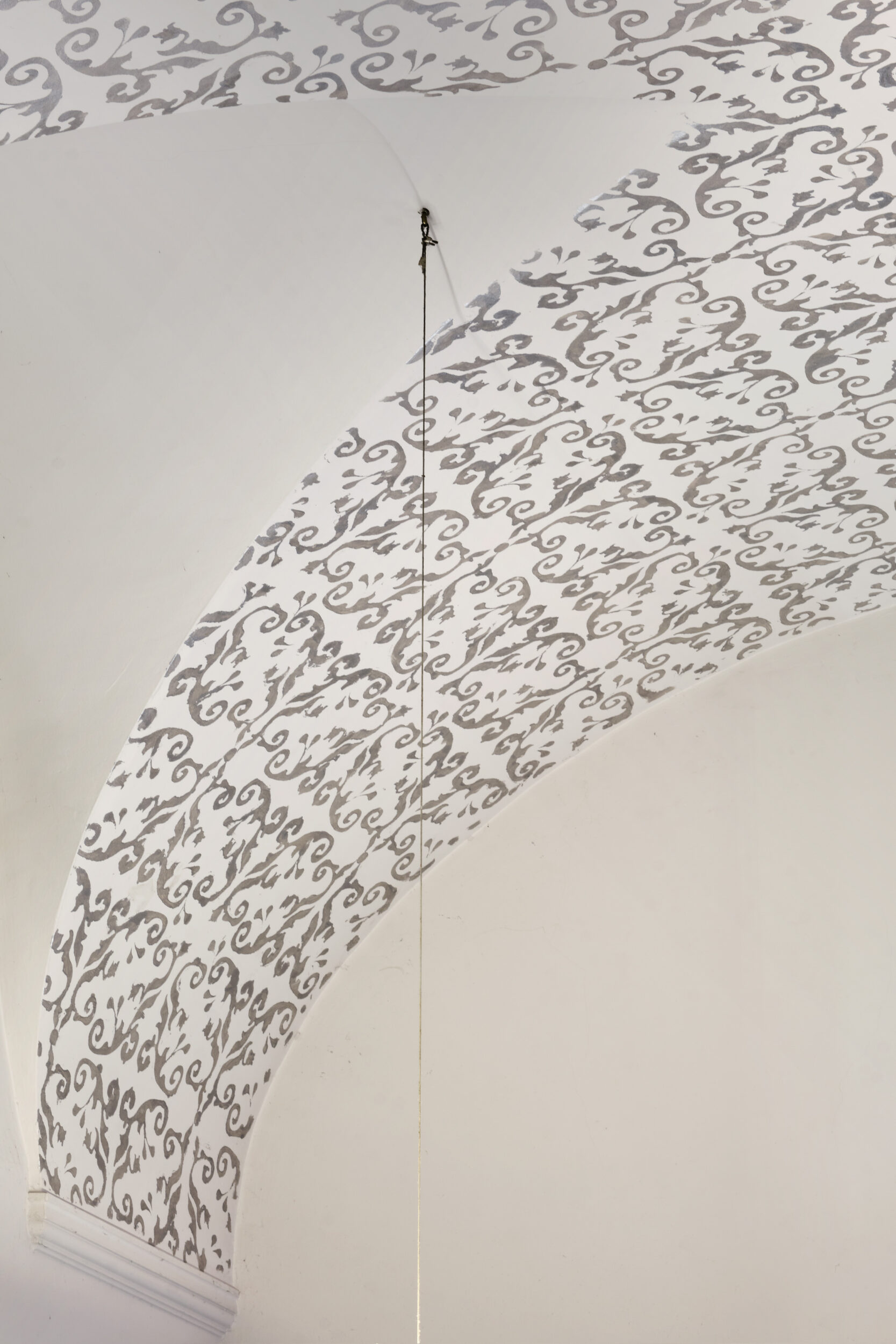
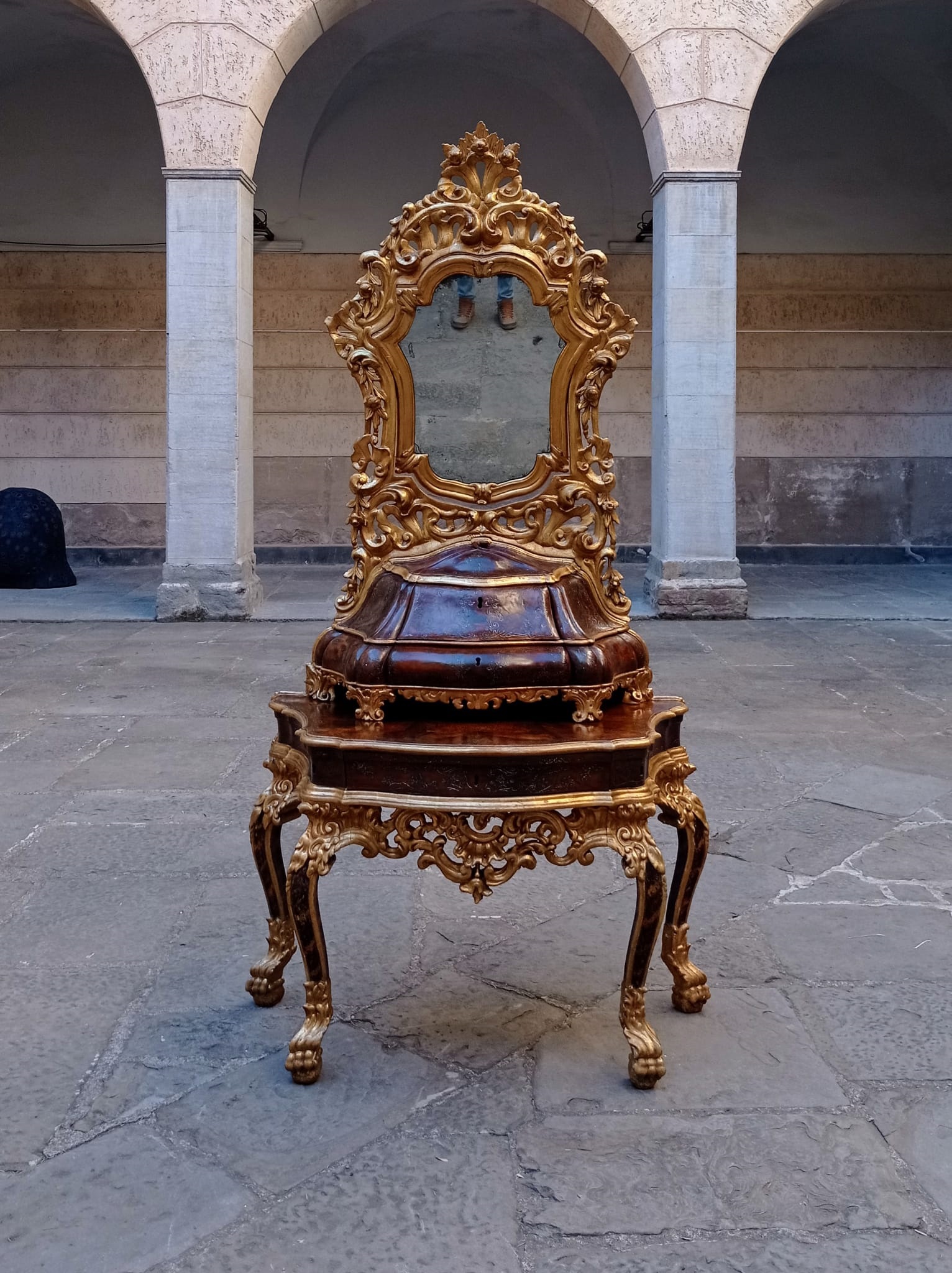
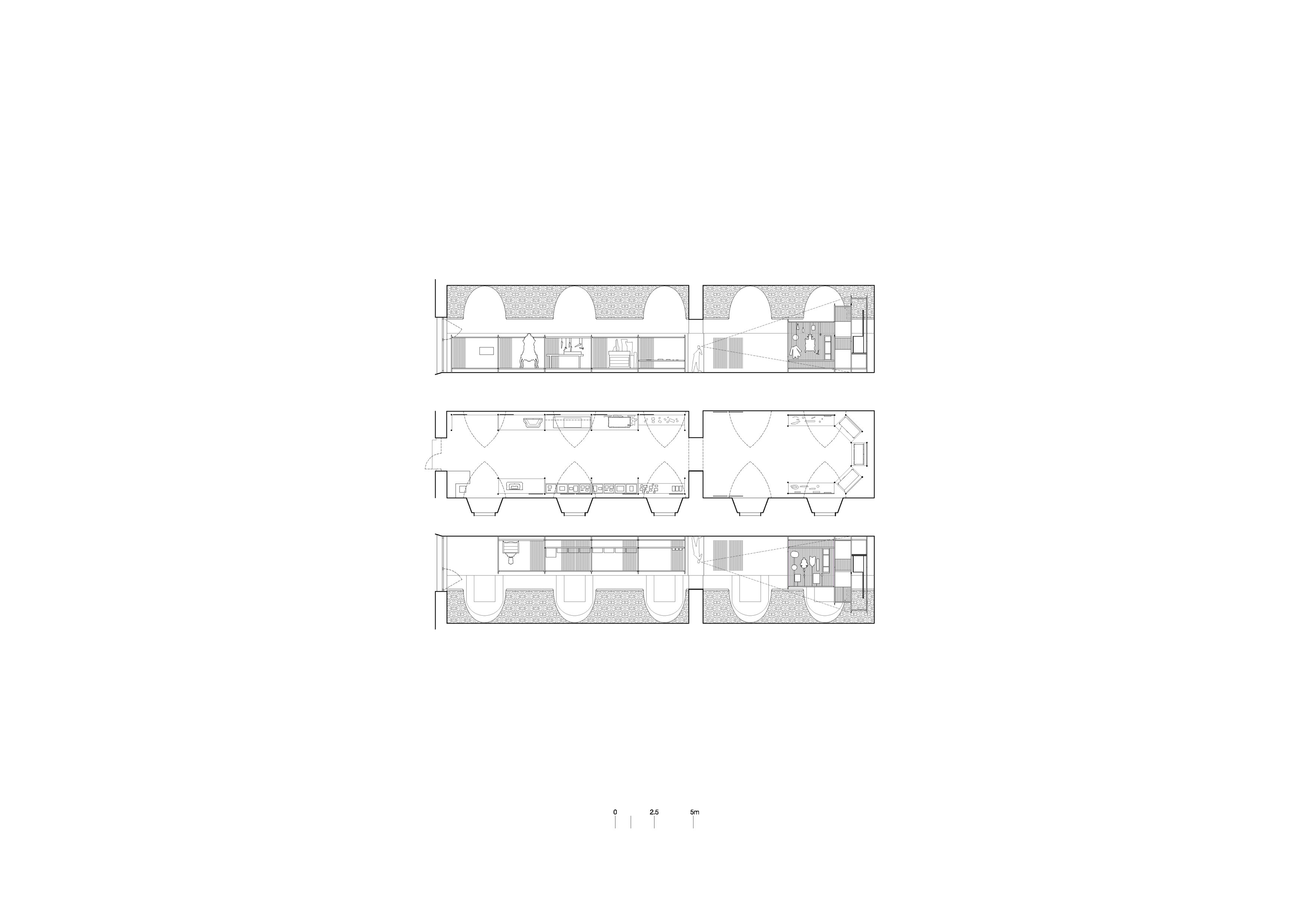
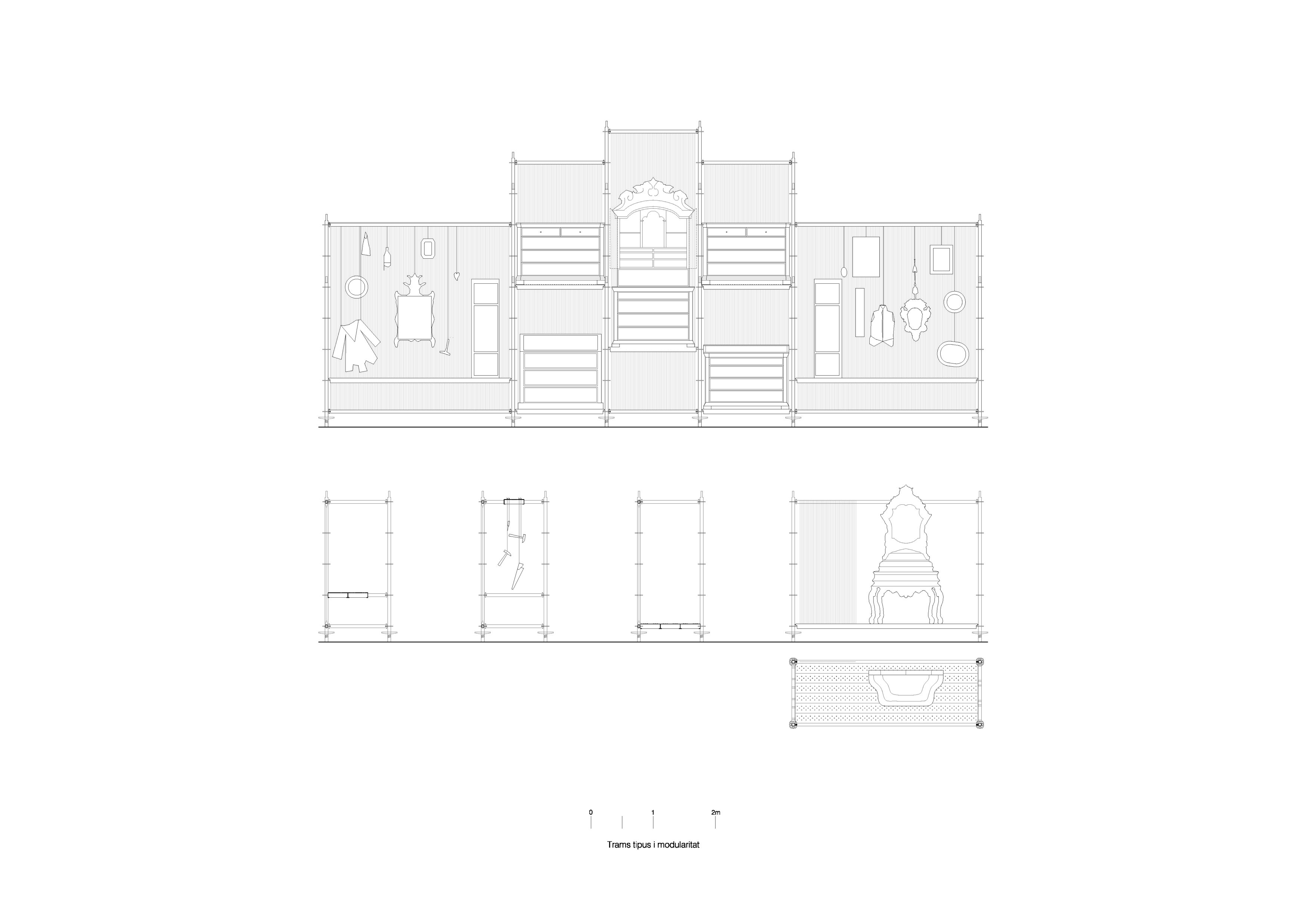
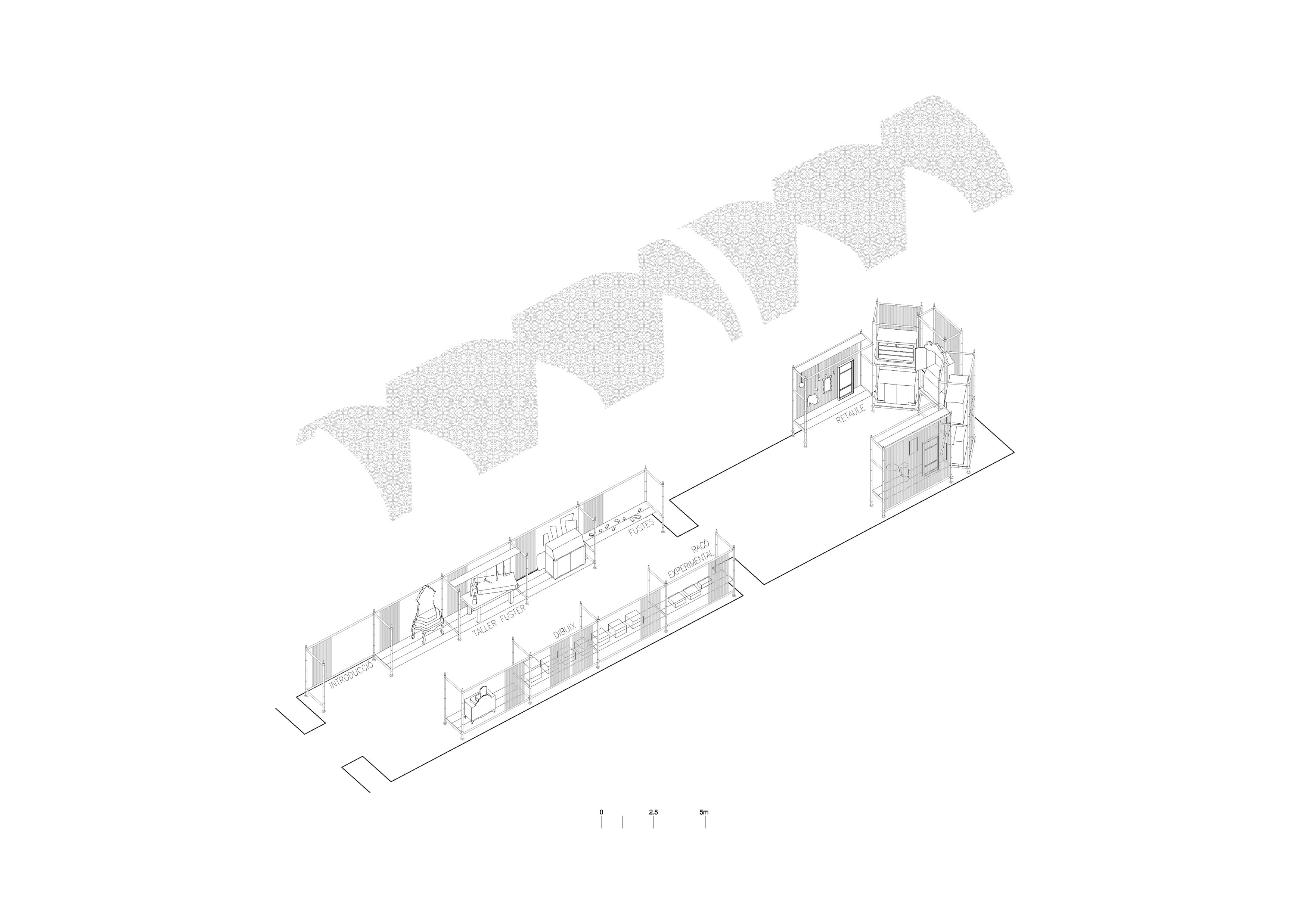
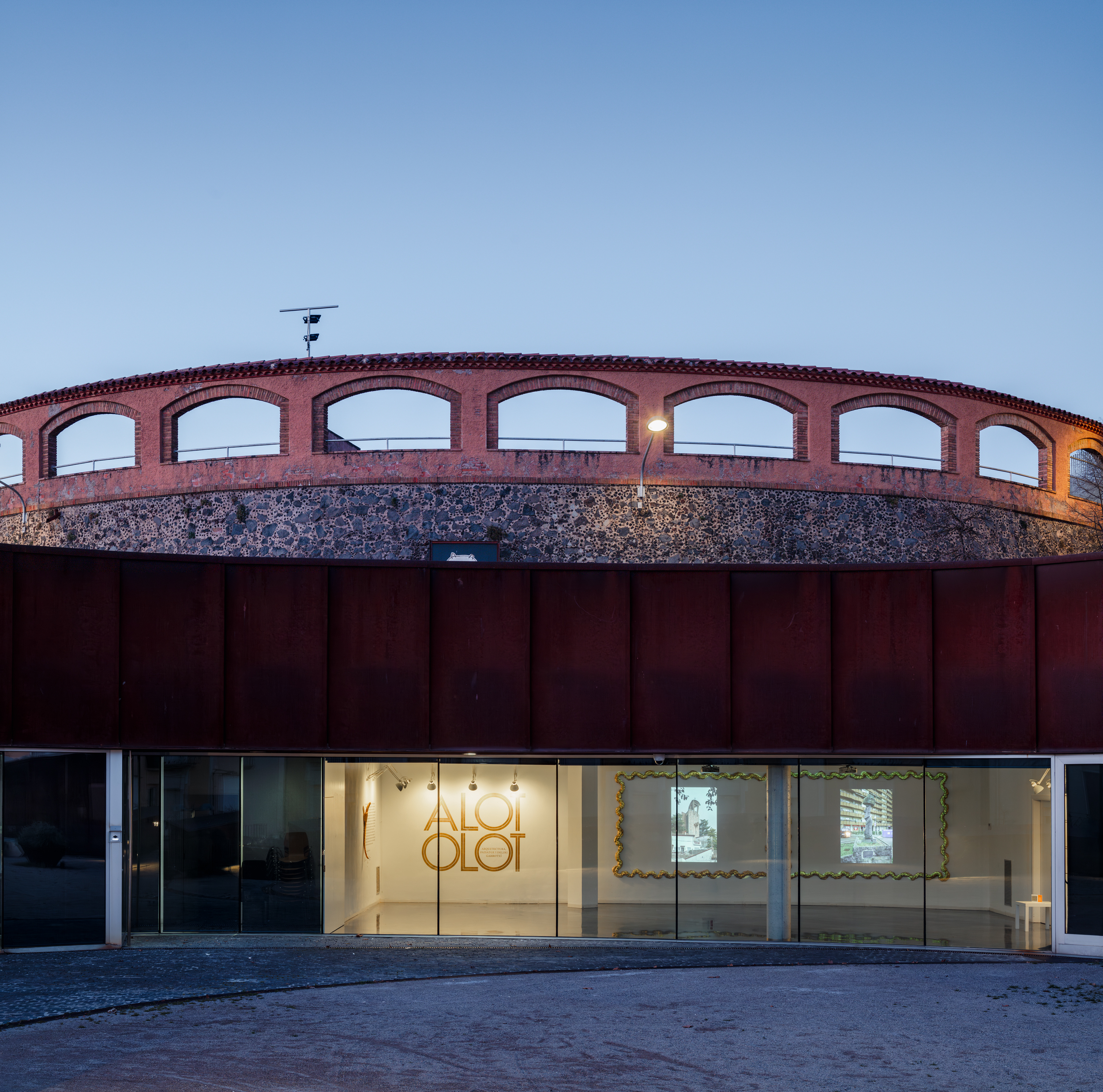
This publication is produced by the Observatori del Paisatge de Catalunya (Landscape Observatory of Catalonia) and Olot City Council, with a first edition of 500 copies. It also serves as the catalog for the exhibition held at the assembly hall of the Arxiu Comarcal de la Garrotxa (Regonal Archive of La Garrotxa) from November 15, 2024, to February 9, 2025, accompanied by various parallel activities. The exhibition presents the fifty cases in pairs, along with a collection of excerpts from building permits. The setup is based on three elements: decoration, with references to the (alot) wings of imagery workshops, the frames of tortell de matafaluga, (aniseed ring cake) and golden painting; warm and focused lighting, avoiding cold downlights; and the public space, opening the exhibition to the street and making it accessible at any time of the day or night.
This collection aims to highlight that educating the gaze is more crucial for transforming our environment than any type of construction. It also stems from the belief that architecture can be discussed not only among architects but with all citizens. Proof of this is that the opening event exceeded the venue’s capacity, attracting people of all backgrounds and professions, and that the publication is already sold out.
Situation
Sala d’Actes de l’Arxiu Comarcal de la Garrotxa. Plaça Puig del Roser, 1. 17800 Olot
42.18406, 2.48566
Coauthors
Roger Serrat-Calvó
Team
Clàudia Calvet
Colaborators
Setanta, graphic design
Promoter
Arxiu Comarcal de la Garrotxa
Book: Observatori del Paisatge de Catalunya and Olot town hall
Constructor
Norbe, ArtPairó, Rètols Mateu, exhibition
Vayredalab, wing transfer
Can Carbasseres, tortells
Images
Roger Serrat-Calvó
Project and exhibition dates
2024
Awards
2025. Finalist European Awards AHI (Architectural Heritage Intervention)
2025. Selected Architecture Awards 2025 by CSCAE
https://www.catpaisatge.net/ca/publicacions/109-alot-olot-arquitectura-paisatge-i-deliri-garrotxi
Good morning, Carme!
Reactivation of plaça del Carme, Olot, 2021
Between the street and the ground floor
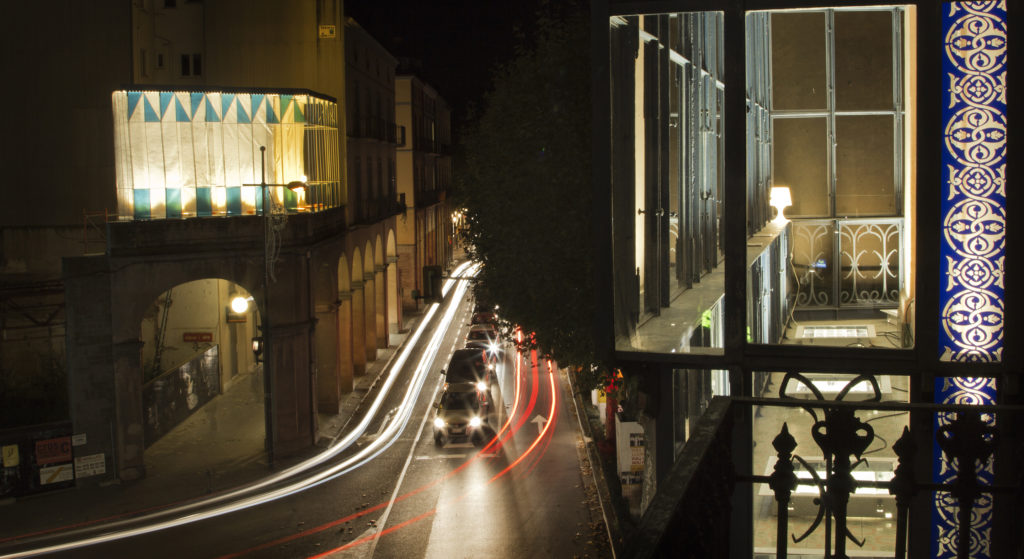
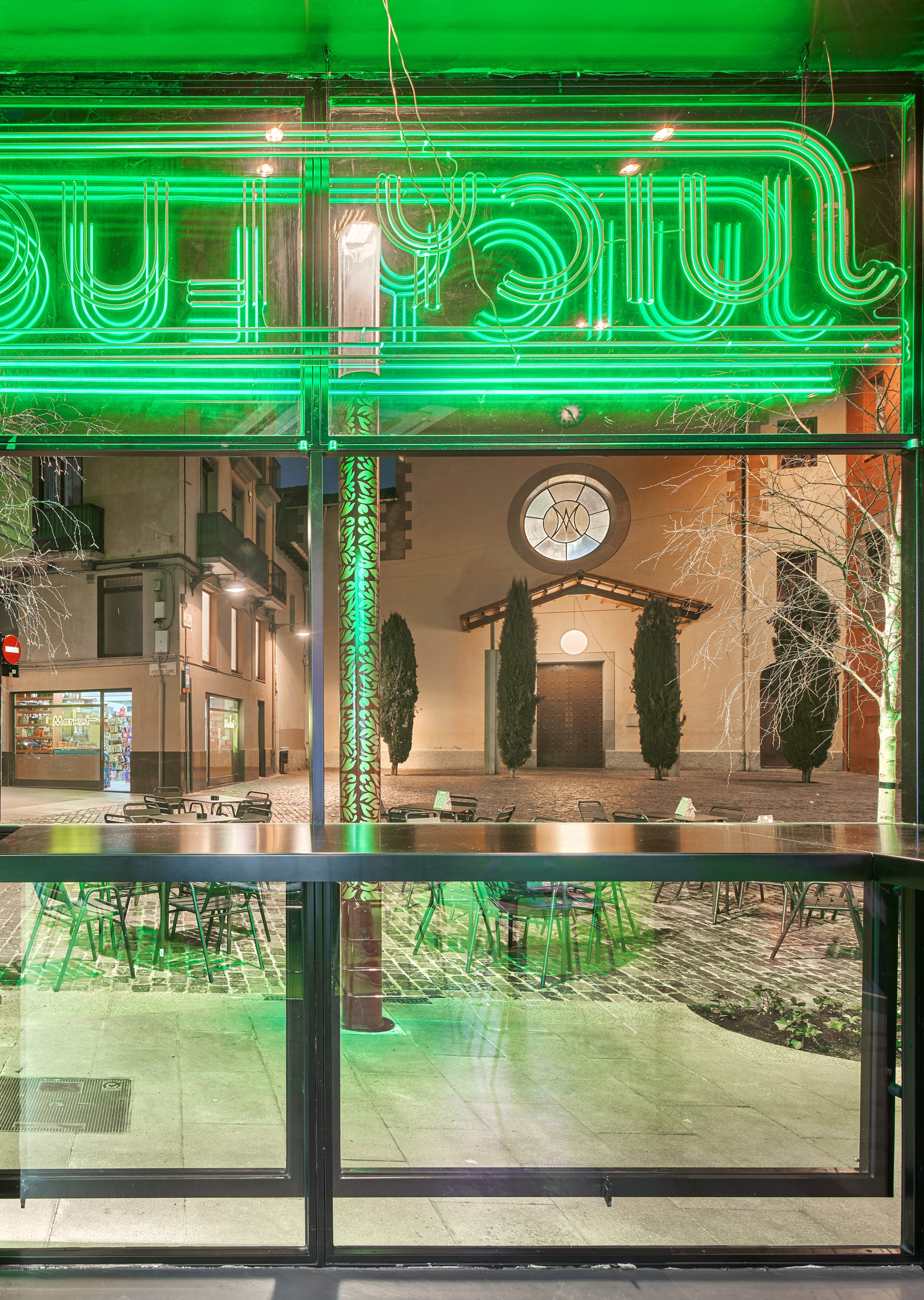
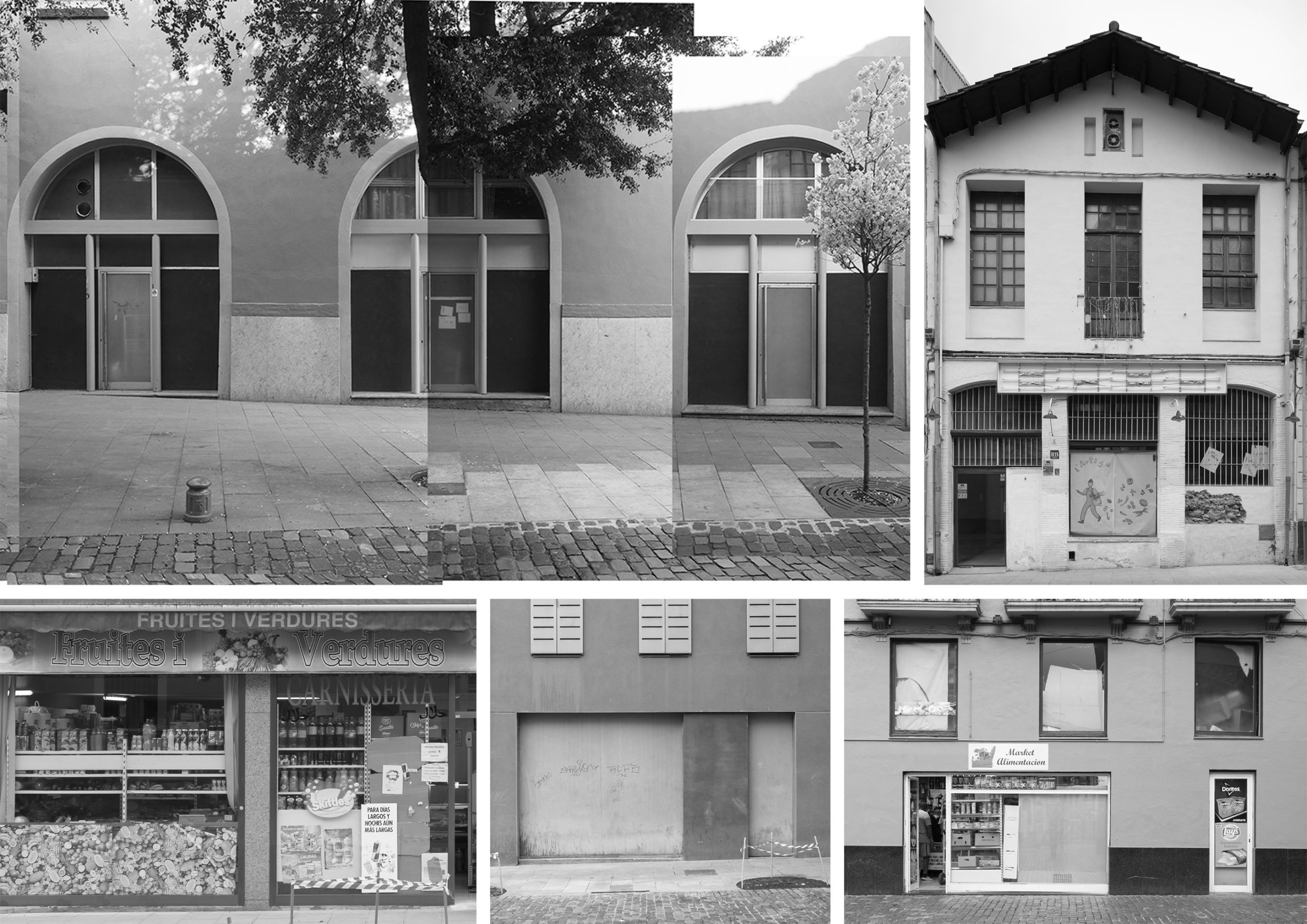
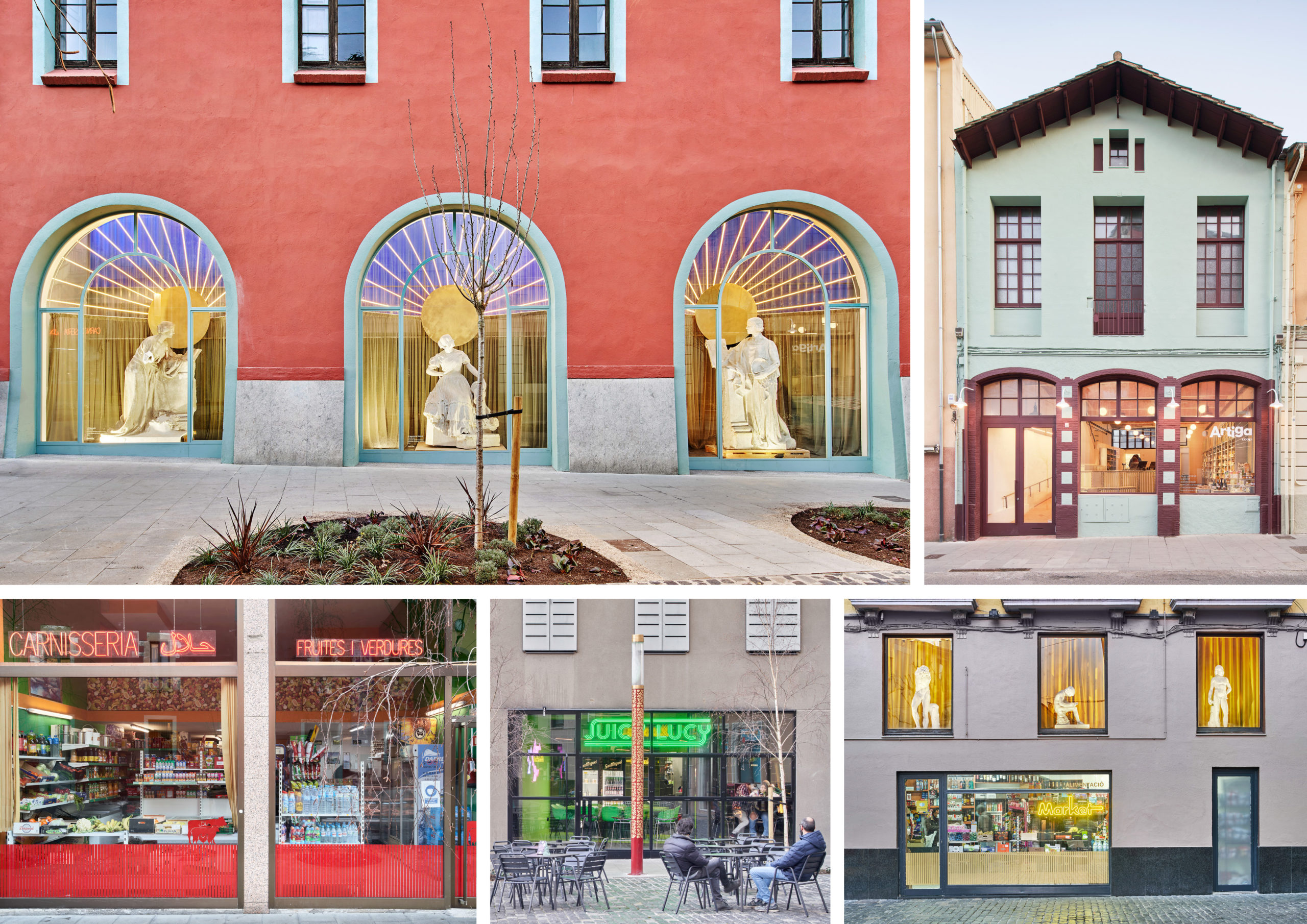
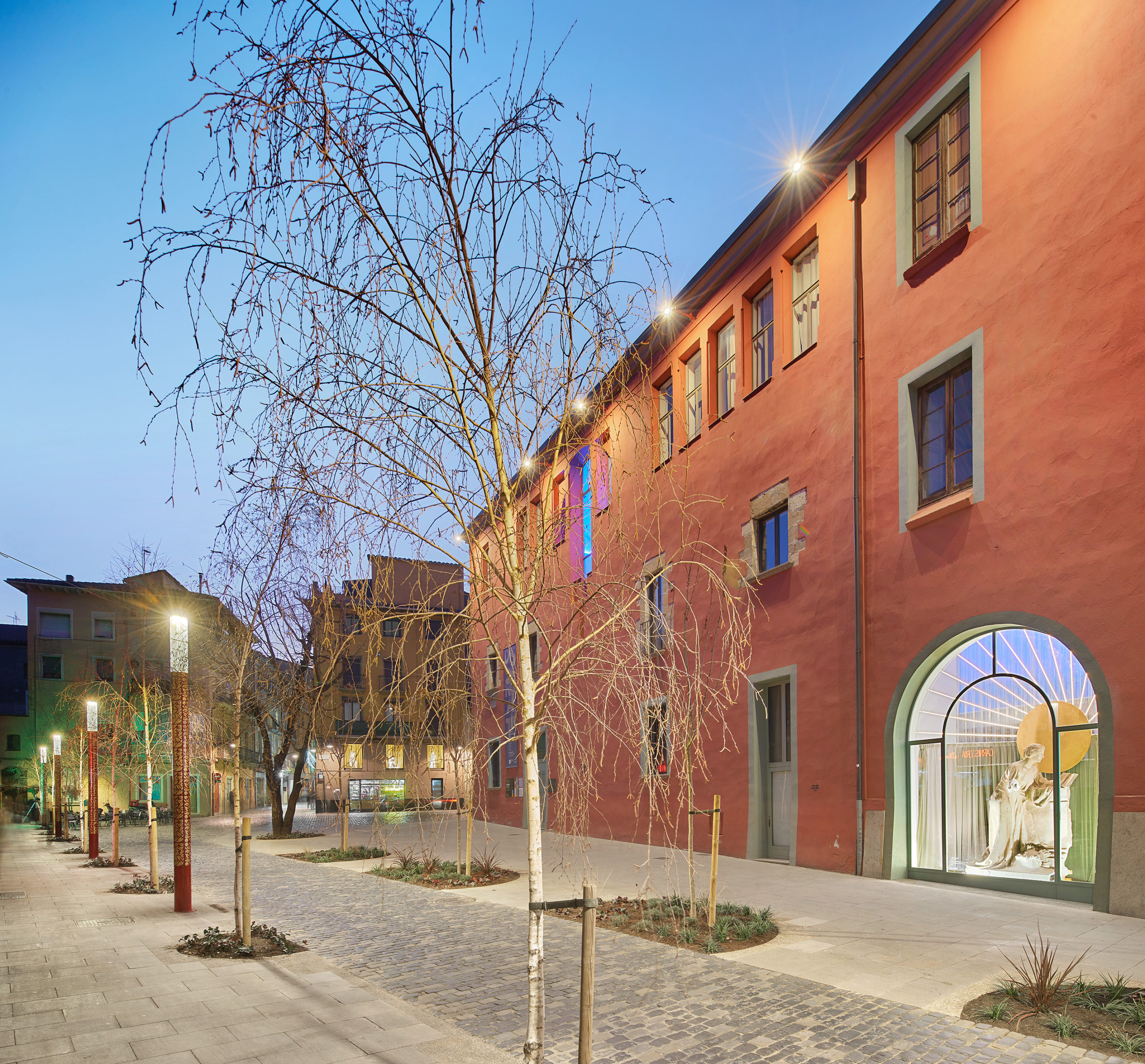
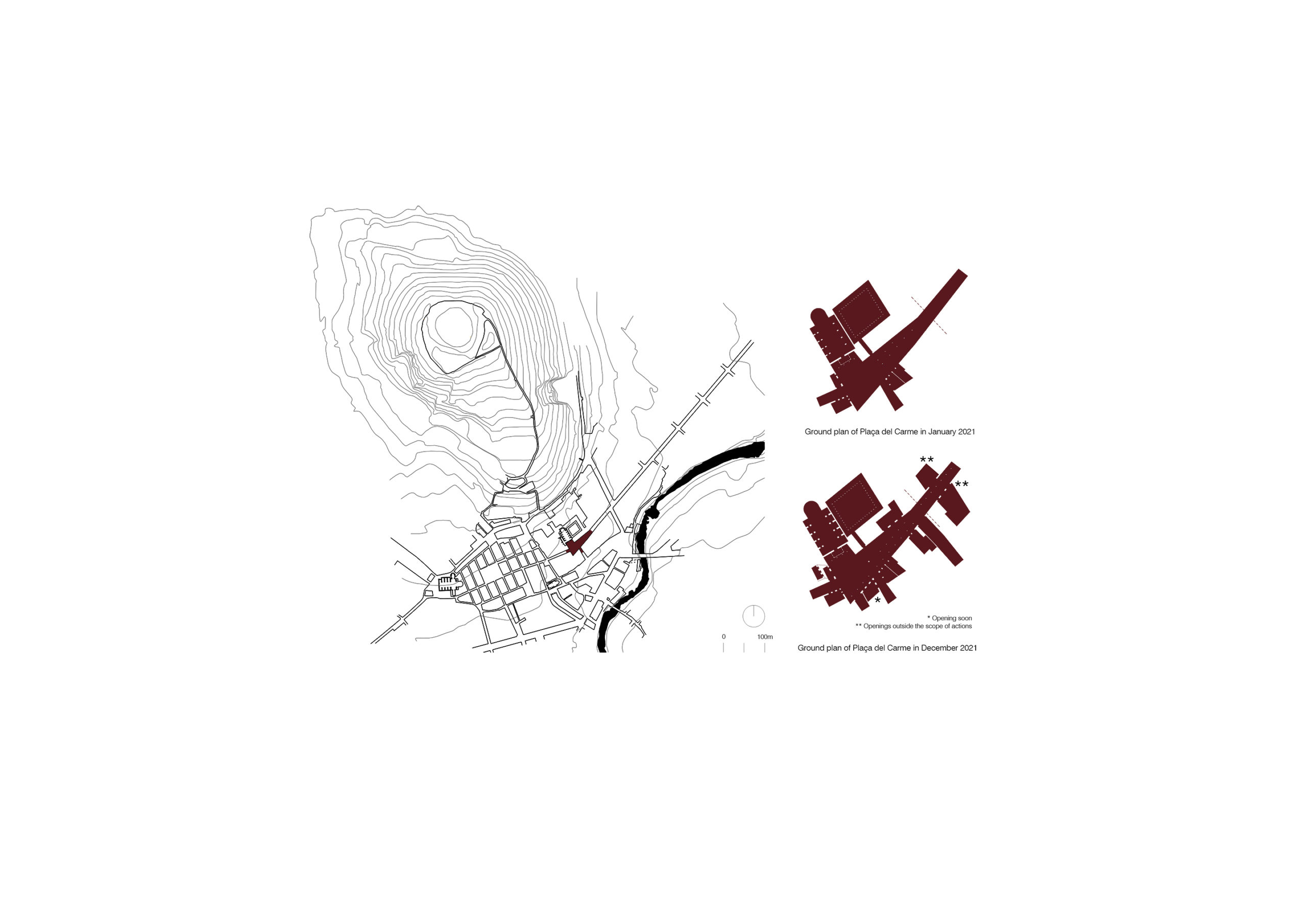
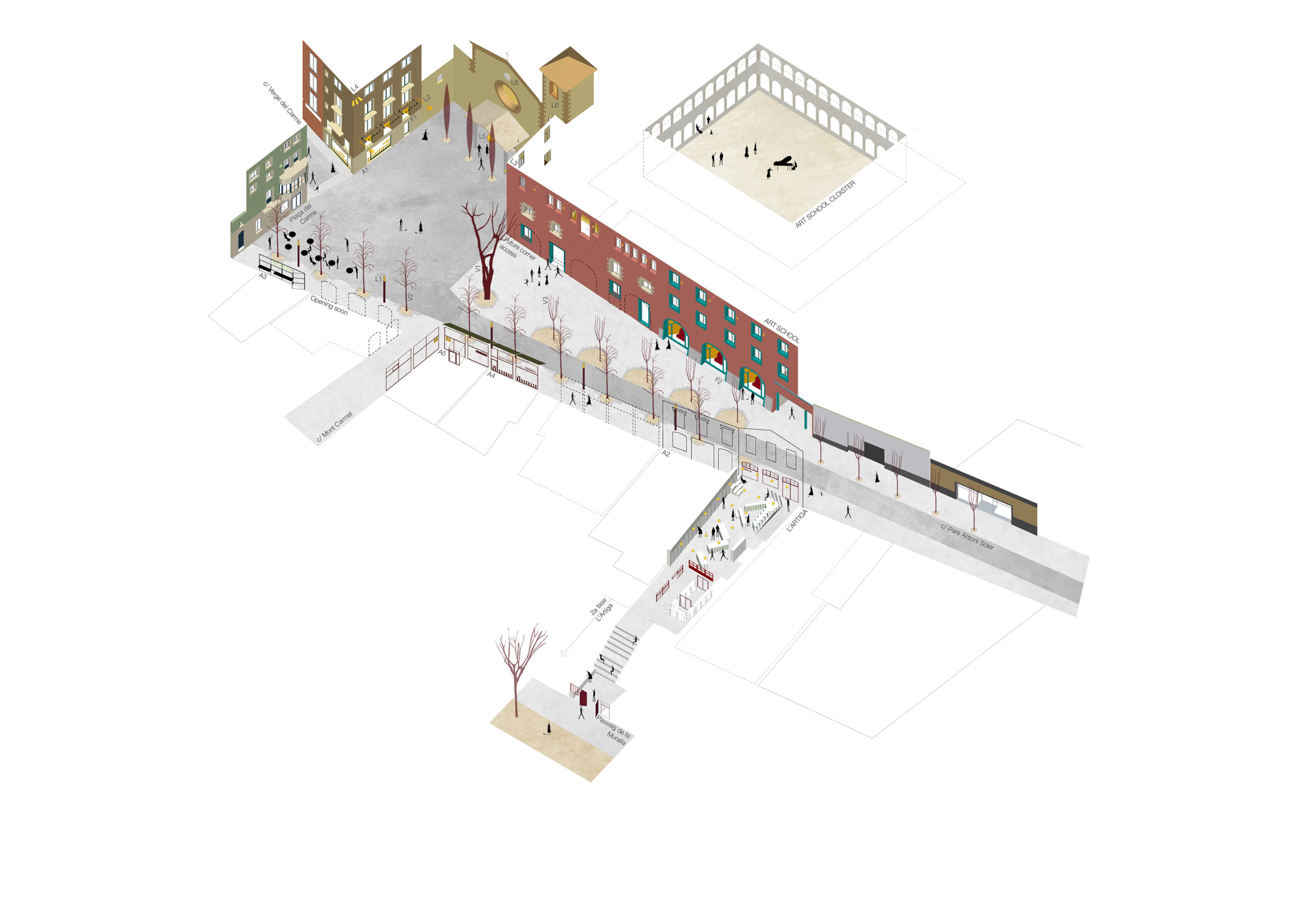
Shopping is an integral part of the street. Improving the vitality, comfort and safety of the public space was done by fostering occupancy of closed shops and emphasising relationships through the shop windows. That was the task developed on the street in the project, Good morning, Carme! (Olot, 2021). In a single year, 1000 m² of shops were opened and 120 m of façade were redesigned in a single square in the old town.
Changes in the consumption model have caused the centres of many cities to head into a sharp commercial decline. Based on the premise that the activity and character of the street depends on the façades and what happens behind them, the urban renewal of these spaces inevitably involved the mobilisation of the bank of empty ground floor premises. The shop windows are where this relationship was established, with extensions into the outside with awnings and pedestal tables and into the inside with the products on display.
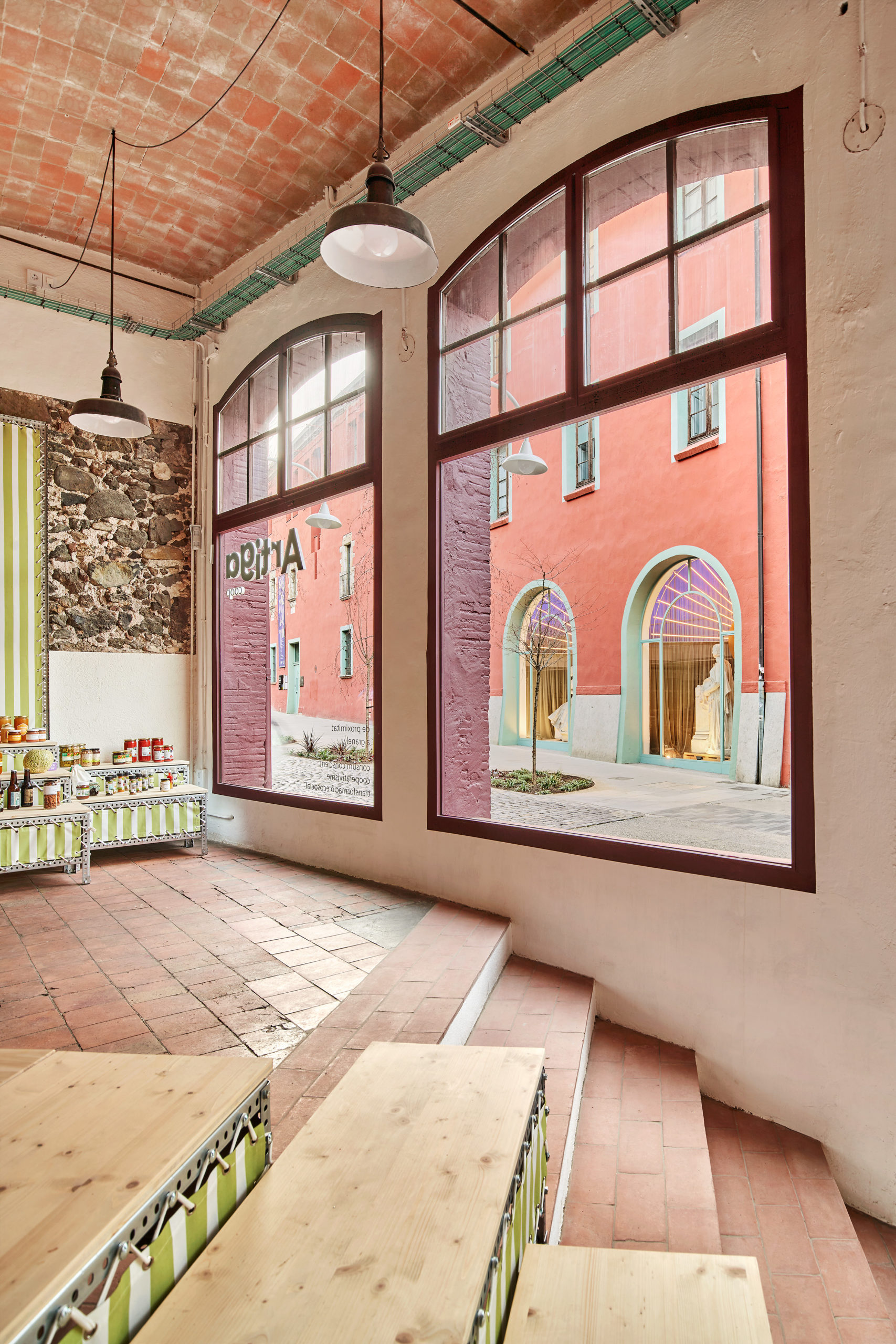
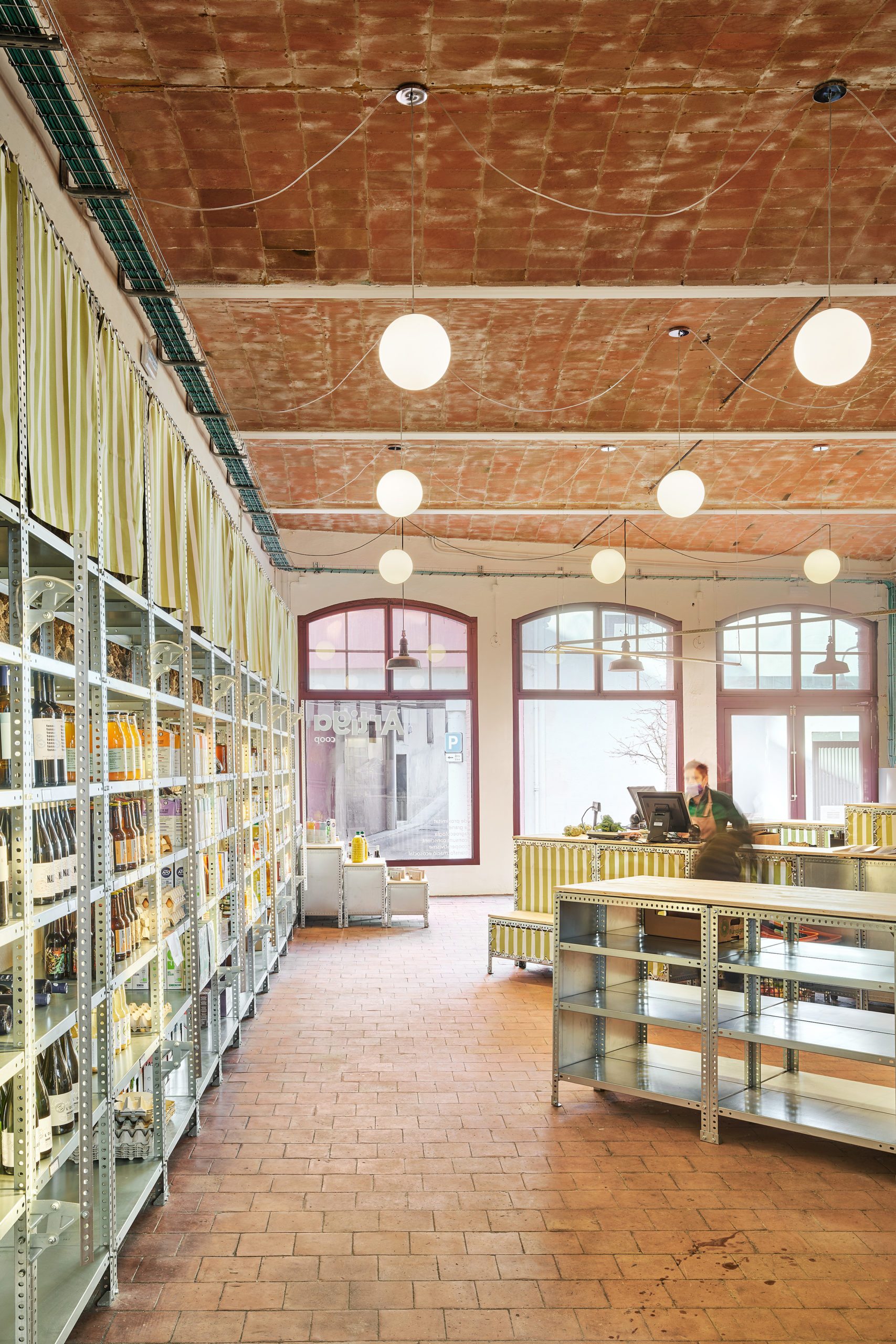
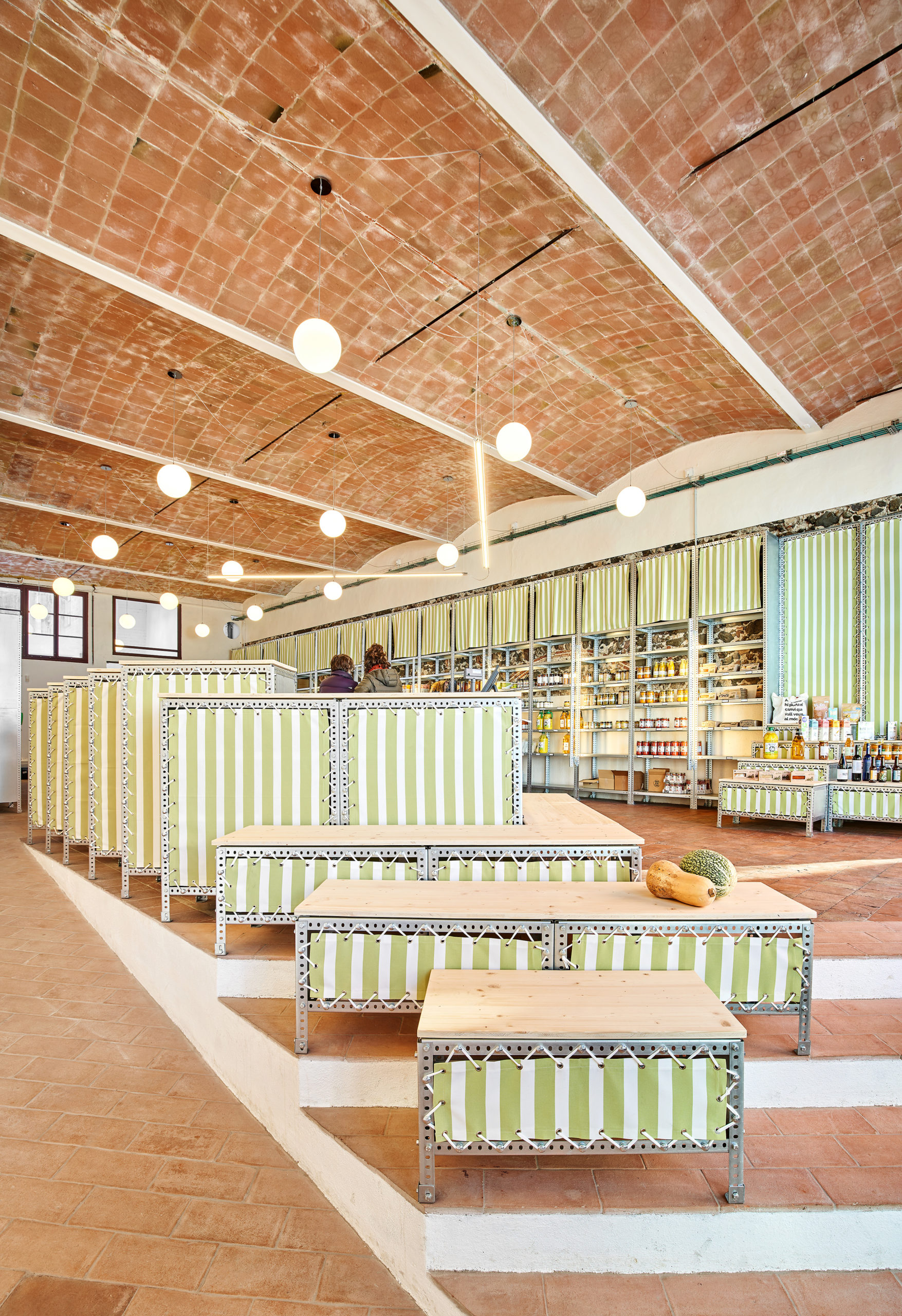
It was thus advisable to blur the borders between the public and the private, from a physical perspective and, especially, from a municipal management viewpoint. That was the starting point for the Good morning, Carme! project, which united and went hand in hand with a collective hope: the revival of plaça del Carme in the centre of Olot. Traditional city planning was reconsidered, allocating 70% of the budget to ground floors. The project also included the opening of the city’s Art School and the remodelling of a warehouse for a consumer cooperative. It is a project of projects, involving 3 developers and 8 shopkeepers.
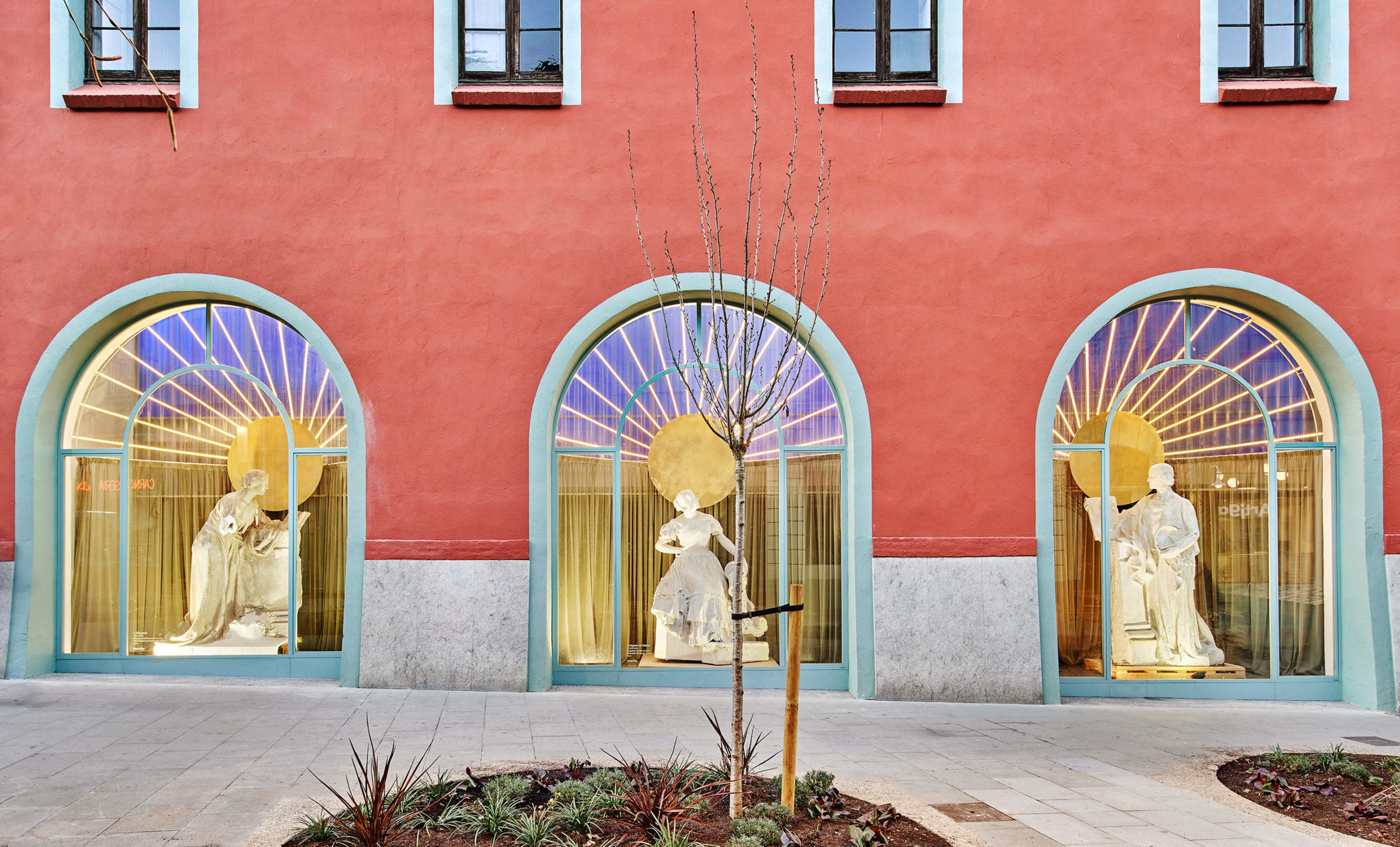
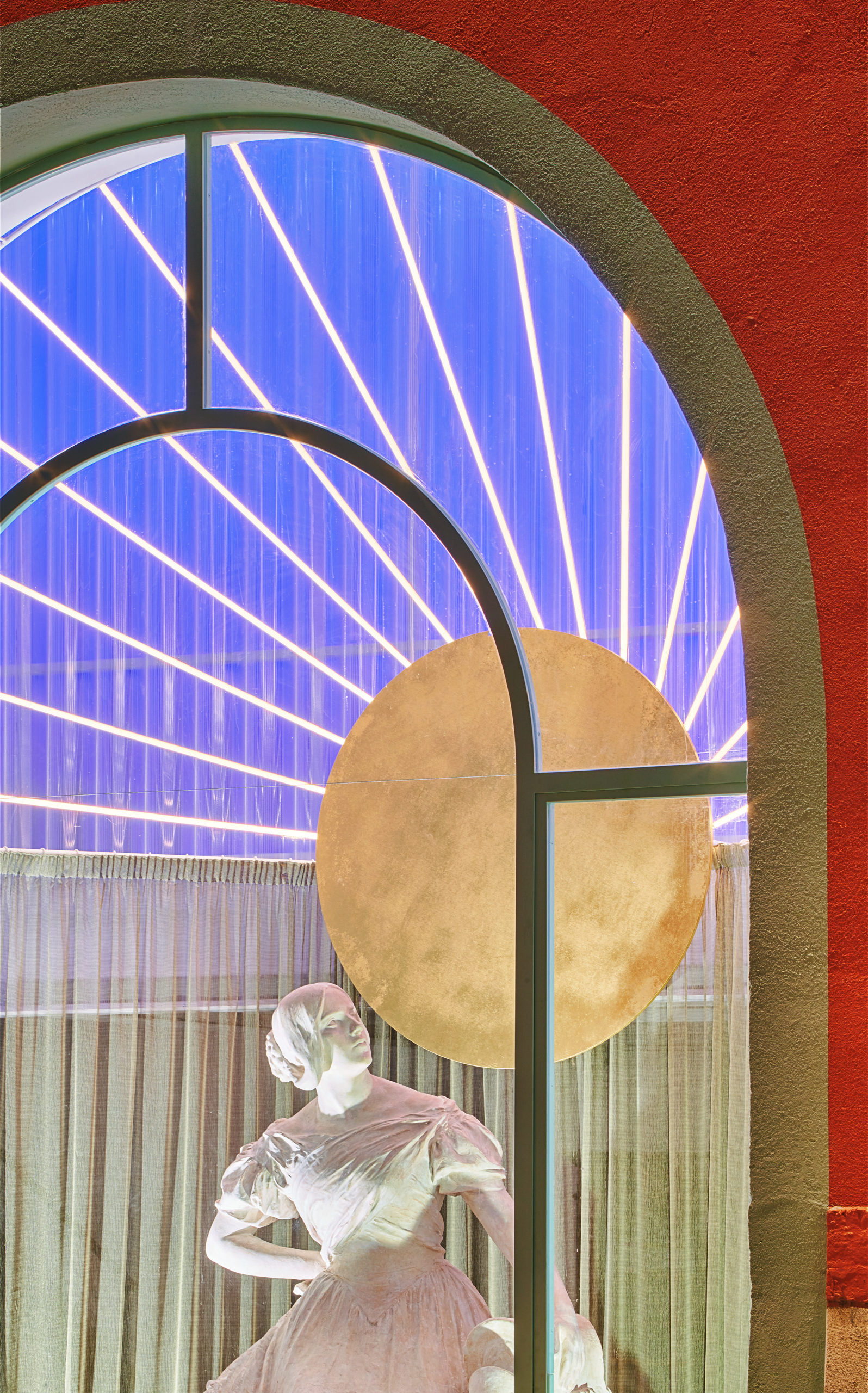
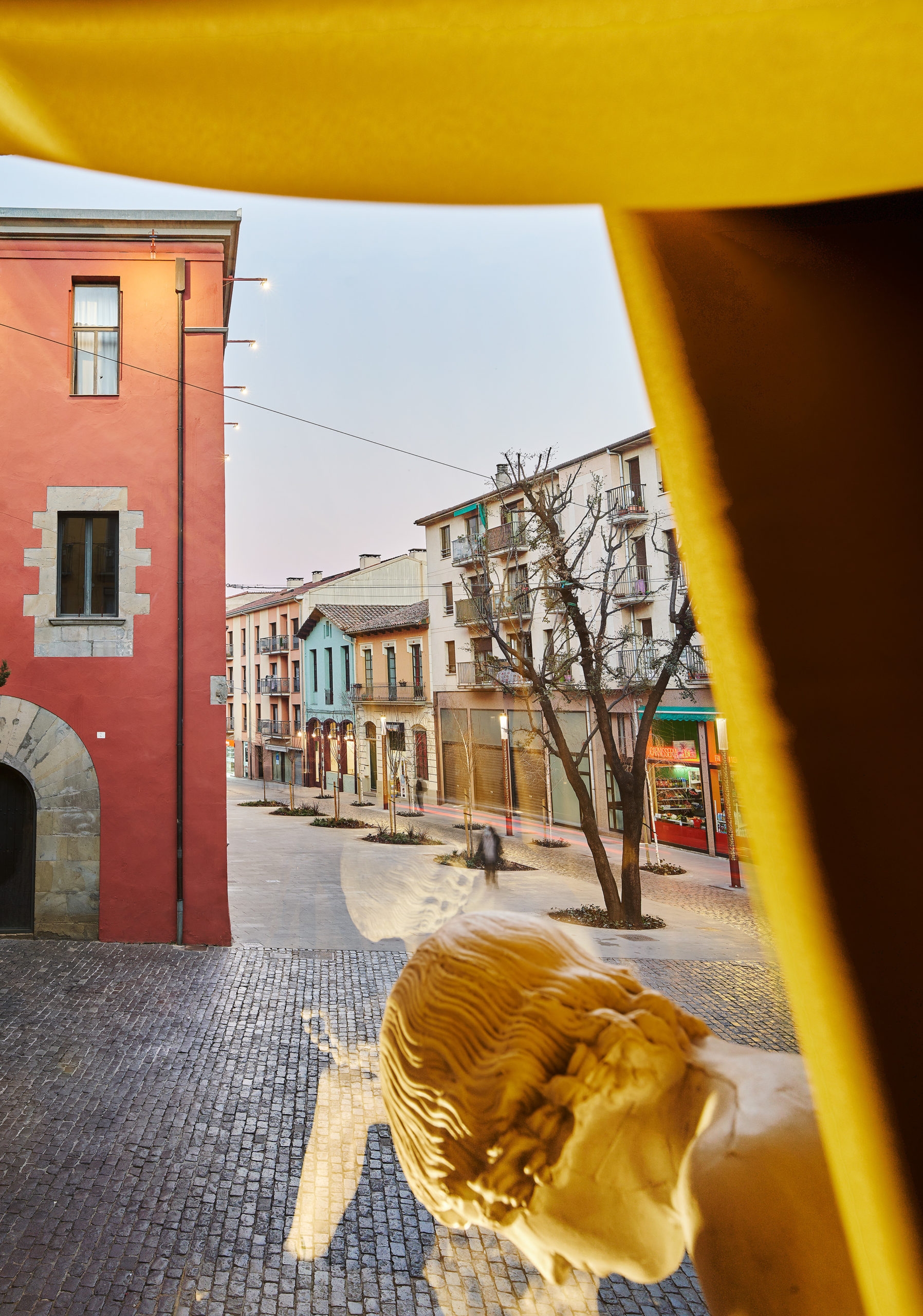
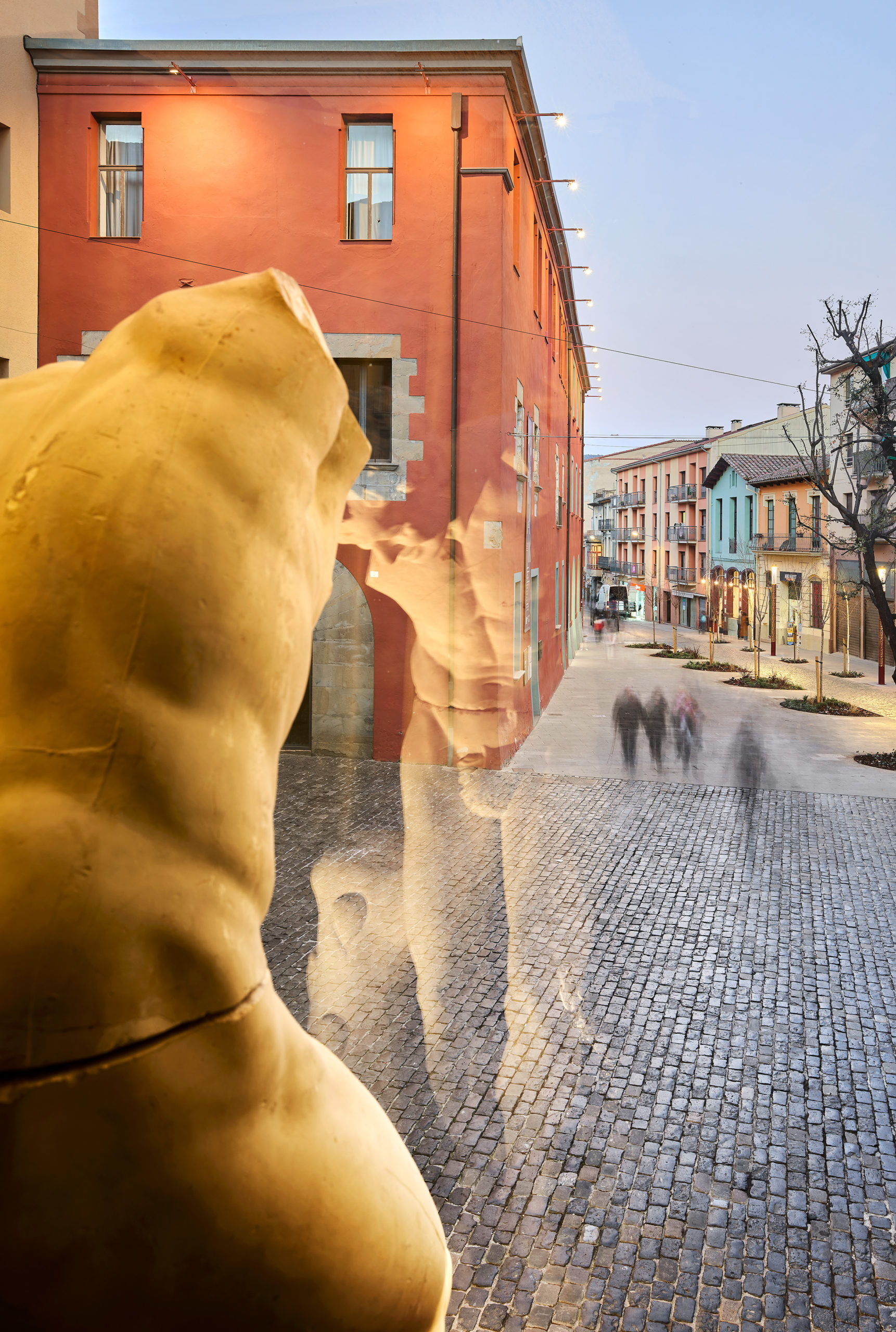
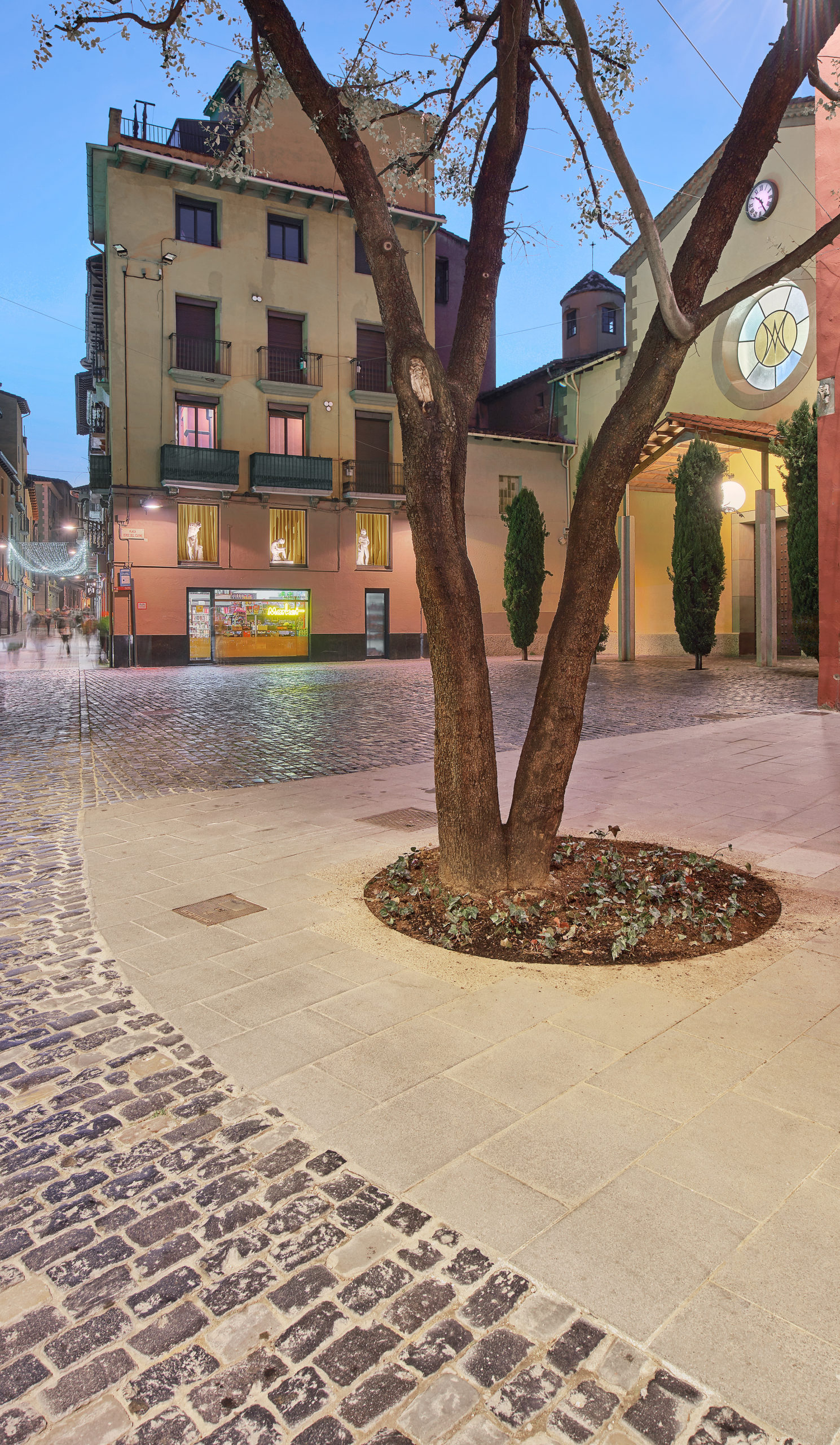
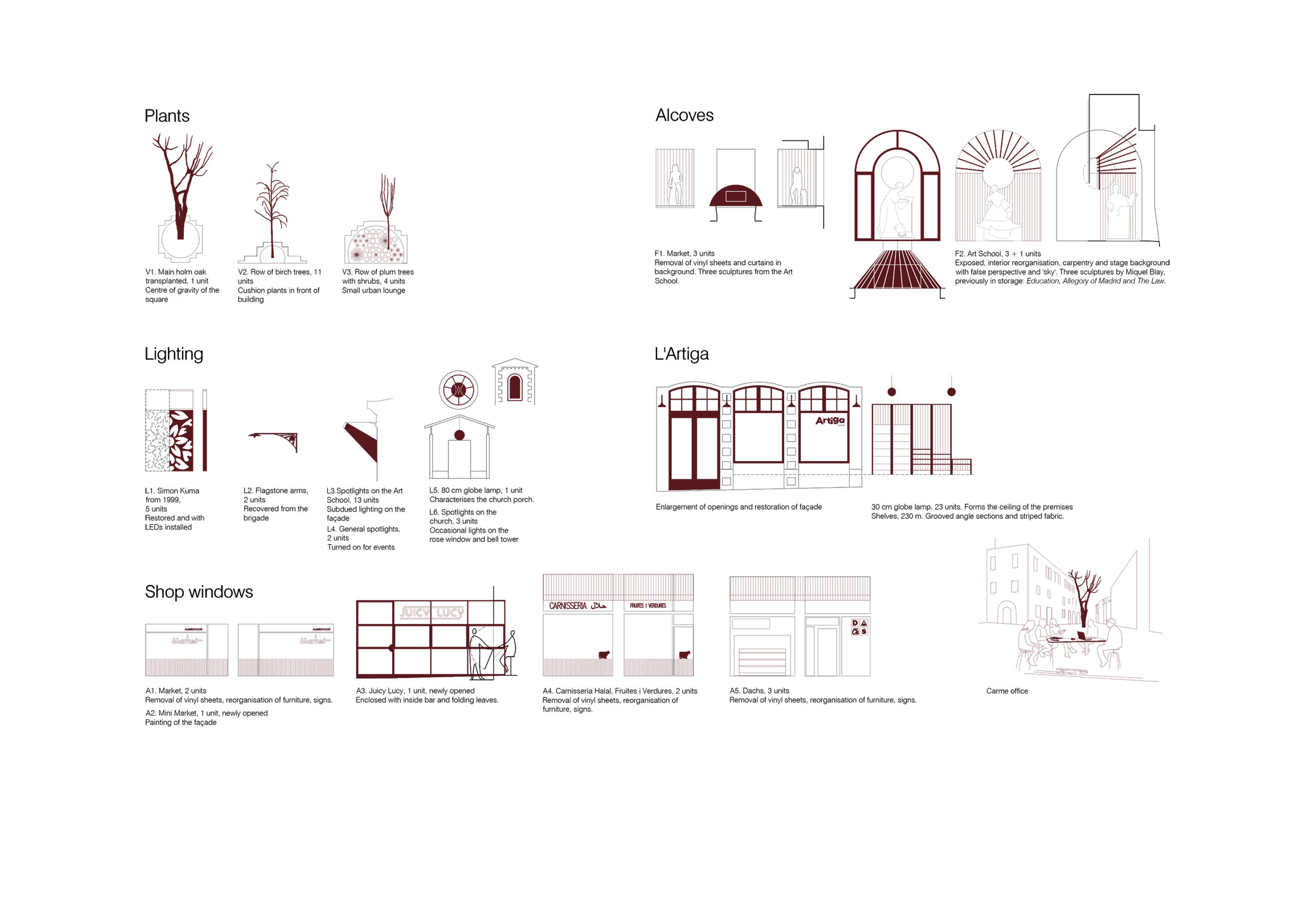
The approach was similar to acupuncture, like a catalogue of actions that add complexity and depth to the relationships between the street and the ground floors. This catalogue considered planting deciduous trees to complement the façades, the lighting of the street from the perimeter and from the insides, converting empty openings into alcoves to exhibit sculptures from the Art School and overhauling shop windows to endow them with the most transparency possible and bring them into dialogue with the street.
During the nine months that works lasted, the “Carme office” was set up in the square, where we cooked up ideas on how to reactivate the space. This was the meeting point between neighbours, shopkeepers, owners and technicians, who also took on the roles of facilitators, managers and mediators. Dividing the project into stages ensured we could adapt it to any new needs detected.
Situation
Plaça del Carme. 17800 Olot
42.183204, 2.492156
Team
Clàudia Calvet, Xevi Rodeja
Artistic intervention at Simon Kuma lampposts
Quim Domene, with the special collaboration of Simon Group
Structural Design
Miquel Capdevila
Industrial Engineers
Protir Enginyers
Lighting Design
Grupo Noria
Gratitudes
Members of l’Artiga cooperative, Xevi Pujol (Landscaping advice), Garrotxa Museum, Olot town hall, Dinàmig and Sigma technical staff, Local occupation plan, Nucli Antic neighbourhood council, Neighbours and shopkeepers, Salvi Capellà, Joan Mallart
Promoter
Olot town hall, L’Artiga Coop, Art School of Olot
Builder
Construccions Pere Boada Comas, Grederes 2.0, Trasplantaments Sant Iscle, Civil engineering works & landscaping
Elèctric Jomi, Montolivet Instal•lacions, Grau Sistemes Tèrmics, Installations
Plantalech, Serralleria Jordi Cullet, Metal works
Fusteria Esfèric, Fusteria Esteve Baqué, Fusteria Jordi, Carpentry
Soy & Soy, Painting works
Rètols Mateu, RetMiq, Commercial signs
Magatzems Olot, Collell protecció solar, Textile materials
Viguet Canal, Fiosa, Reine, Codispe, FV Seguretat, Commercial fixtures
Images
José Hevia, Roger Serrat-Calvó (7/19)
Surface
1.750 m²
Project and construction dates
2020 – 2021 / 2021
Awards
2022. Awarded Iberoamerican Biennial of Architecture and Urbanism
2022. Awarded FAD Awards and Public vote FAD Awards
2022. Finalist Arquitecture Awards by CSCAE
2022. Selected European Prize for Urban Public Space
2022. Selected Girona Architecture Prize
With the support of Institut Ramon Llull
Can Sau. Emergency scenery
Establishment and adaptation of a common wall in the city centre. Olot, 2019
With Quim Domene, visual artist
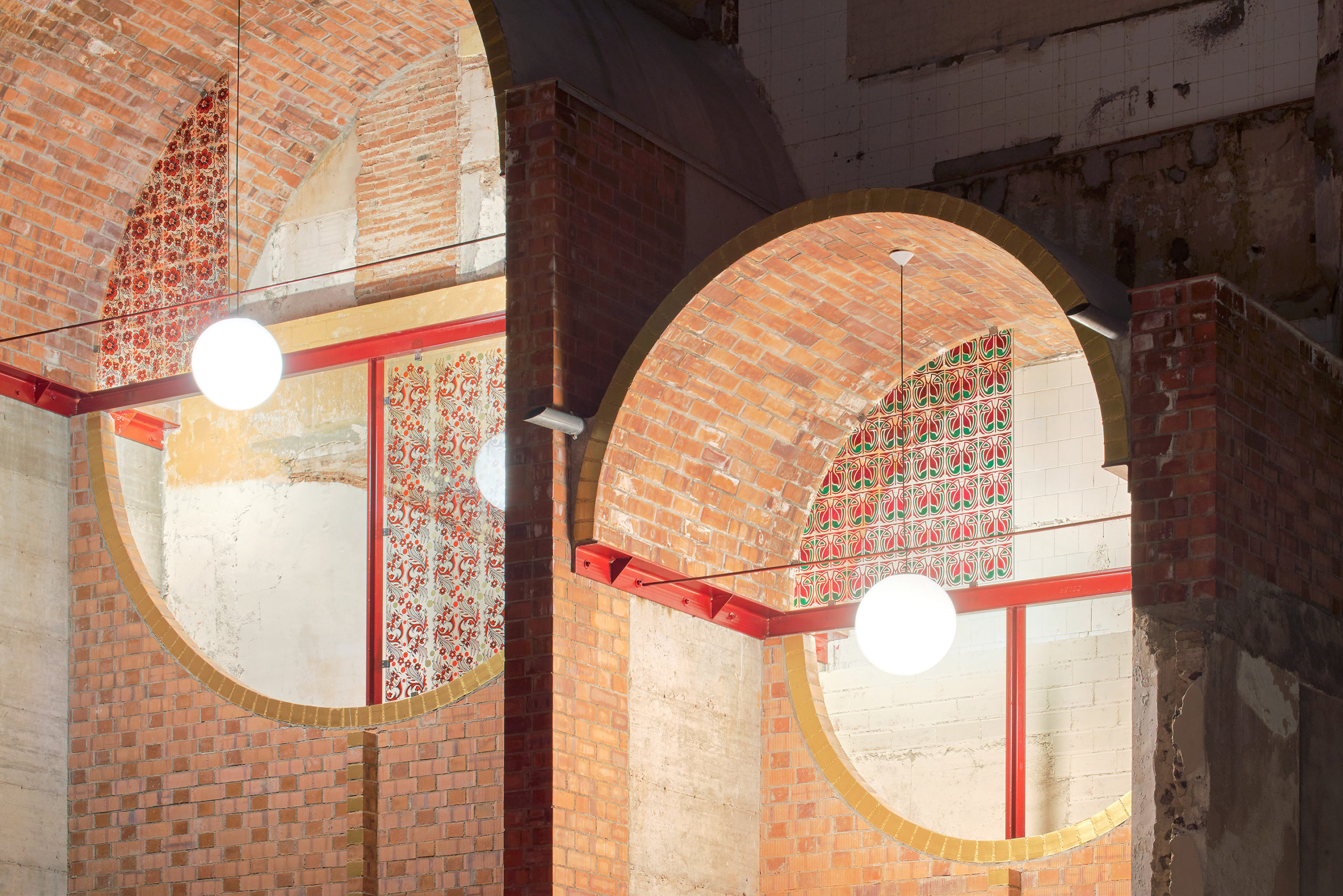
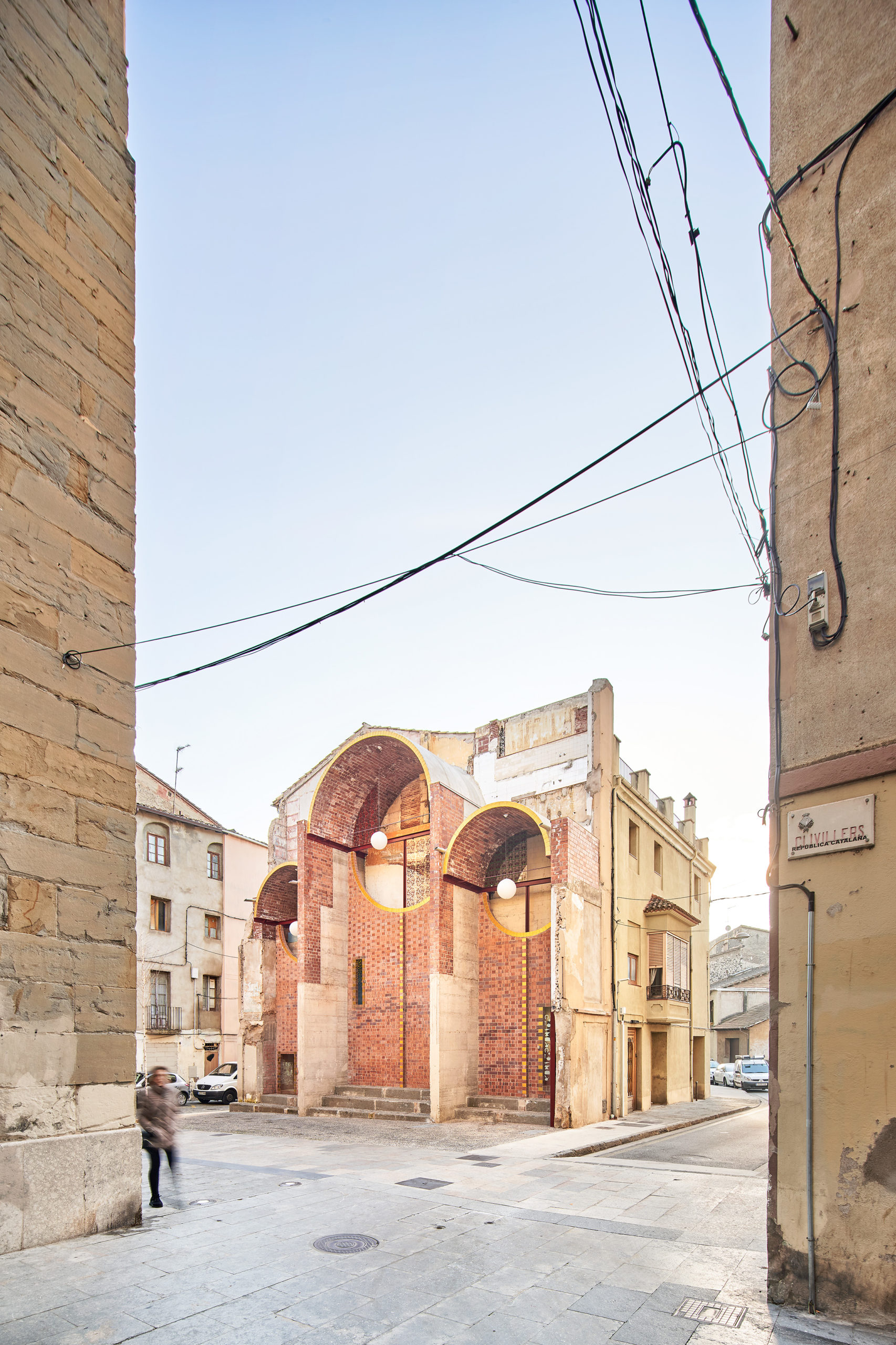
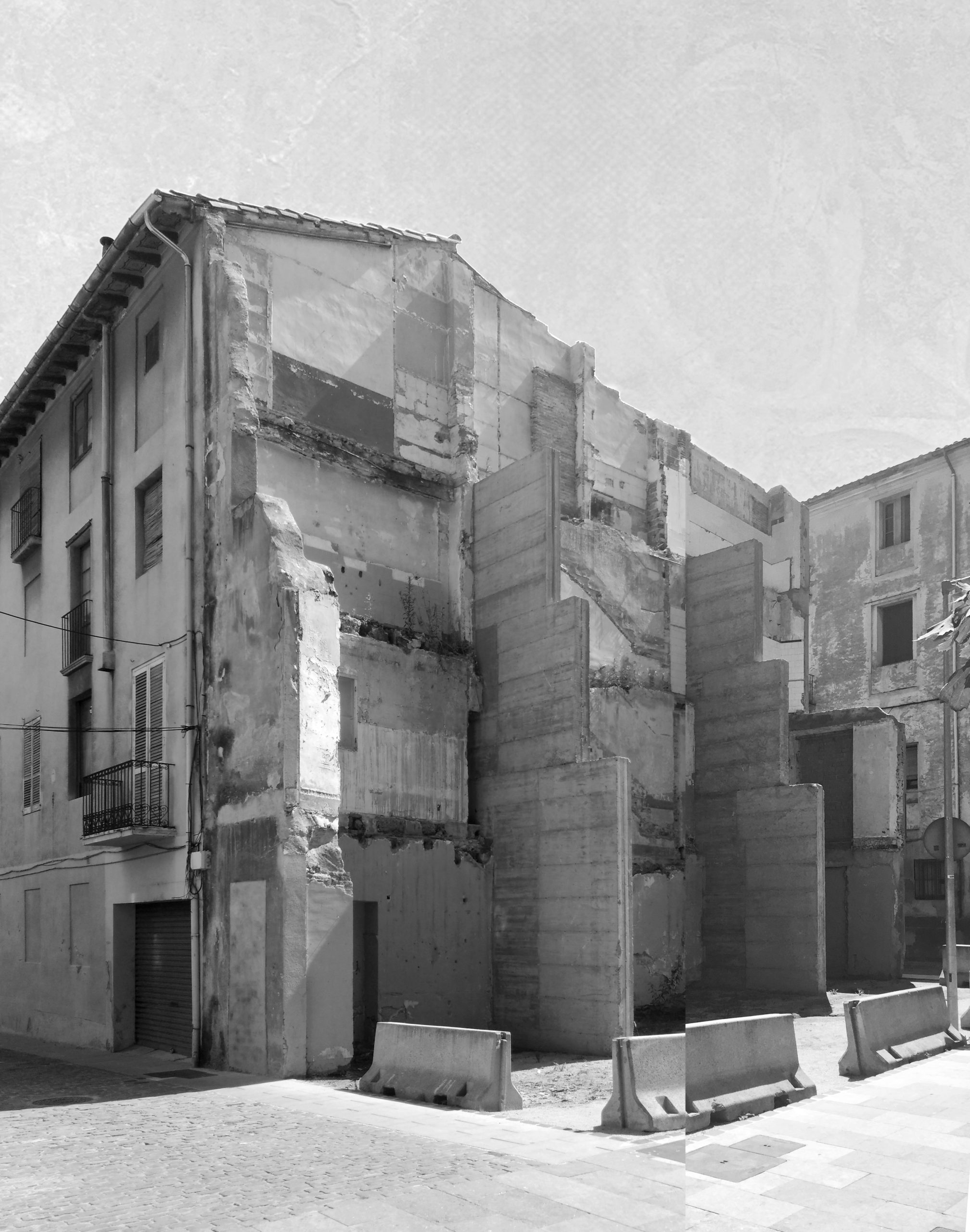
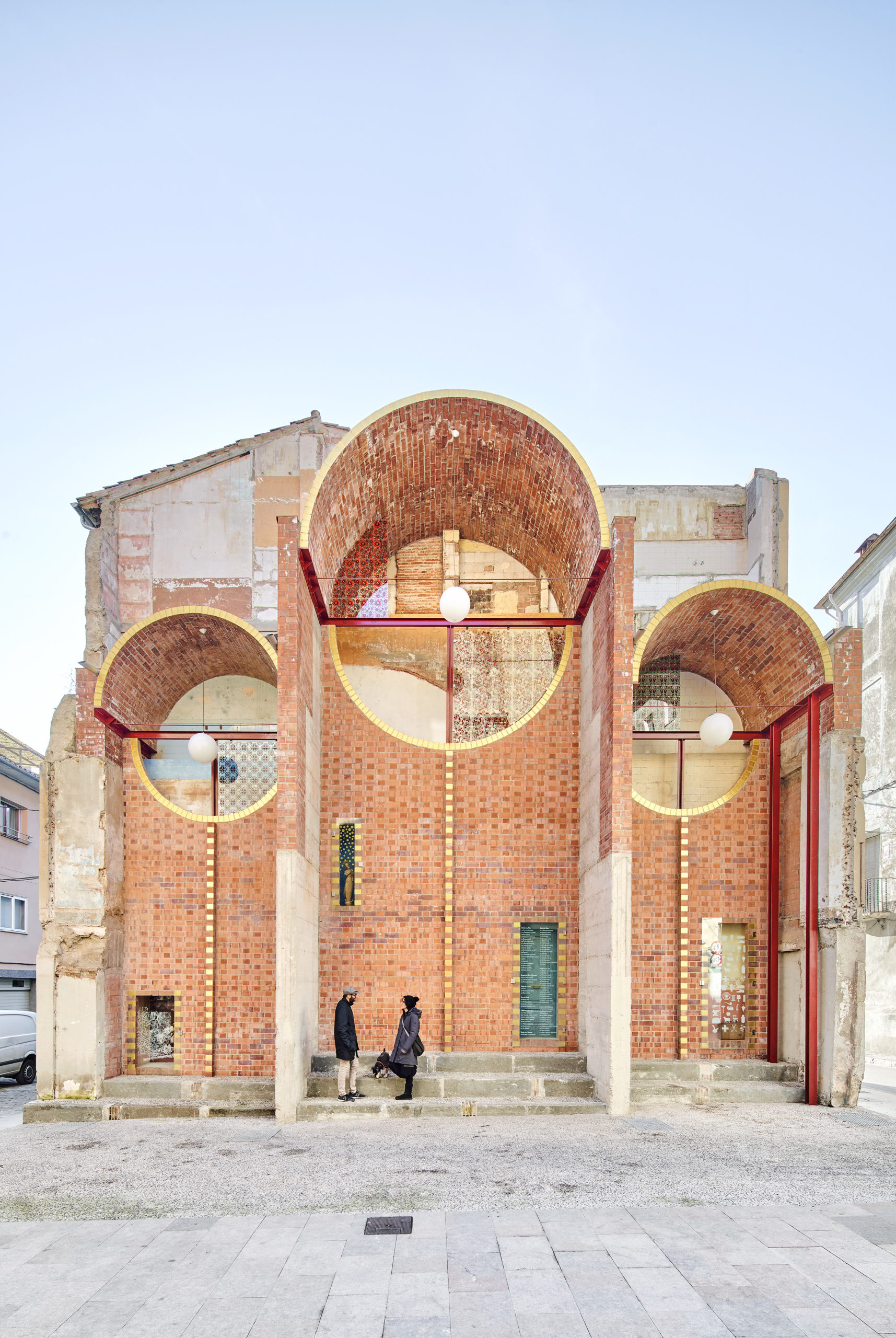
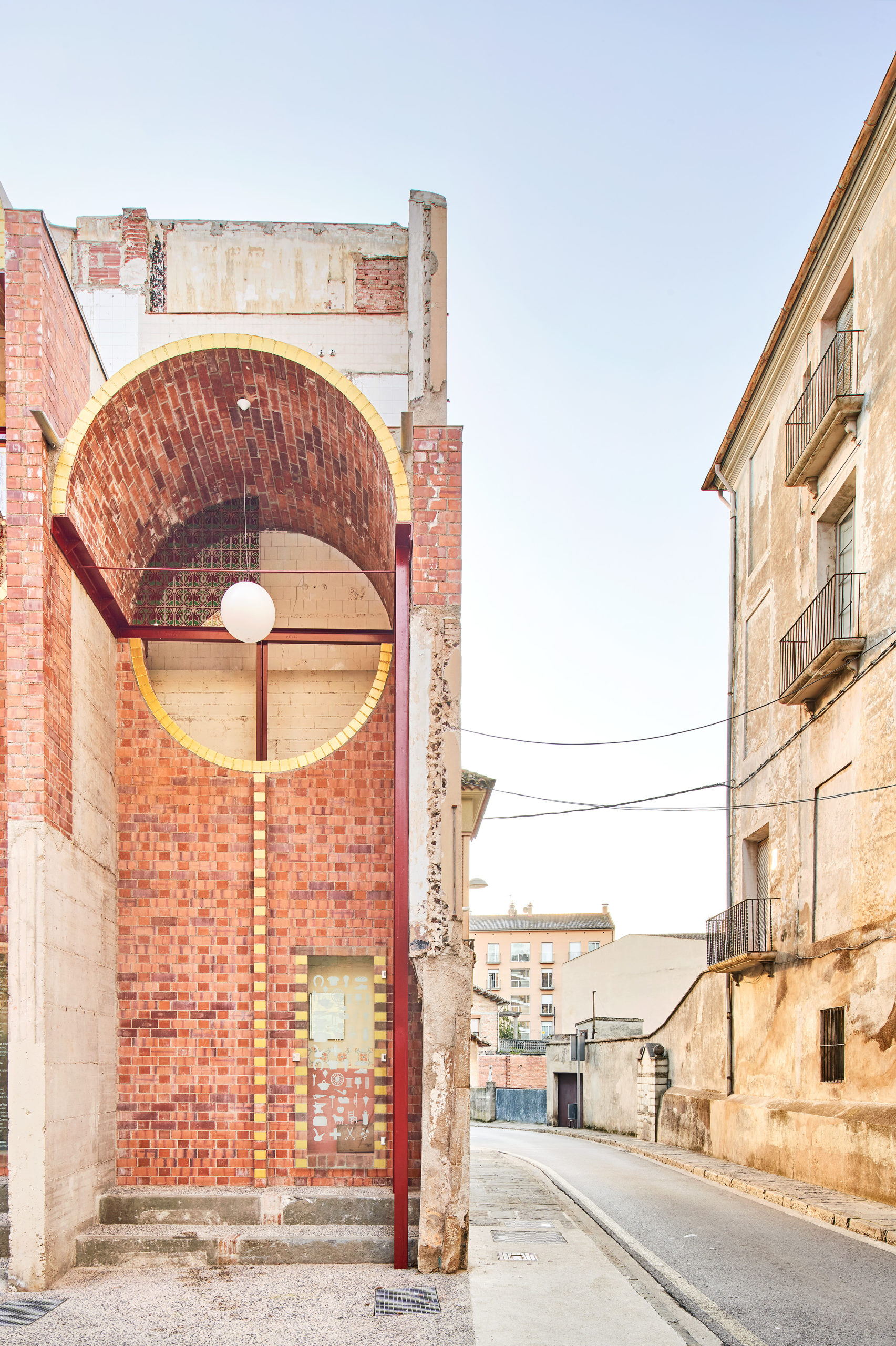
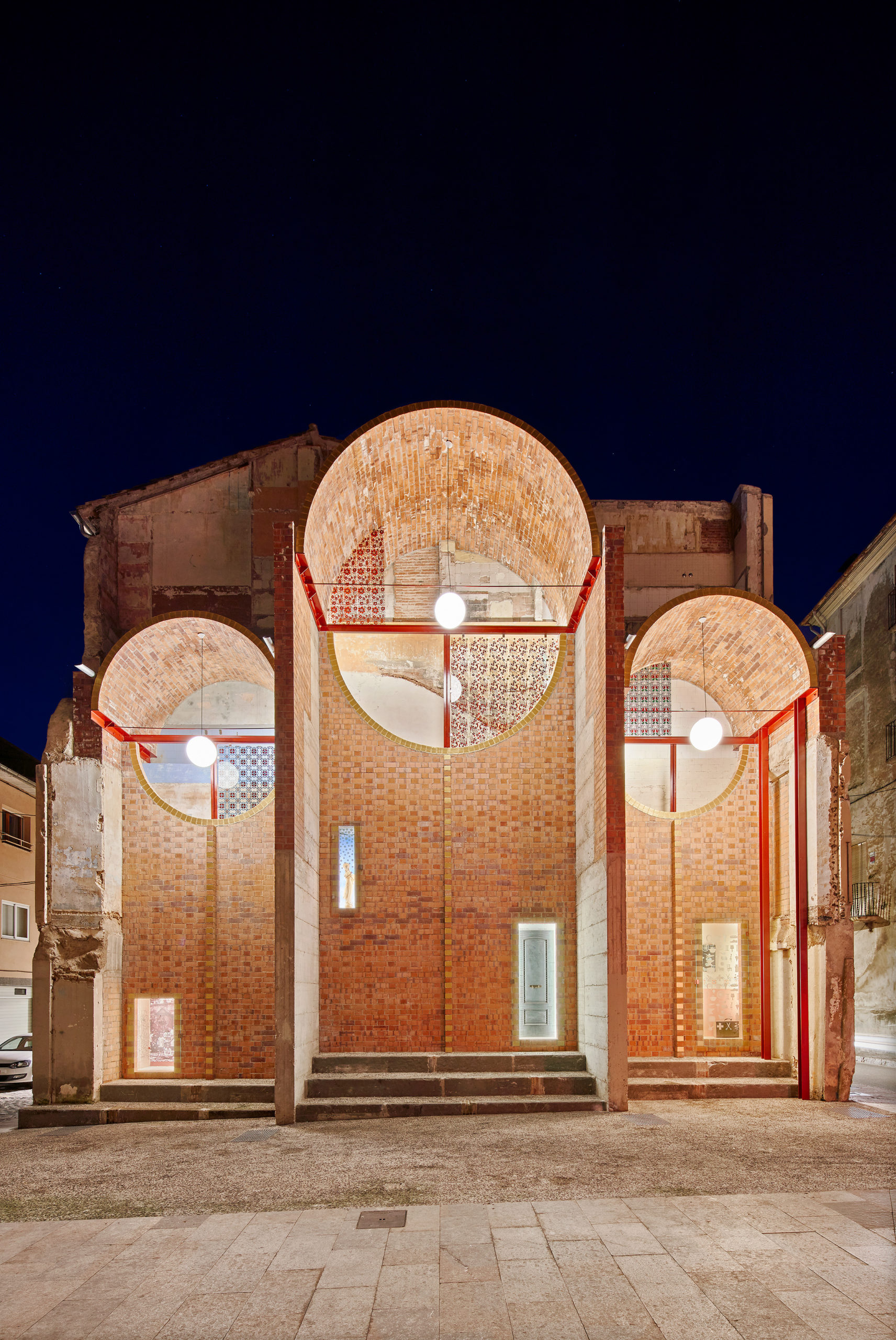
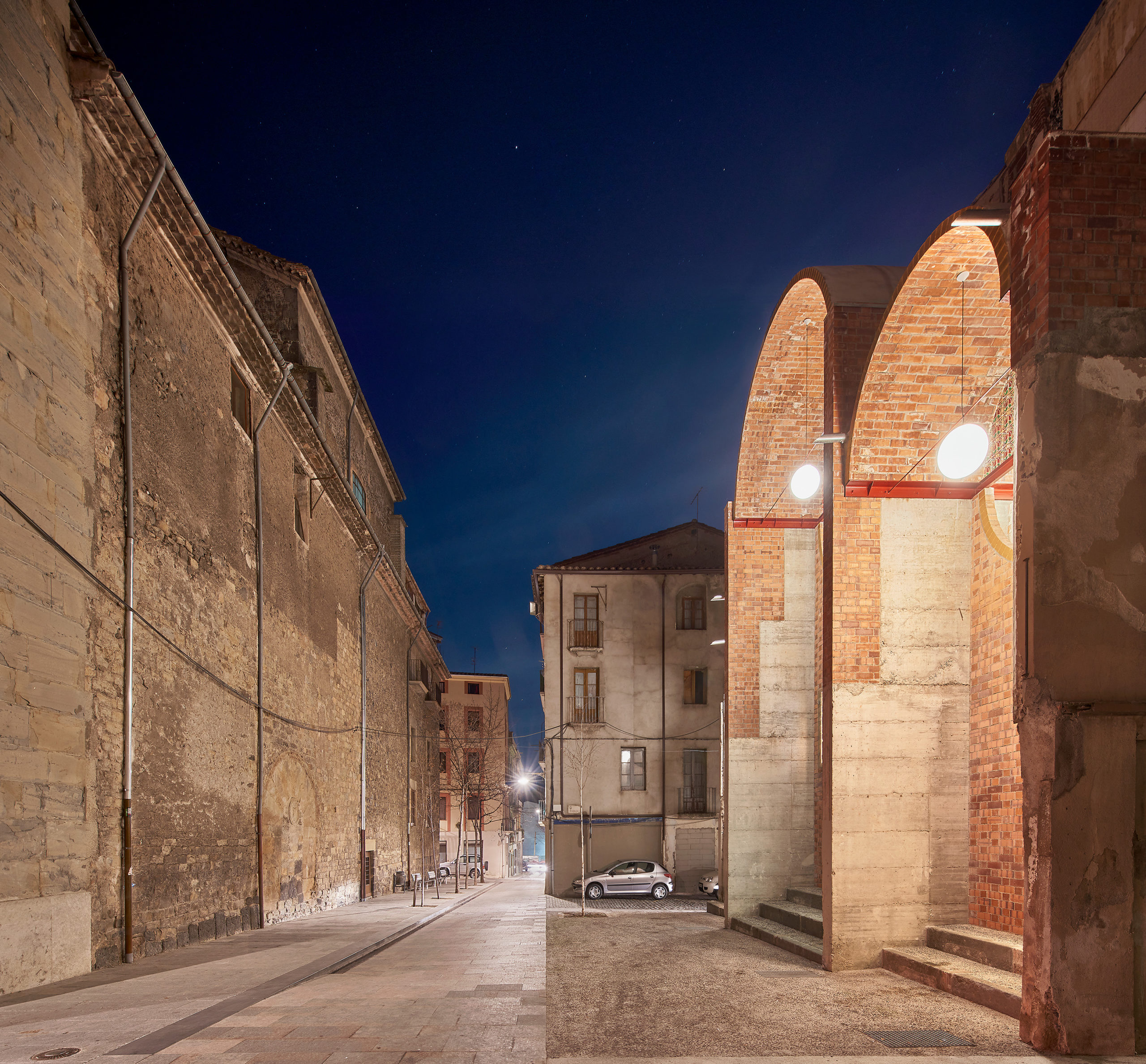
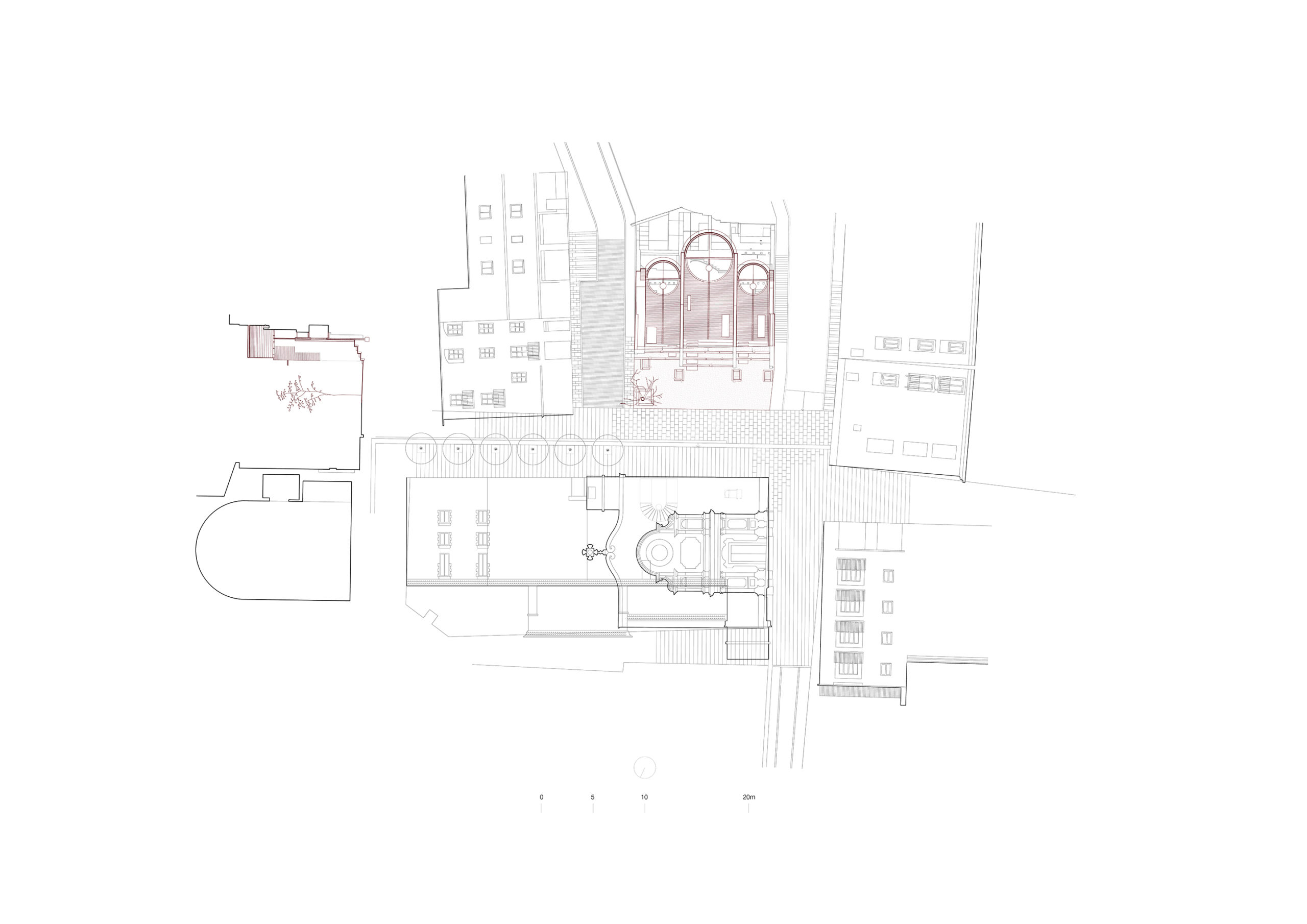
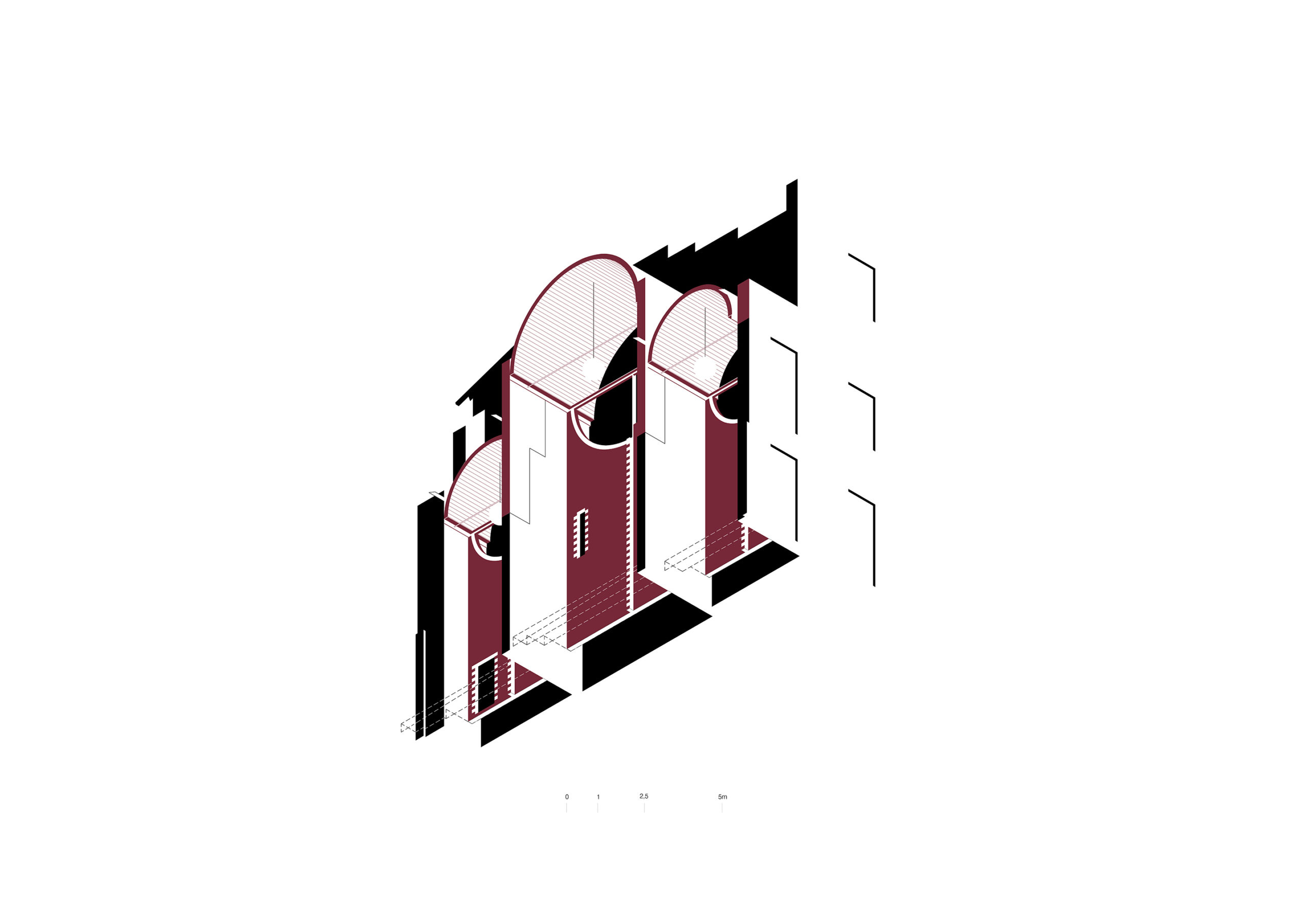
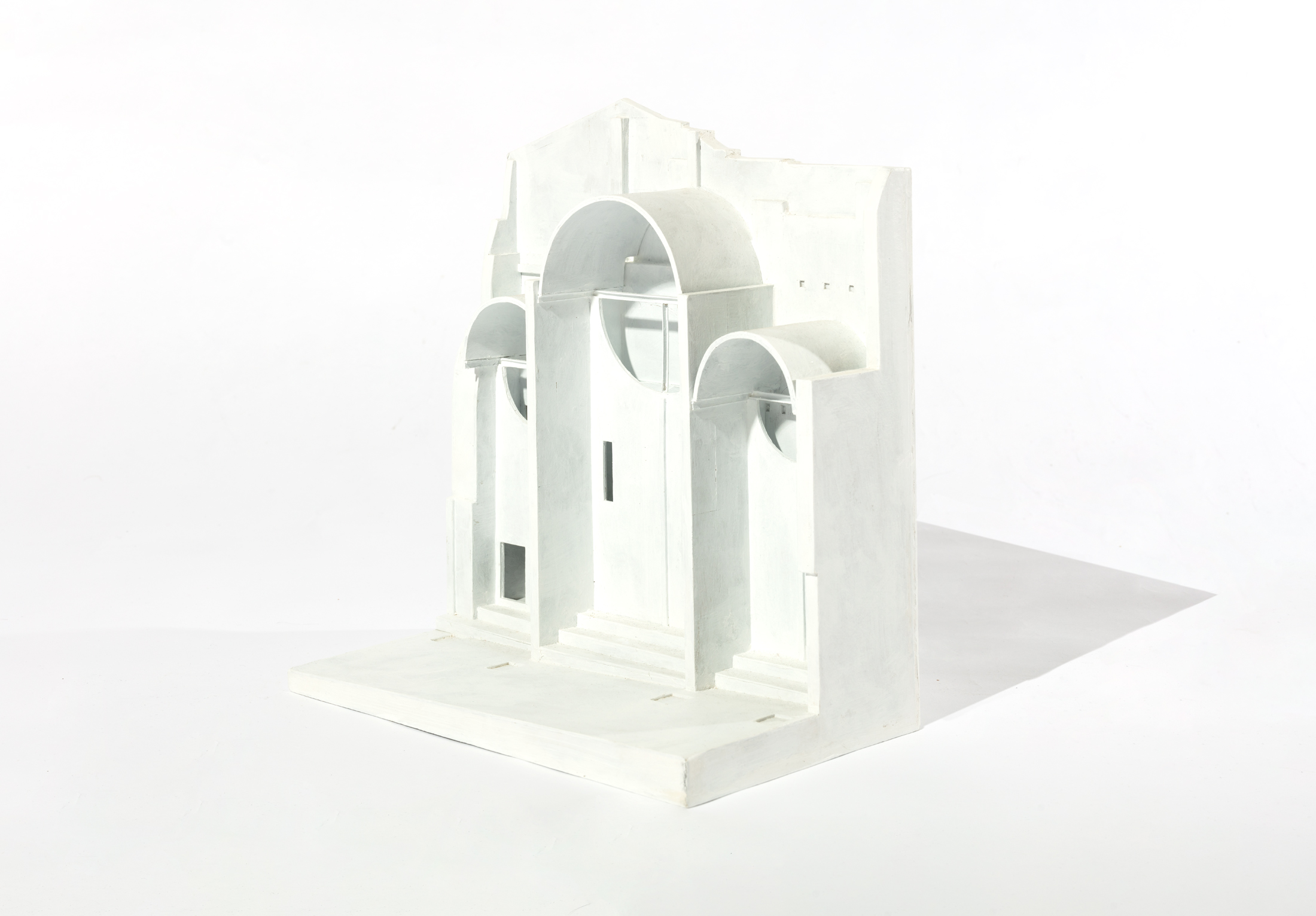
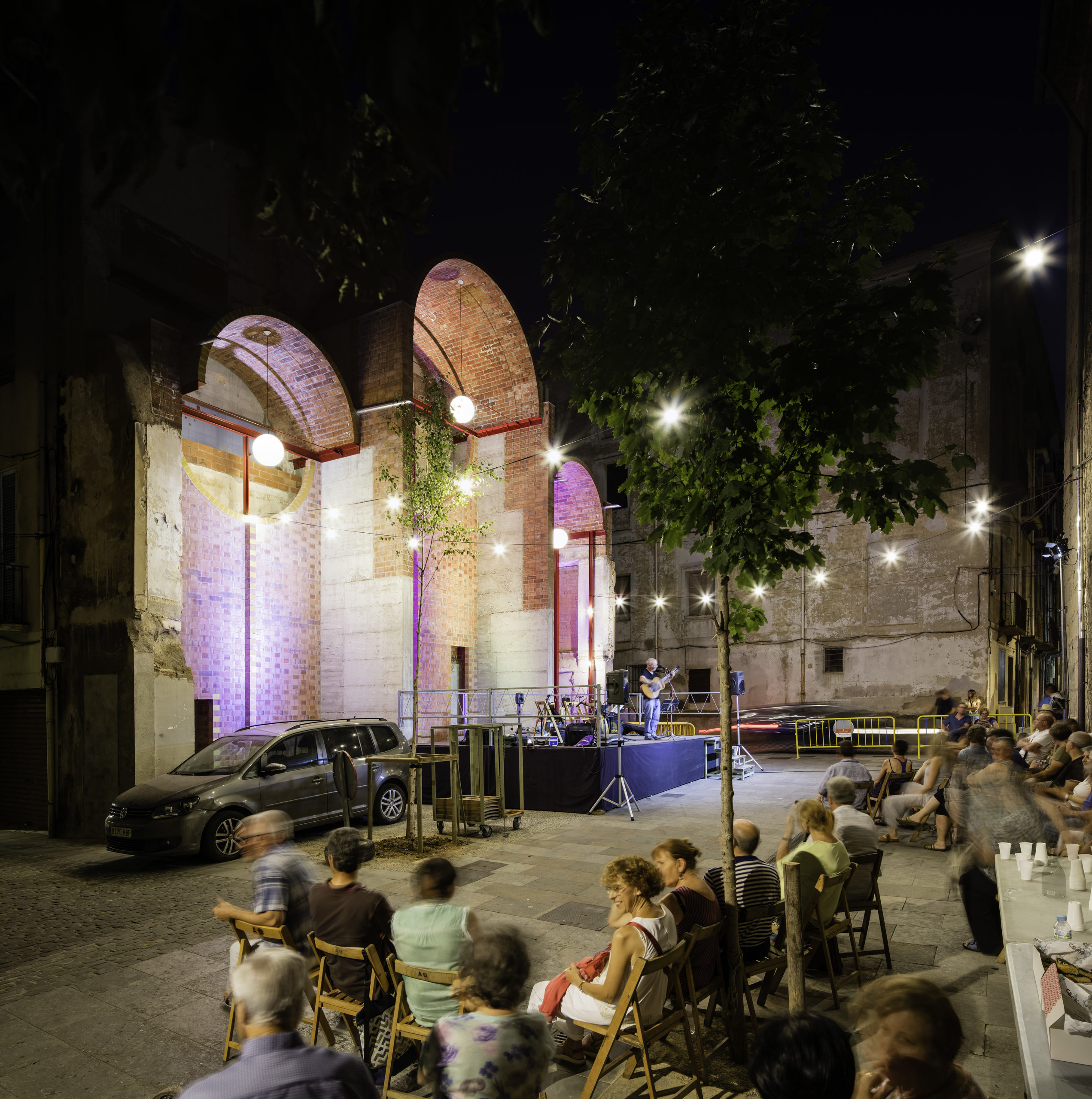
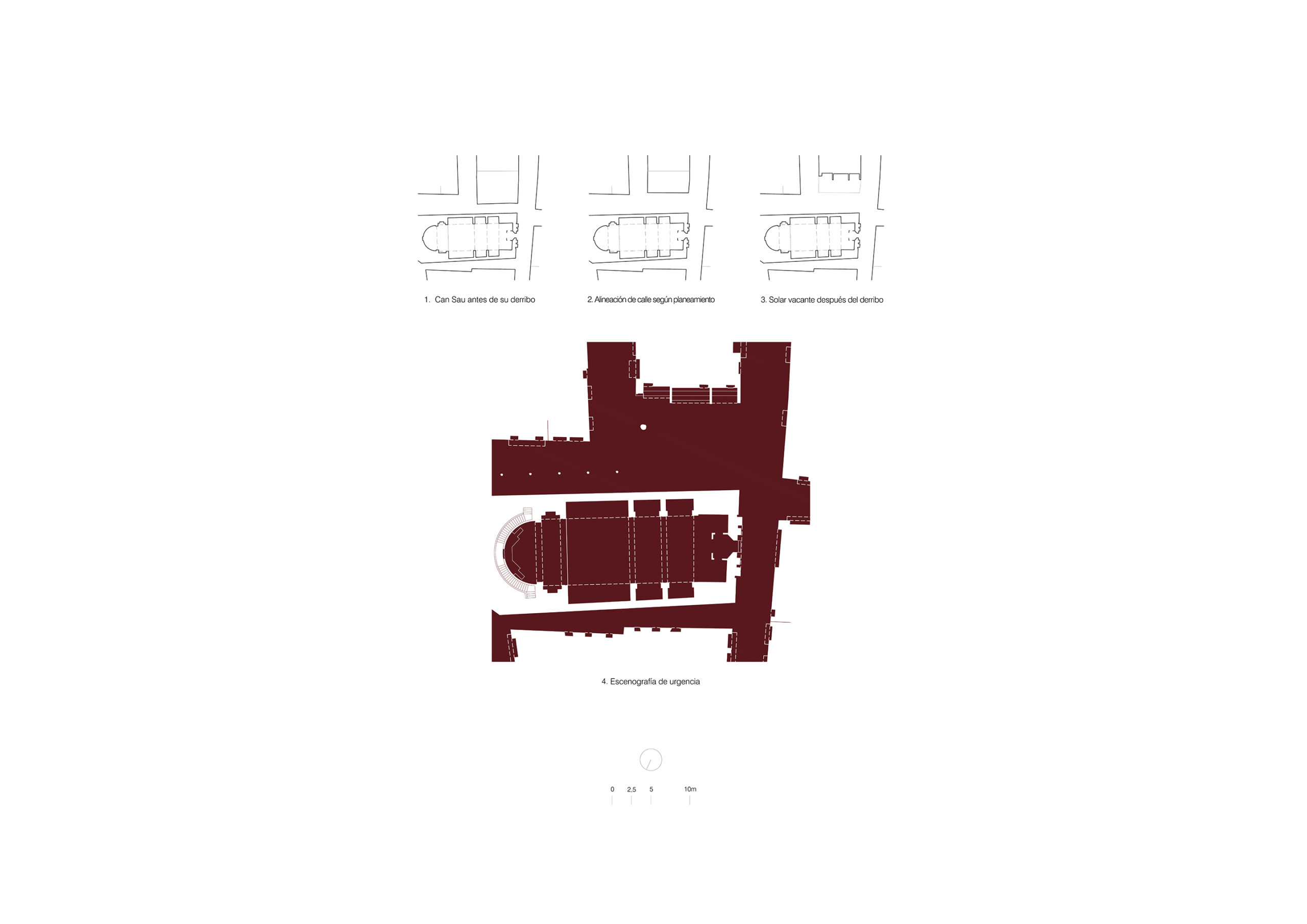
Can Sau was a residential property located within the old city centre of Olot, where nowadays it is not unusual to see vacant sites. Given that half of the building was affected by a future street alignment, it was demolished leaving an urban void characterised by a party wall and four stepped buttresses facing the side façade of the Església del Tura (local Church) dedicated to the patron saint of Olot. Resulting in an urban environment characterised by abandoned lots, loss of definition, disfigurement and the destruction of the surrounding streetscape.
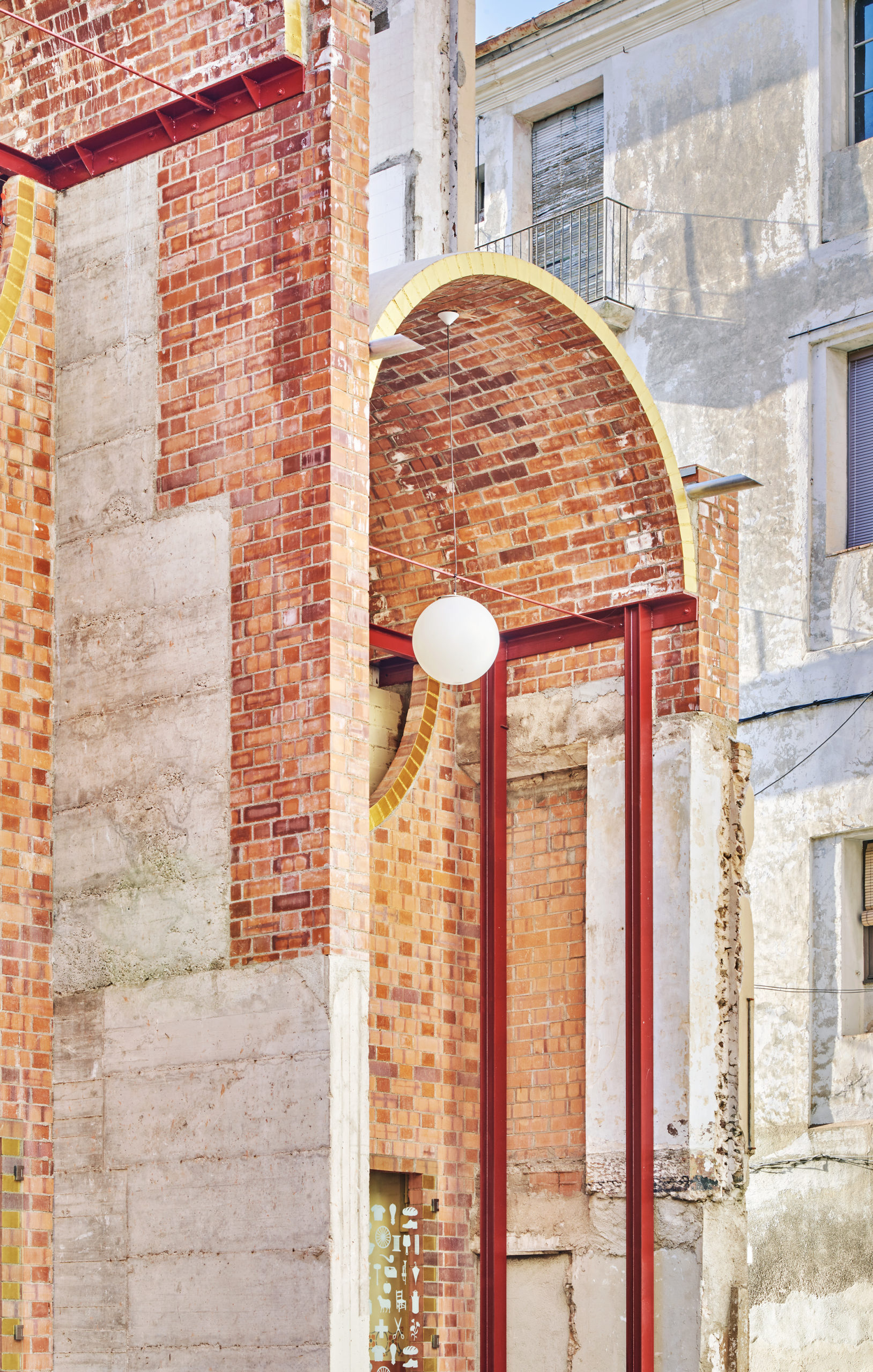
After being commissioned by the city council to come up with a new pavement treatment for the demolished site and taking advantage of an ongoing contract to provide waterproof metal cladding to the exposed buttresses, the project was reformulated. The allocation of resources to the vertical plane was considered a matter of urgency, and which apart from guaranteeing its waterproofing would lend the space a greater sense of urbanity. In a compact city like Olot the street façades shape the urban context and provide its character.
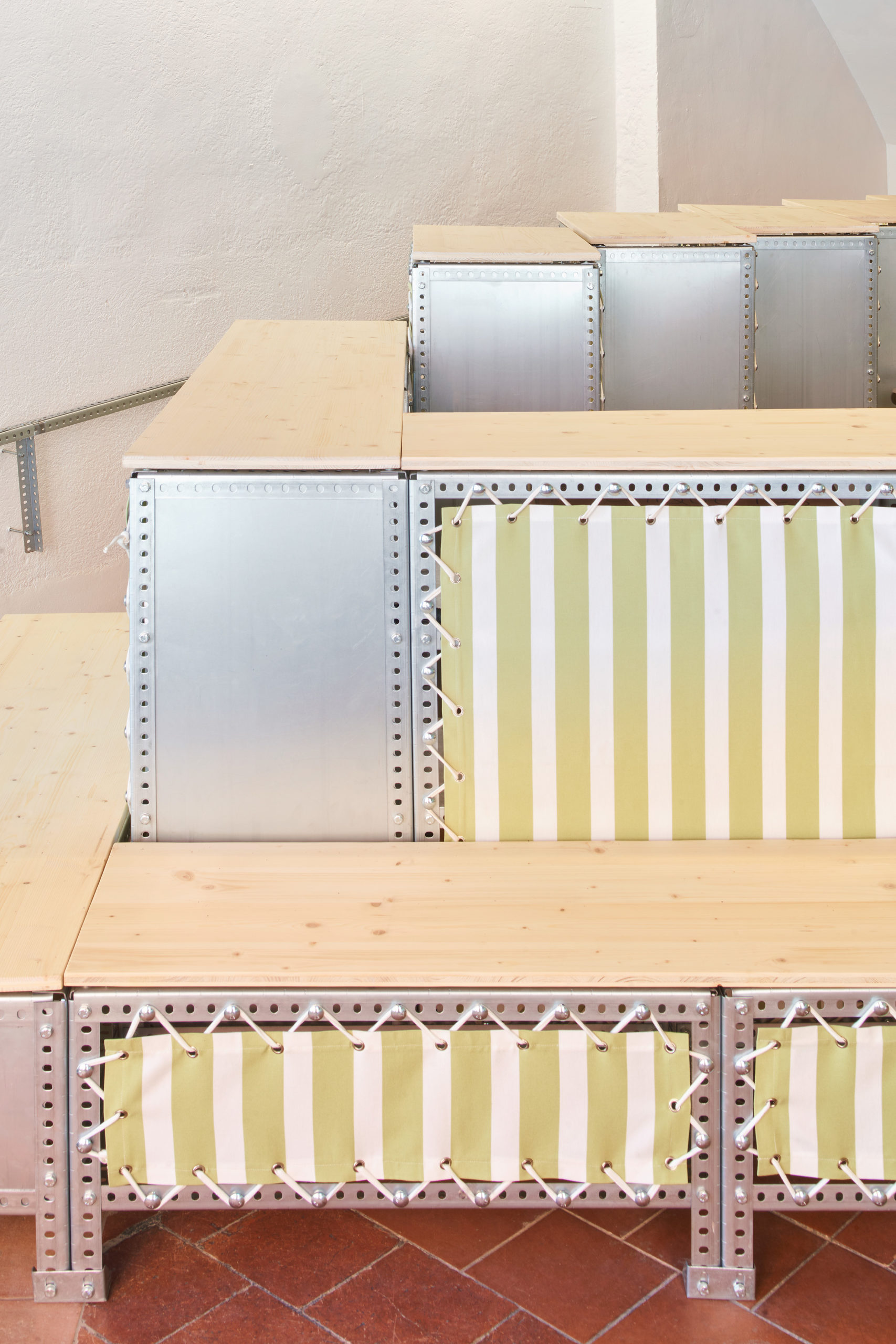
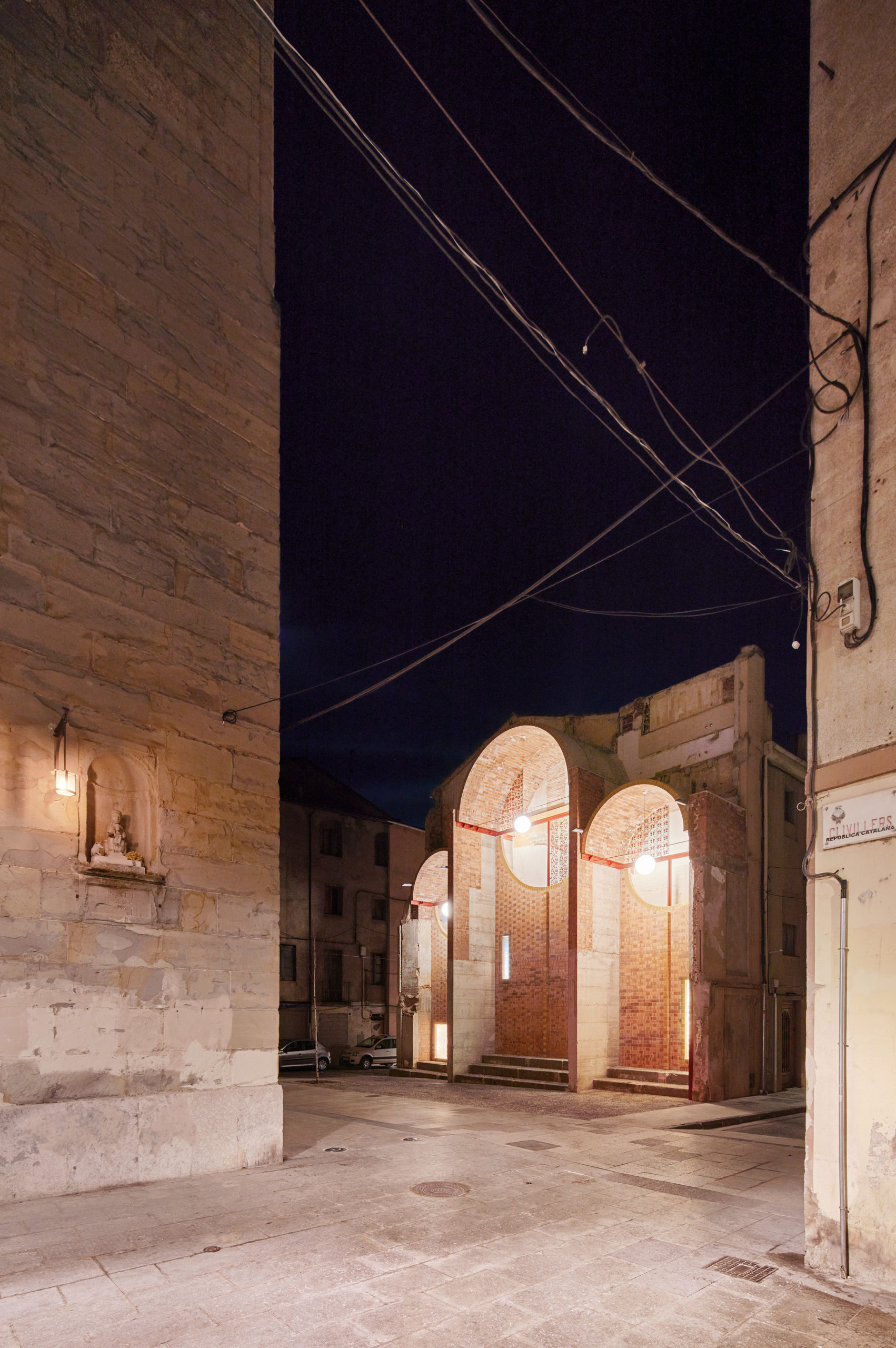
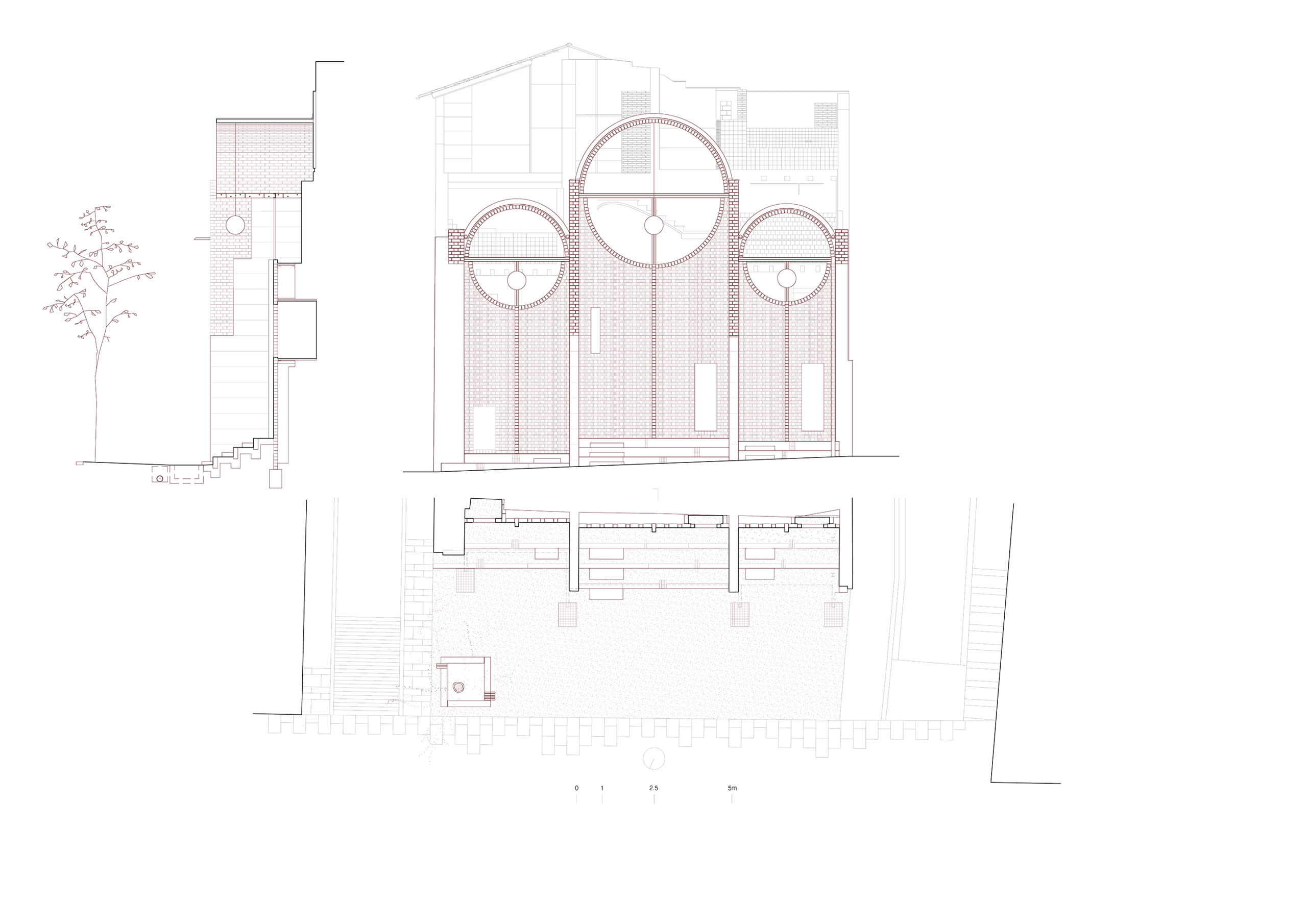
An emergency mise-en-scène employing hollow brick was constructed that completes what the raw structural buttresses suggested, revealing traces of domestic activity in the background with their imprint on the party wall. A series of three vaults and four niches is offered to the public space as a three dimensional façade, further defined by the paving treatment. It is an unfinished and versatile structure which can be adapted to situations. The visual artist Quim Domene carried out a number of interventions a posteriori within the niches, with elements allegorical to the history of the neighbourhood.
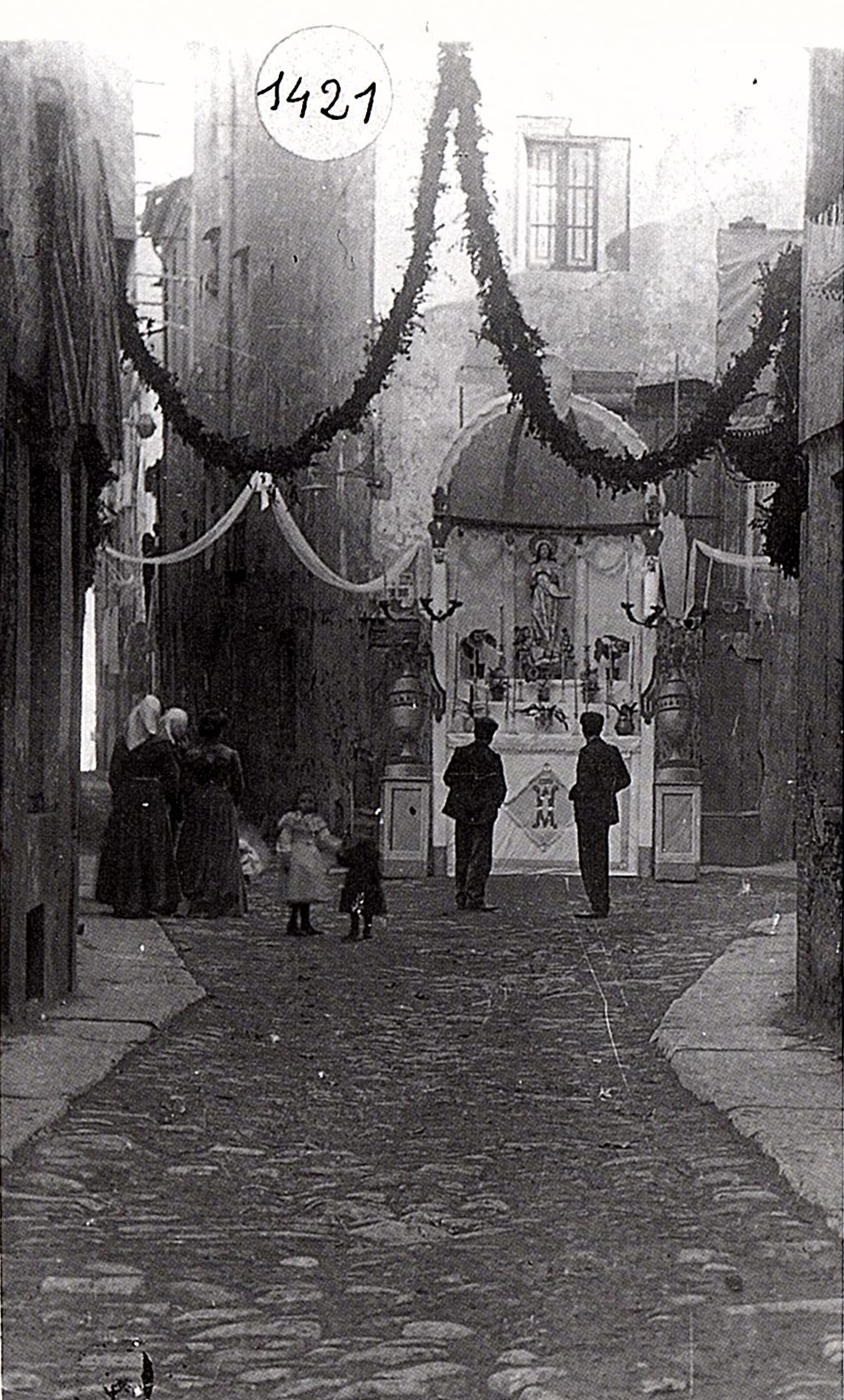
The Tura church, confined between narrow streets, now has a public space to its lateral façade, presided over by the closed-off door dating from the previous temple of the XV Century.
Situation
Can Sau. Valls Nous, 1. 17800 Olot
42.182175, 2.491457
Coauthors
Quim Domene
Team
Clàudia Calvet, Xevi Rodeja
Sara Palmada, Sergi Jiménez
Structural Design
Amaia López
Artistic intervention
Quim Domene
Promoter
Olot town hall
Constructor
Construo Construccions Generals, Tallers Casoal, Construccions Martí Canal, Cristalleries Olot
Images
José Hevia, Roger Serrat-Calvó (11/19), Esteve Moner, 1904 – Arxiu Comarcal de la Garrotxa. Col·lecció d’imatges de Josep Ma. Dou Camps (4/19)
Video
Un Parell d’Arquitectes, Martí Pellicer. Special collaboration with the actors of Projecte T
Surface
113 m²
Project and construction dates
2018 / 2018 – 2019
Awards
2021. Awarded Iberoamerican Biennial of Architecture and Urbanism
2020. Awarded Architectural Awards of the Counties of Girona
2018. Awarded Living Places – Simon Architecture Prize
2021. Second prize El Temps de les Arts
2021. Bronze Award Fritz Höger Award for Brick Architecture
2021. Finalist AR Emerging Architecture Awards
2021. Finalist Architectural Heritage Intervention Prize
2021. Finalist Gubbio Prize
2021. Finalist International Urban Project Award
2021. Selected Catalonia Construction Awards
2021. Selected Rosa Barba Landscape Architecture International Prize
Fontada
Fountains of Sant Roc, Olot, 2020
With Clàudia Calvet, Xevi Rodeja
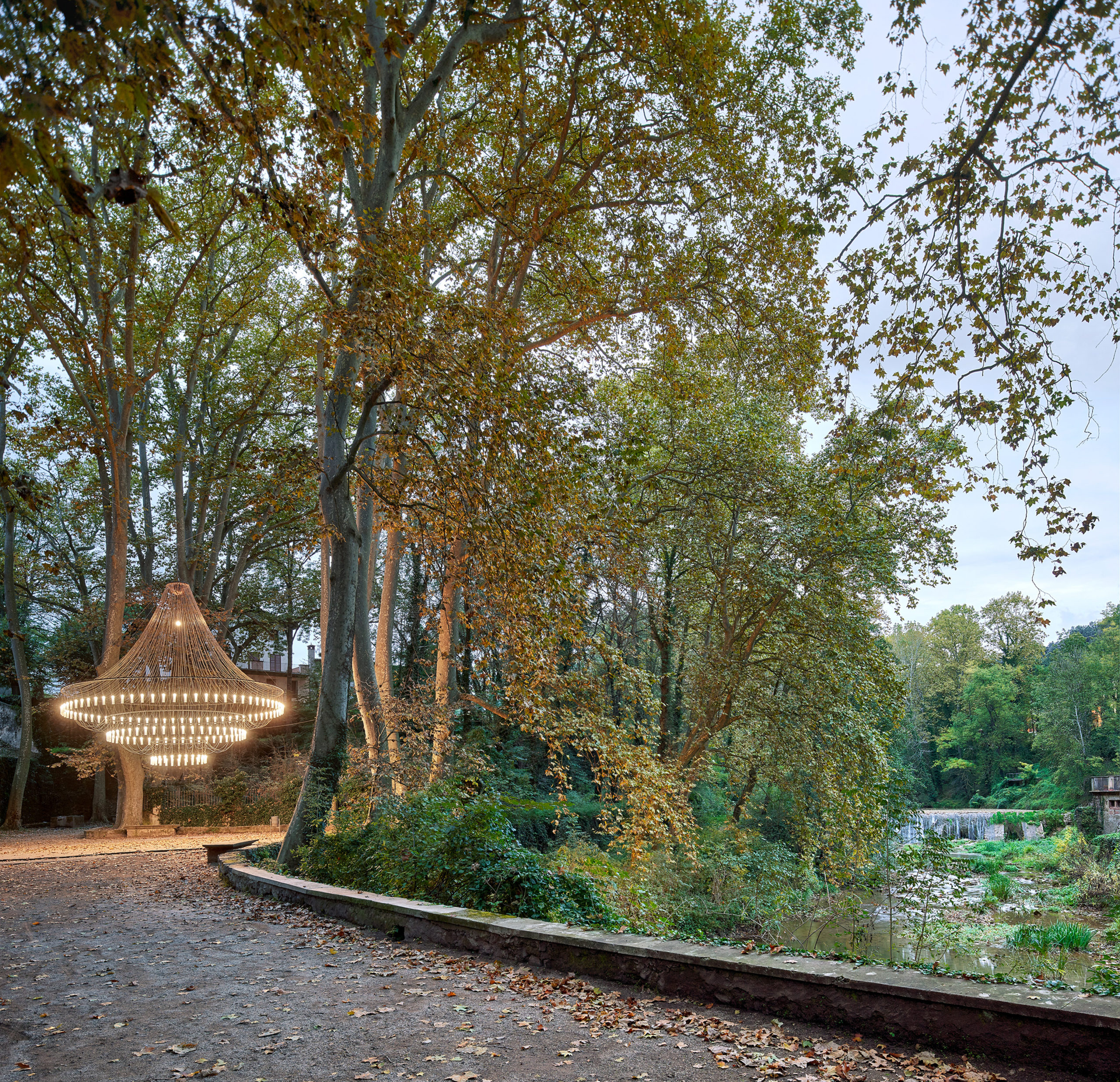
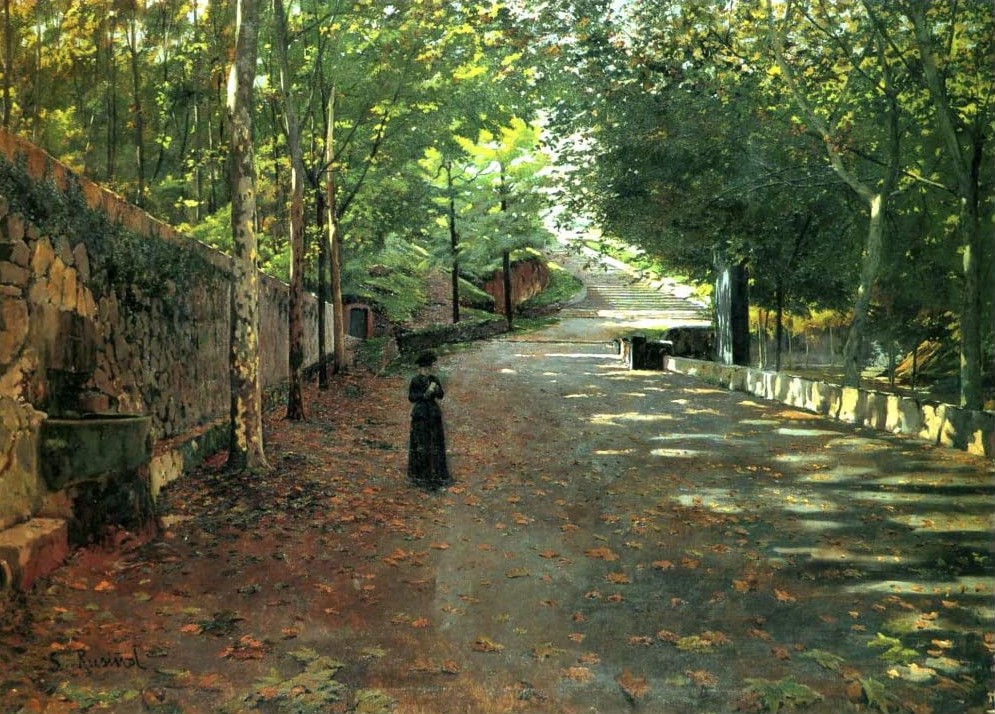
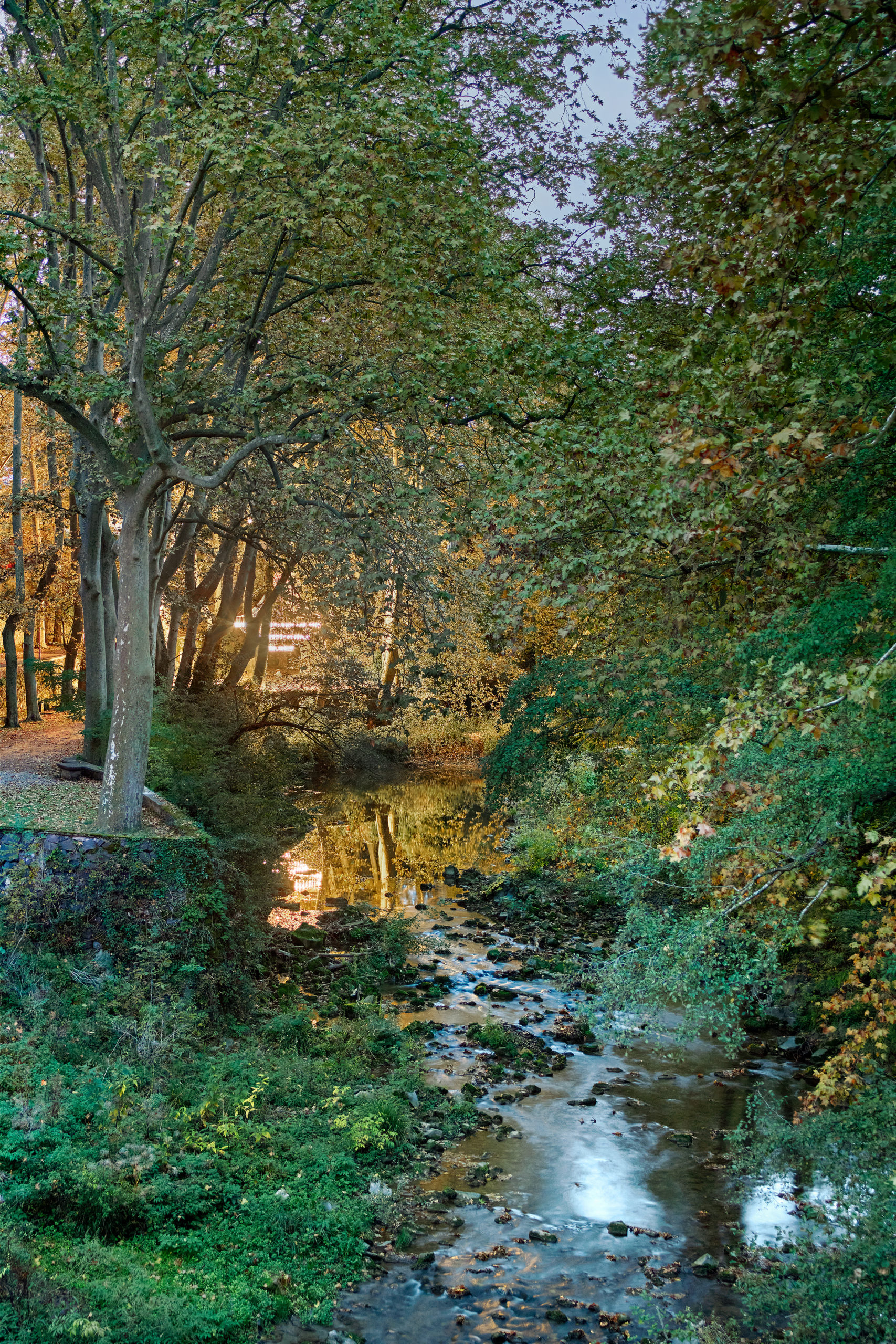
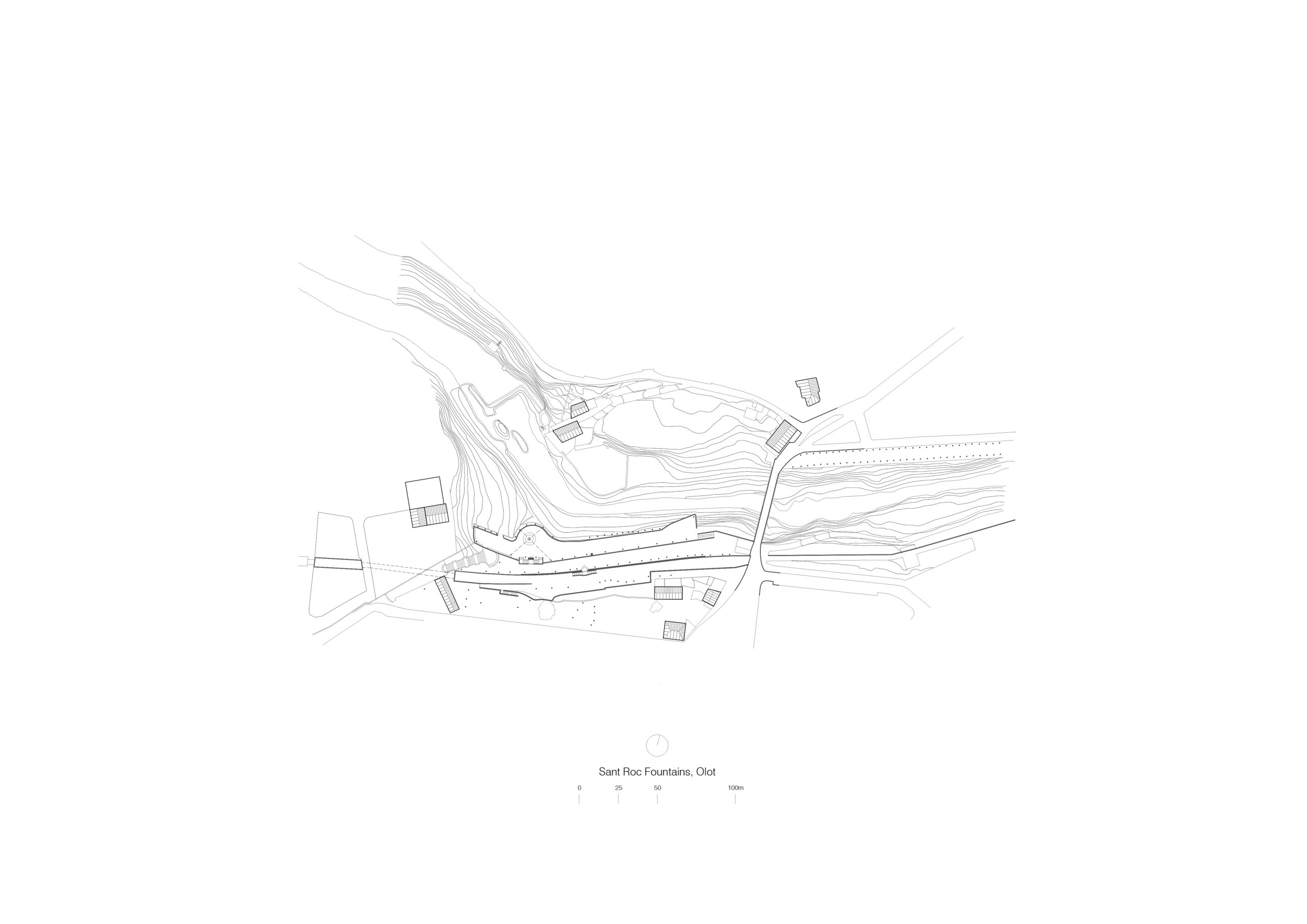
Three volcanic-stone terraces and rows of plane trees shape one of Olot’s best public spaces: the fountains of Sant Roc. It is a damp, shady and cool spot, accompanied by the river and murmuring of the water. It is a wonderful solution for the border between the urban fabric and the natural environment and, paradoxically, is an infrastructure designed for water catchment, bridges and railways.
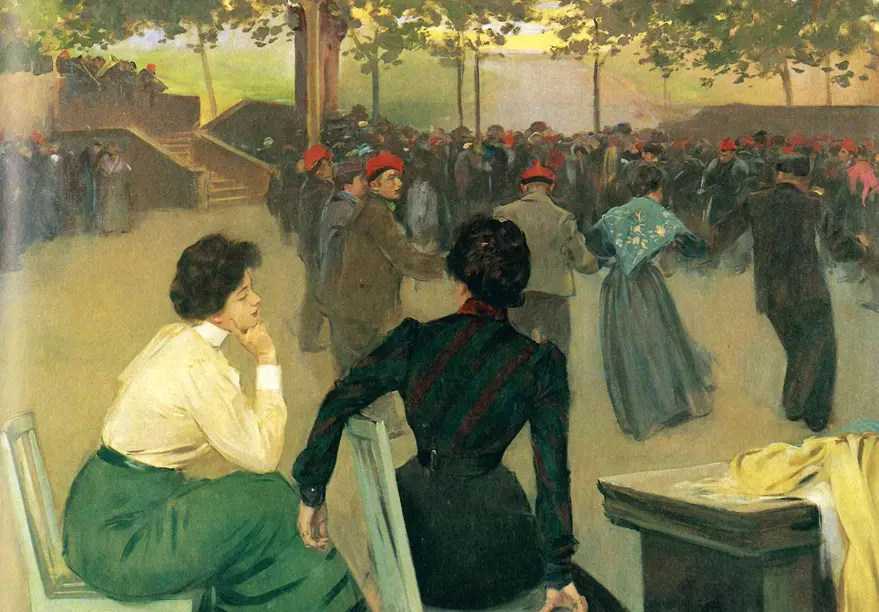
These types of places change their character depending on whether you visit them alone or in a group. They are spaces open to nature, albeit maintaining a somewhat urban feel, appropriate for solitary and contemplative walks. In parallel, they can host large-scale celebrations around the fountain – fontadas – such as parties, picnics and concerts. This duality is illustrated by contemporary paintings by Santiago Rusiñol and Ramon Casas.
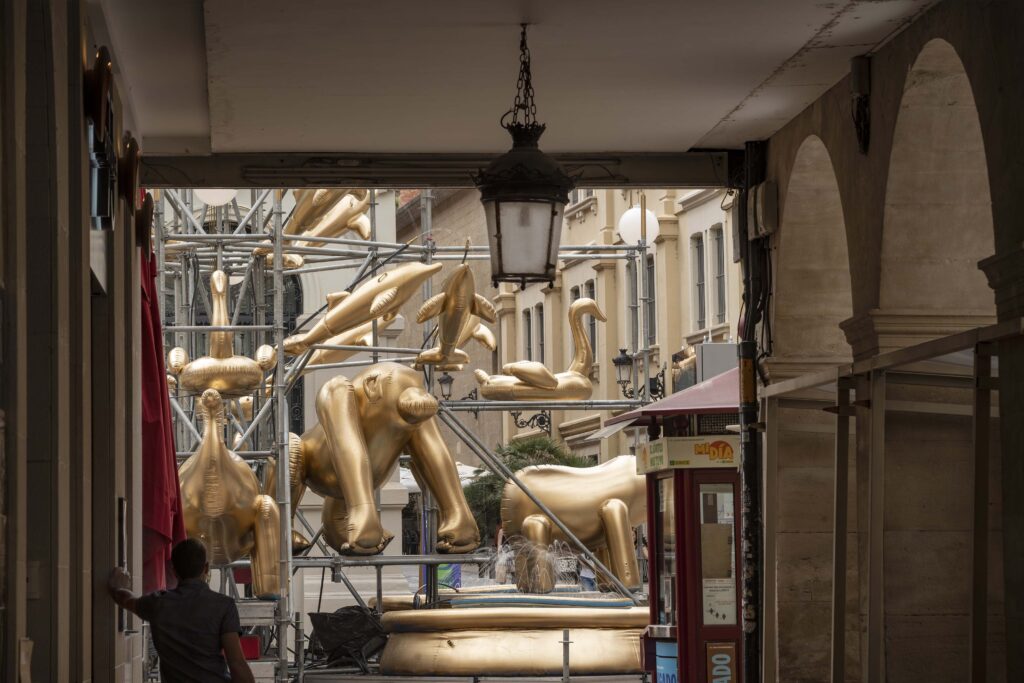
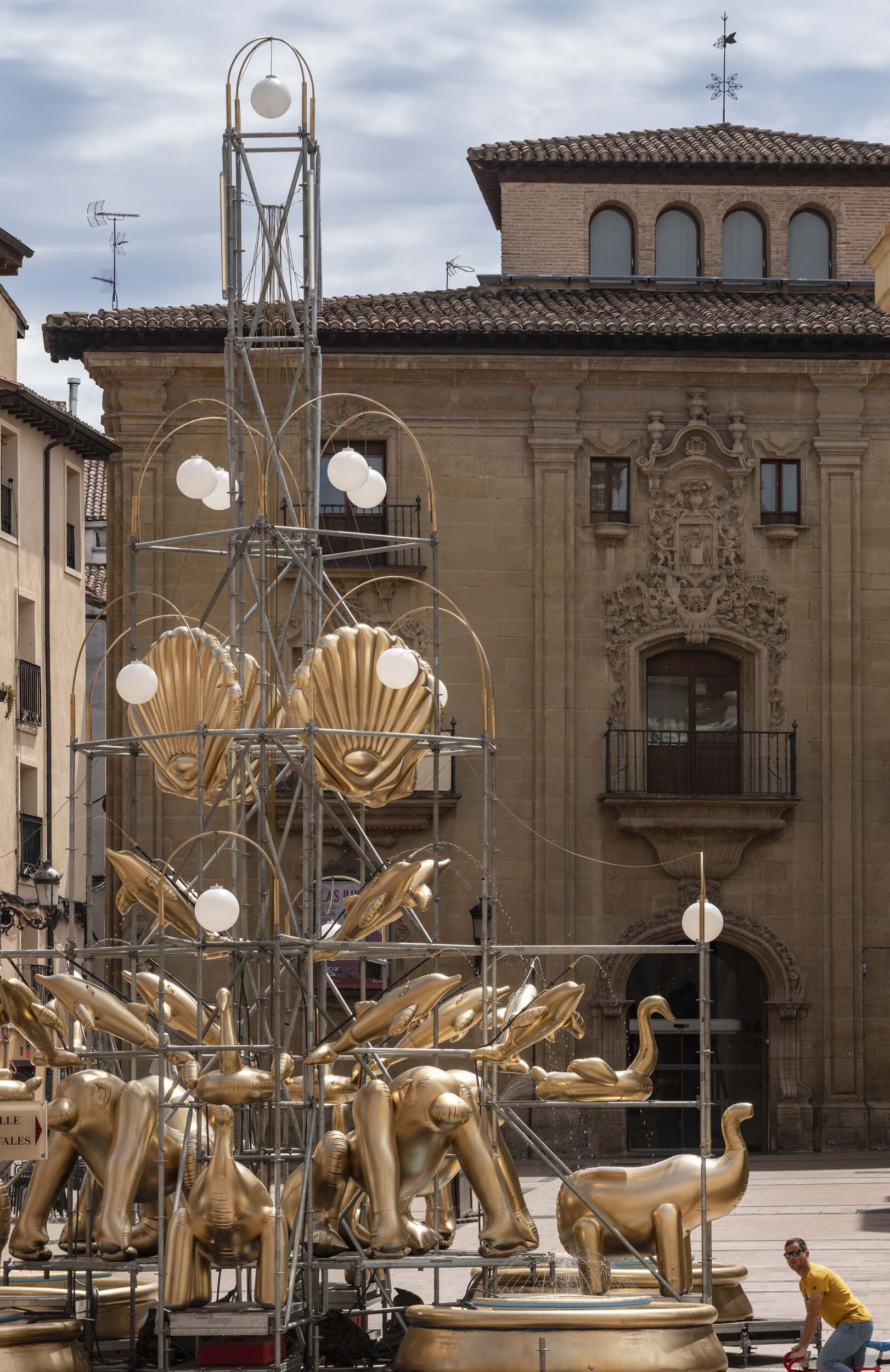
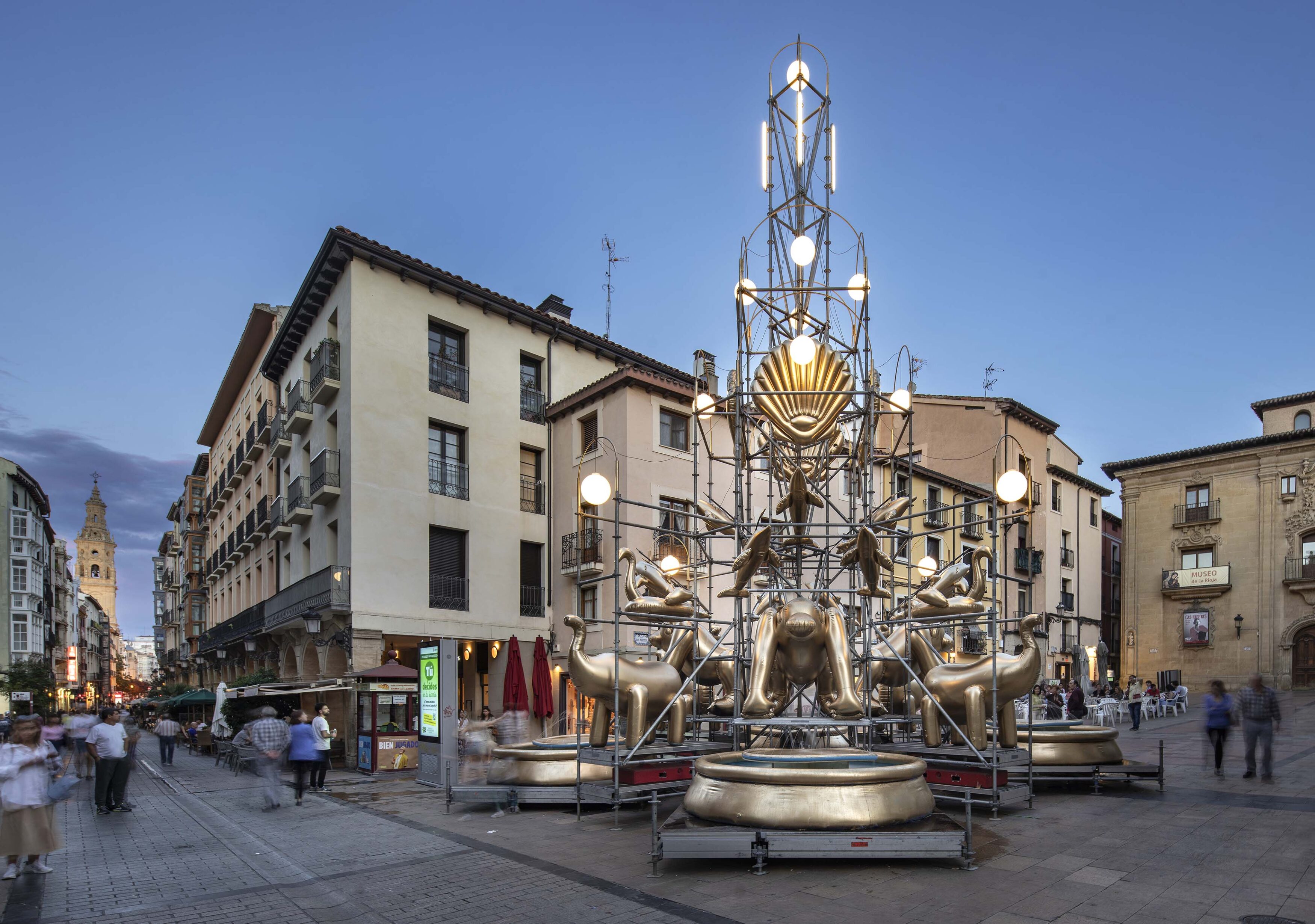
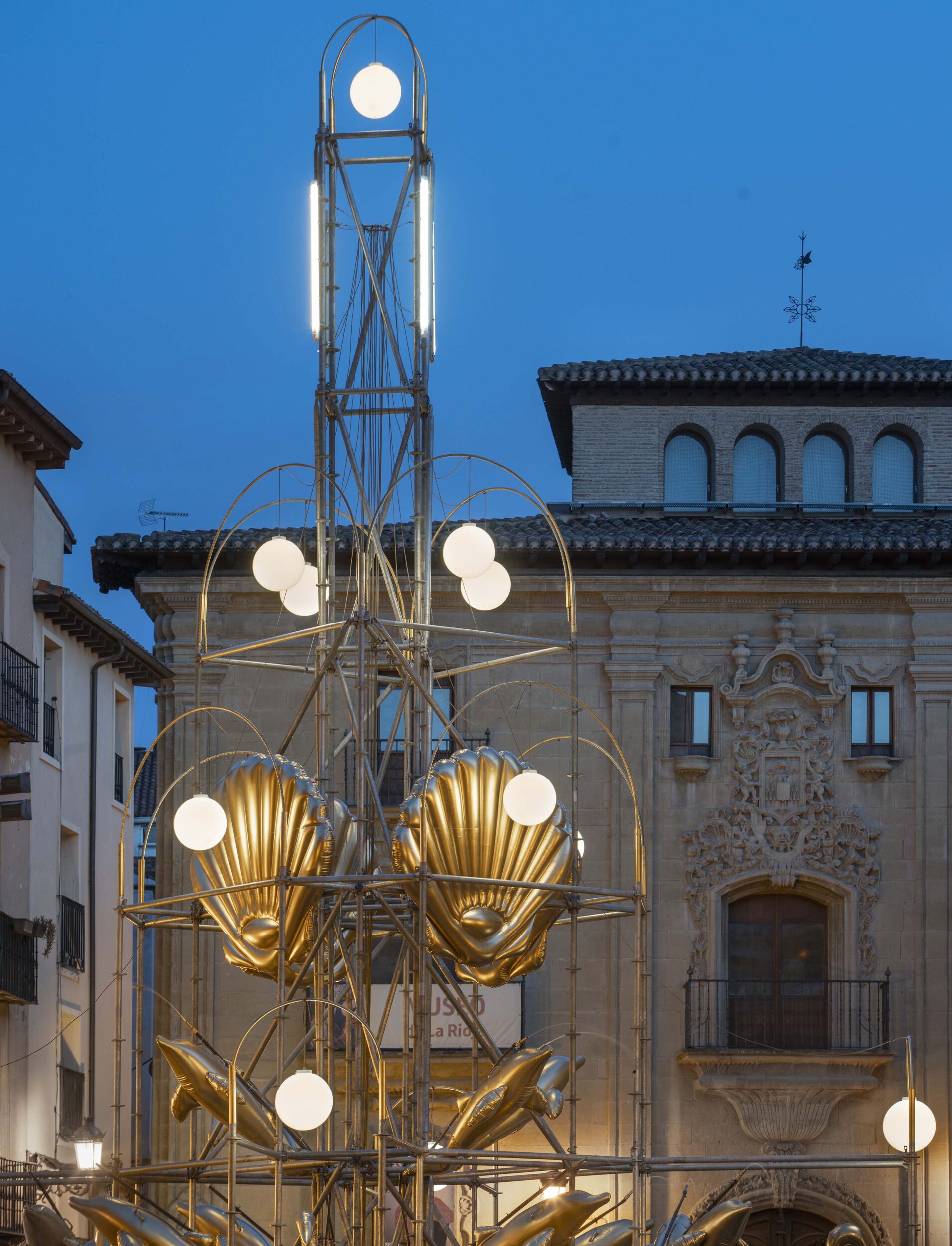
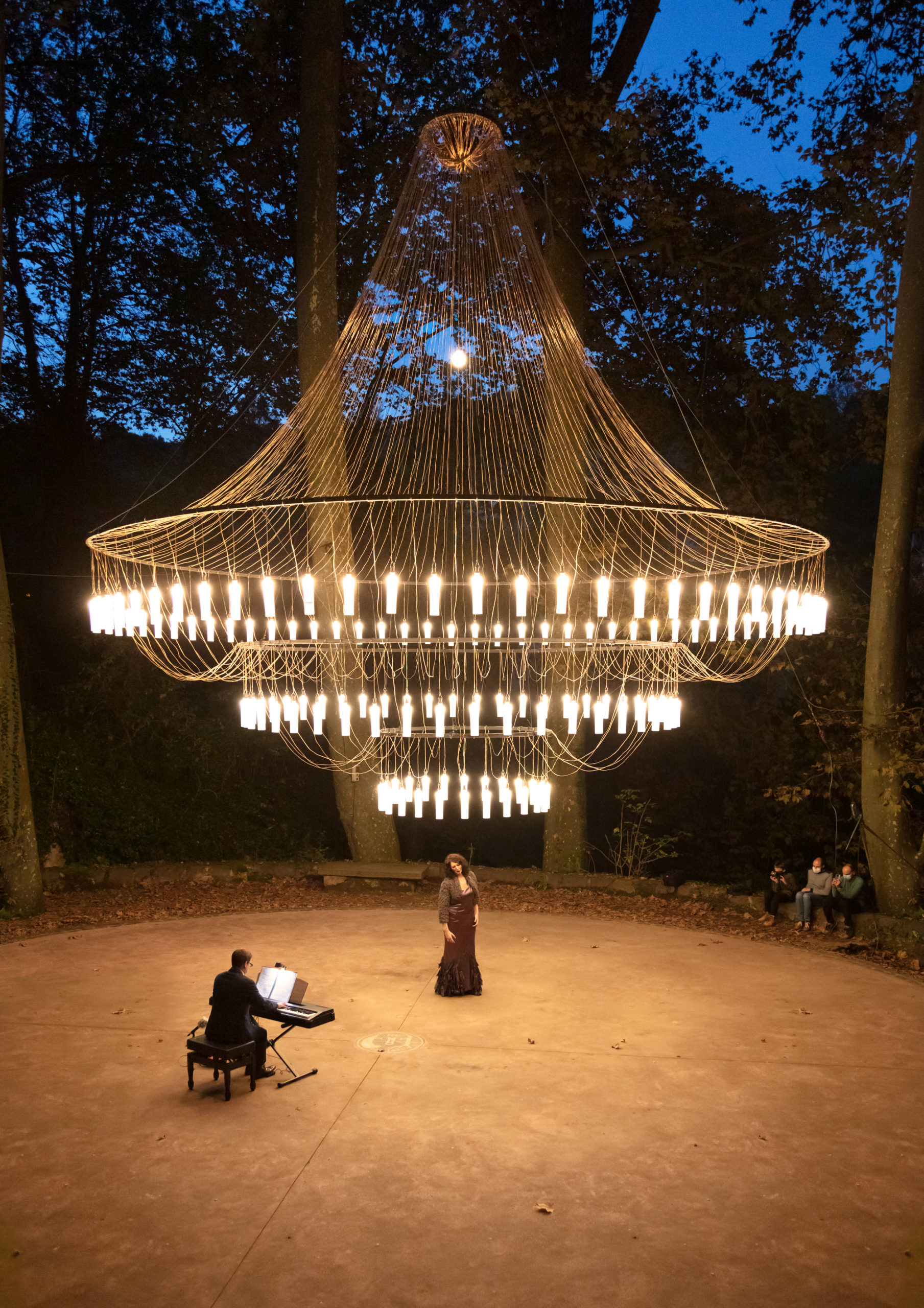
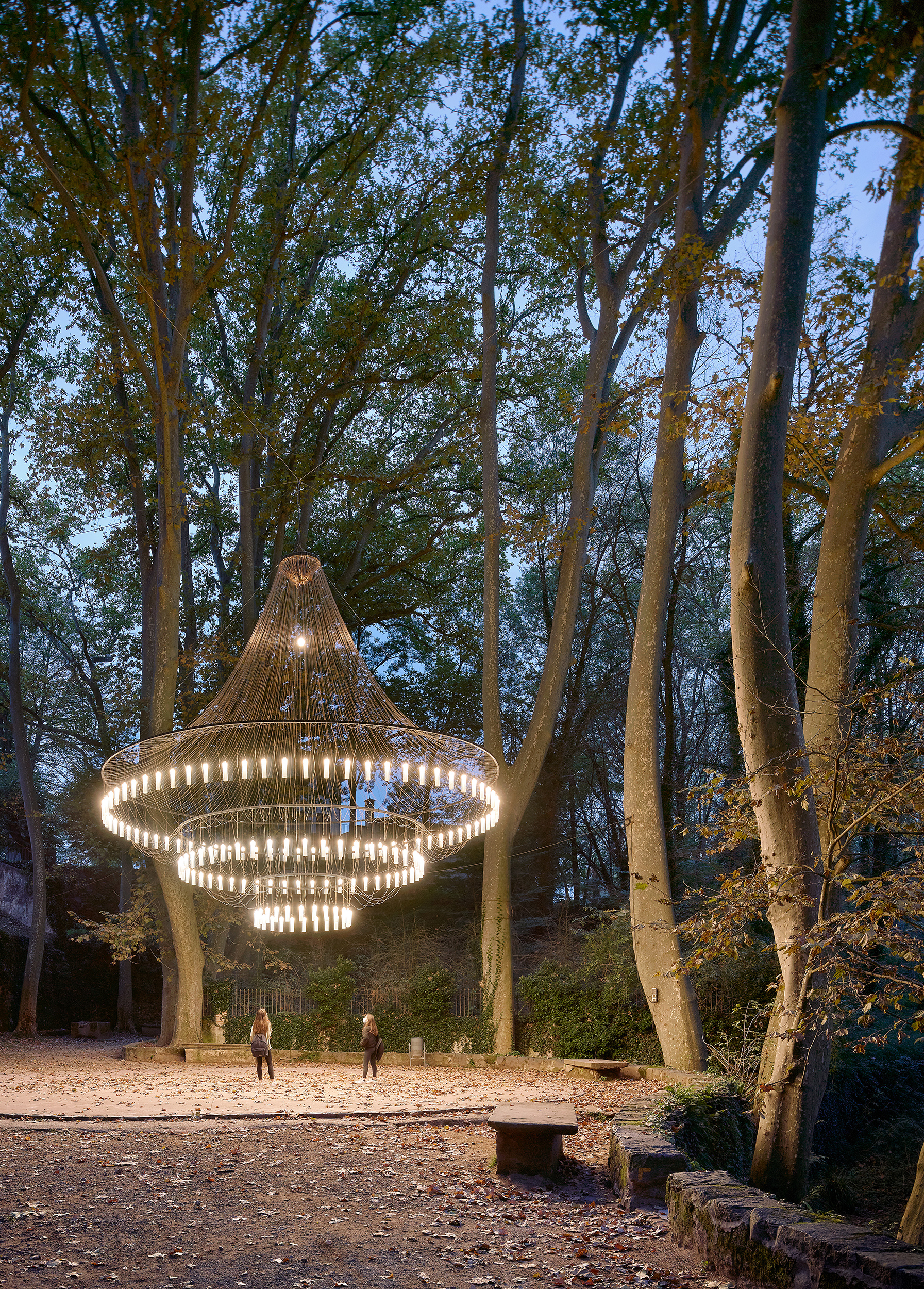
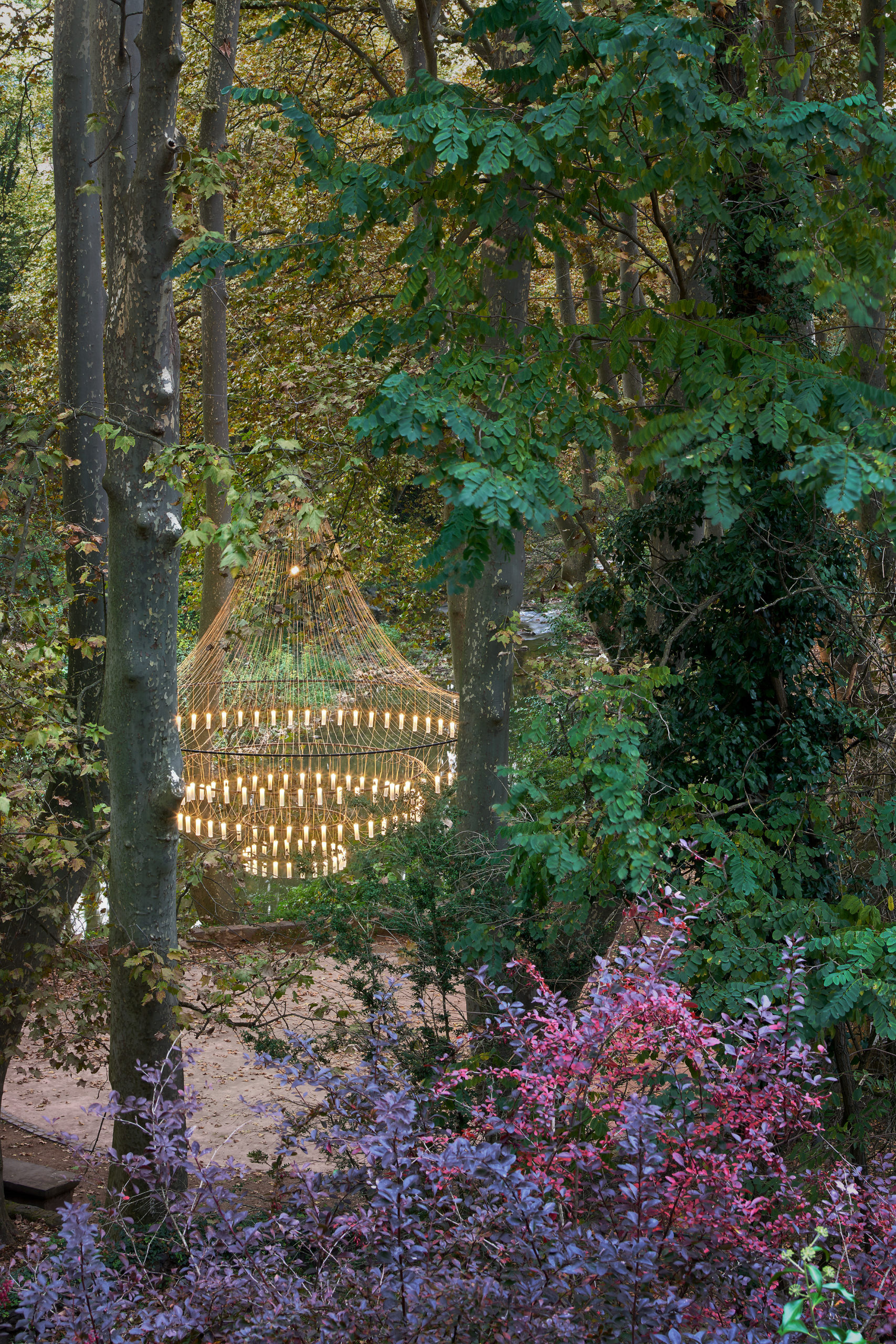
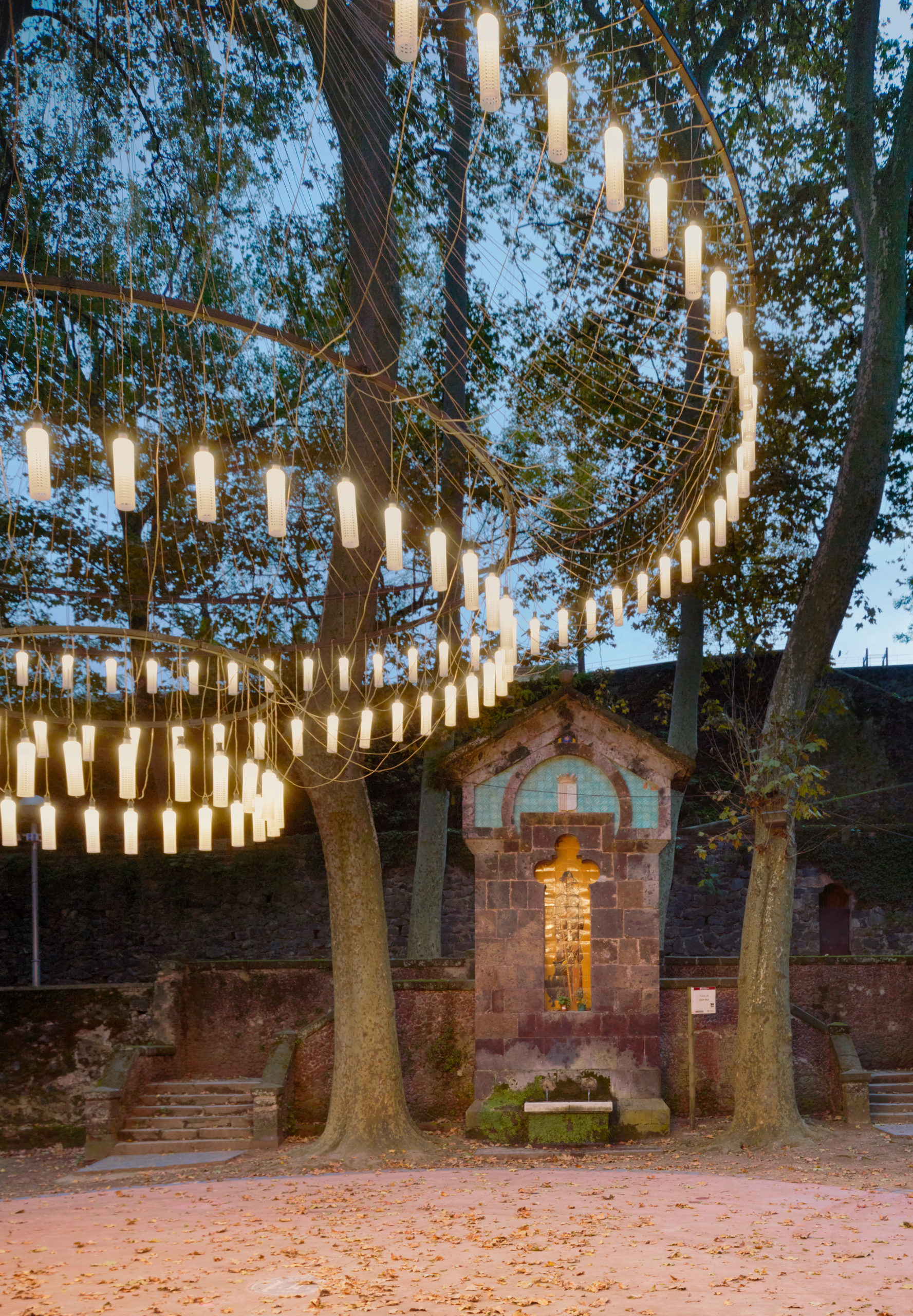
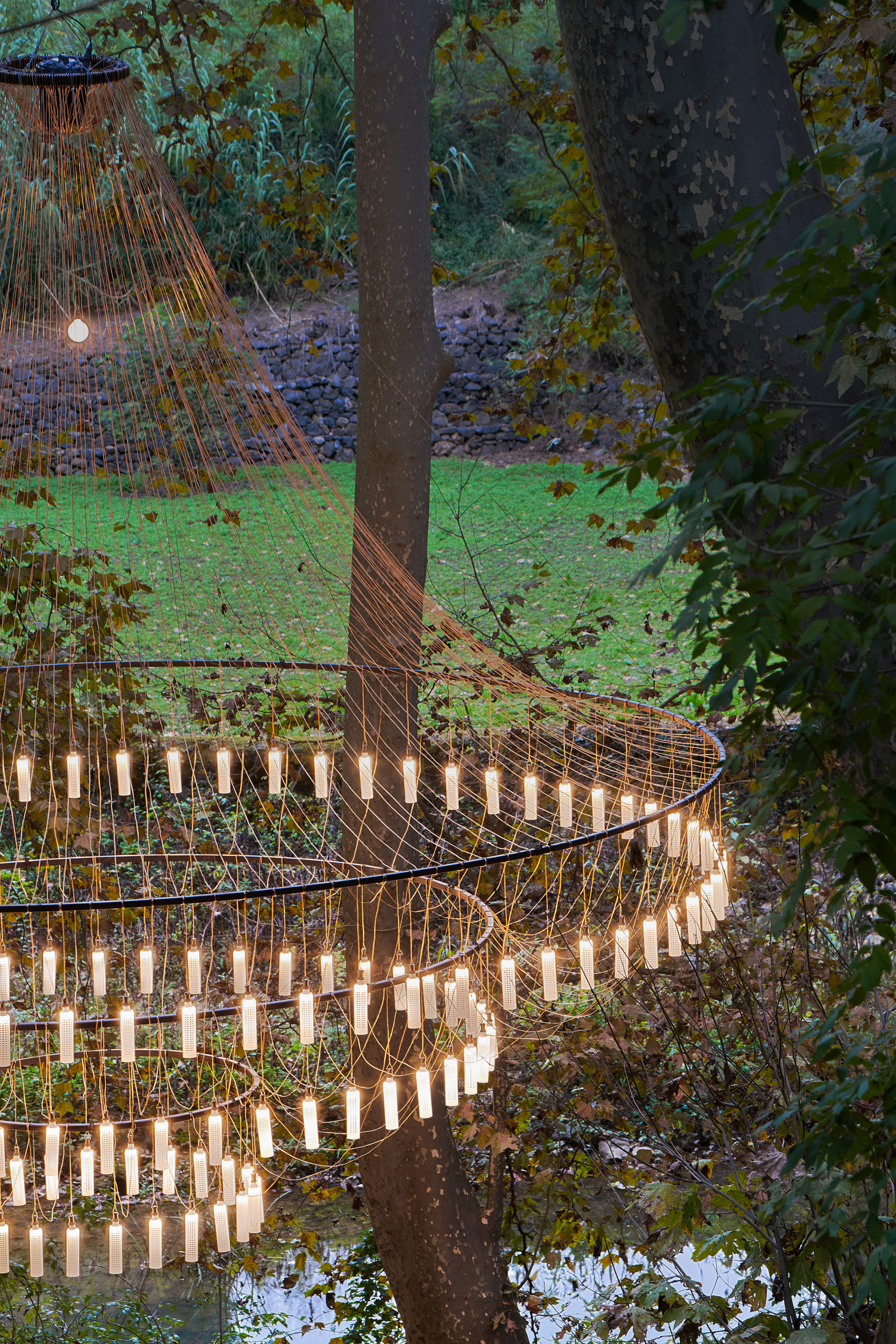
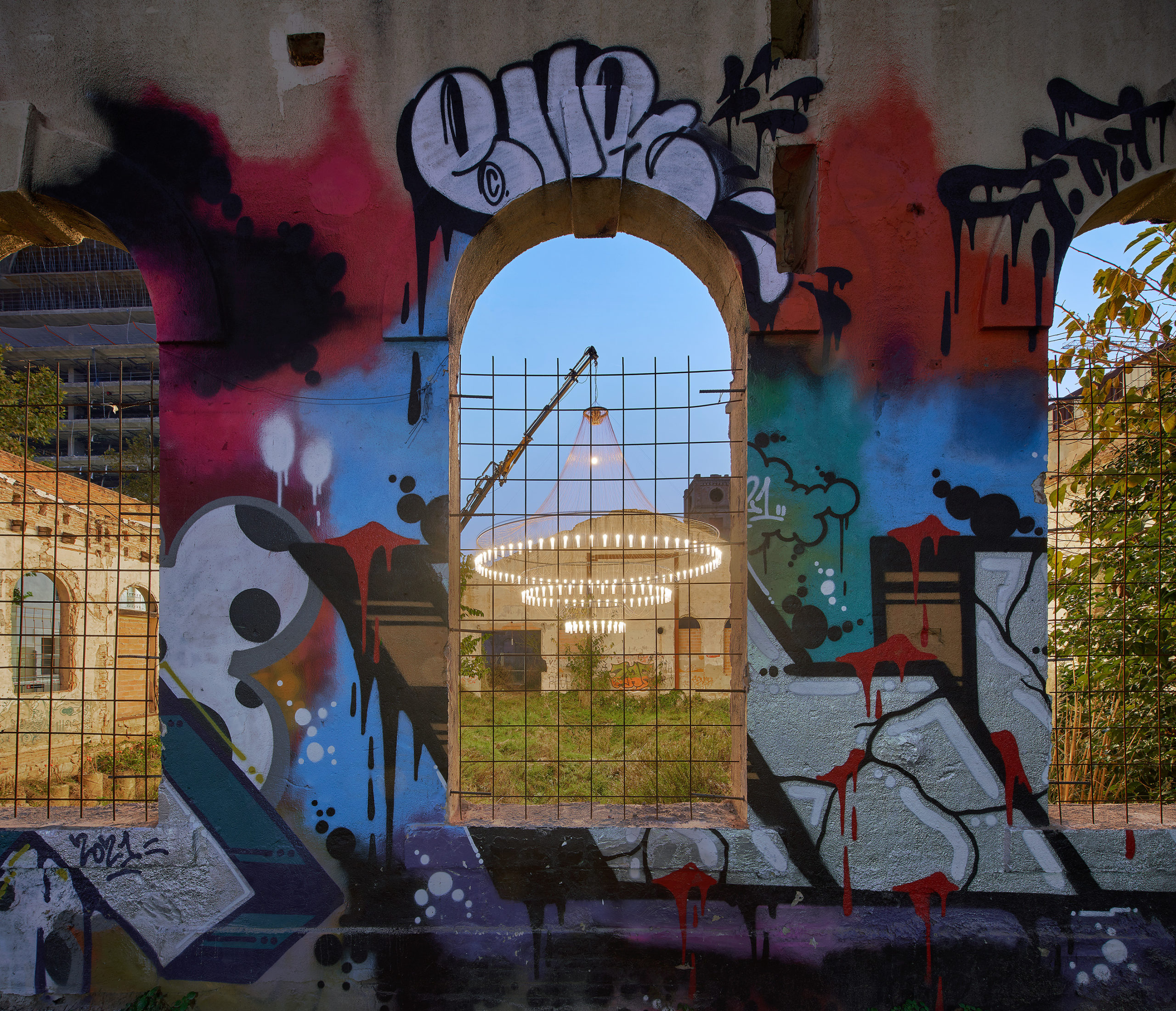
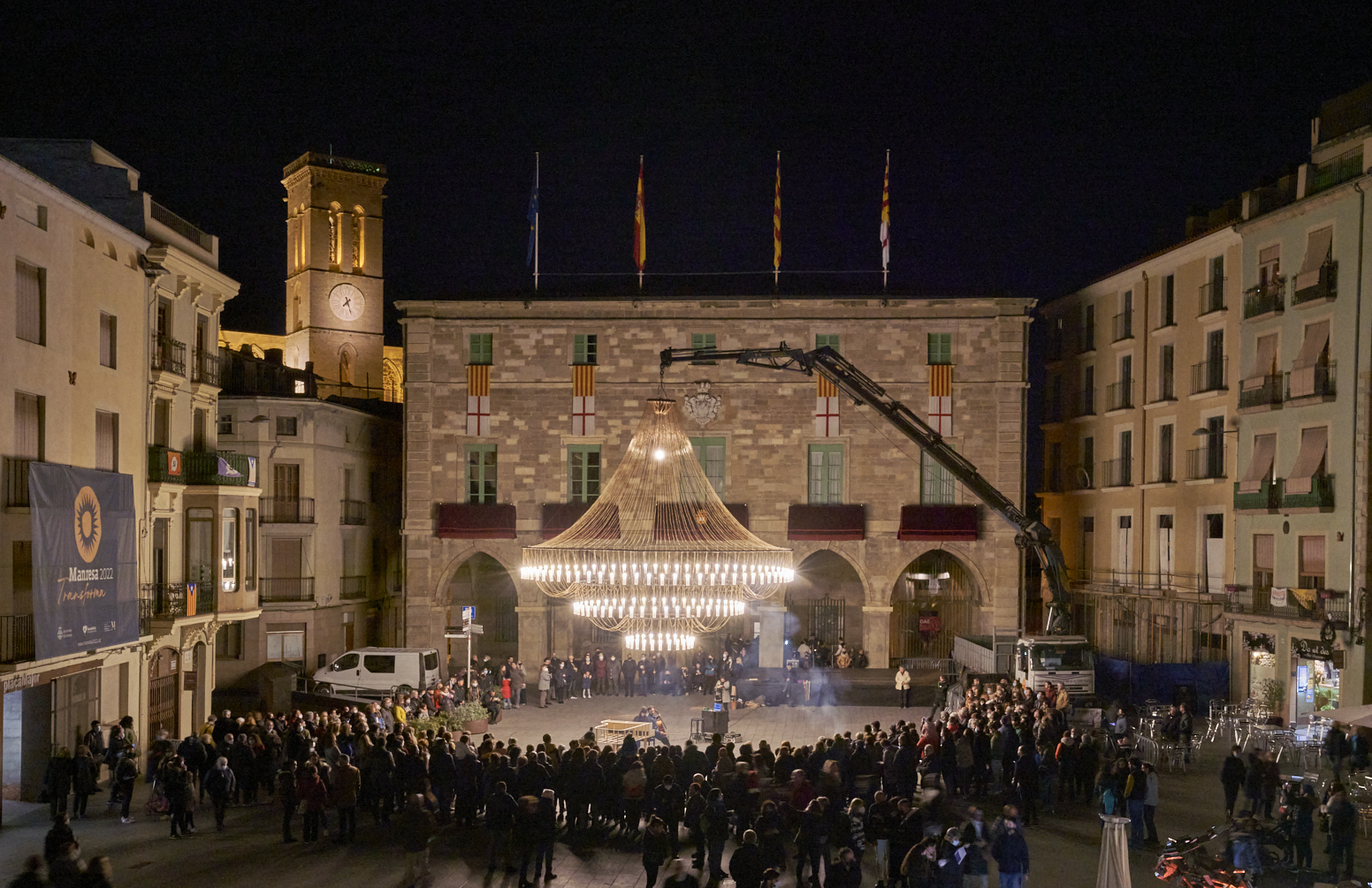
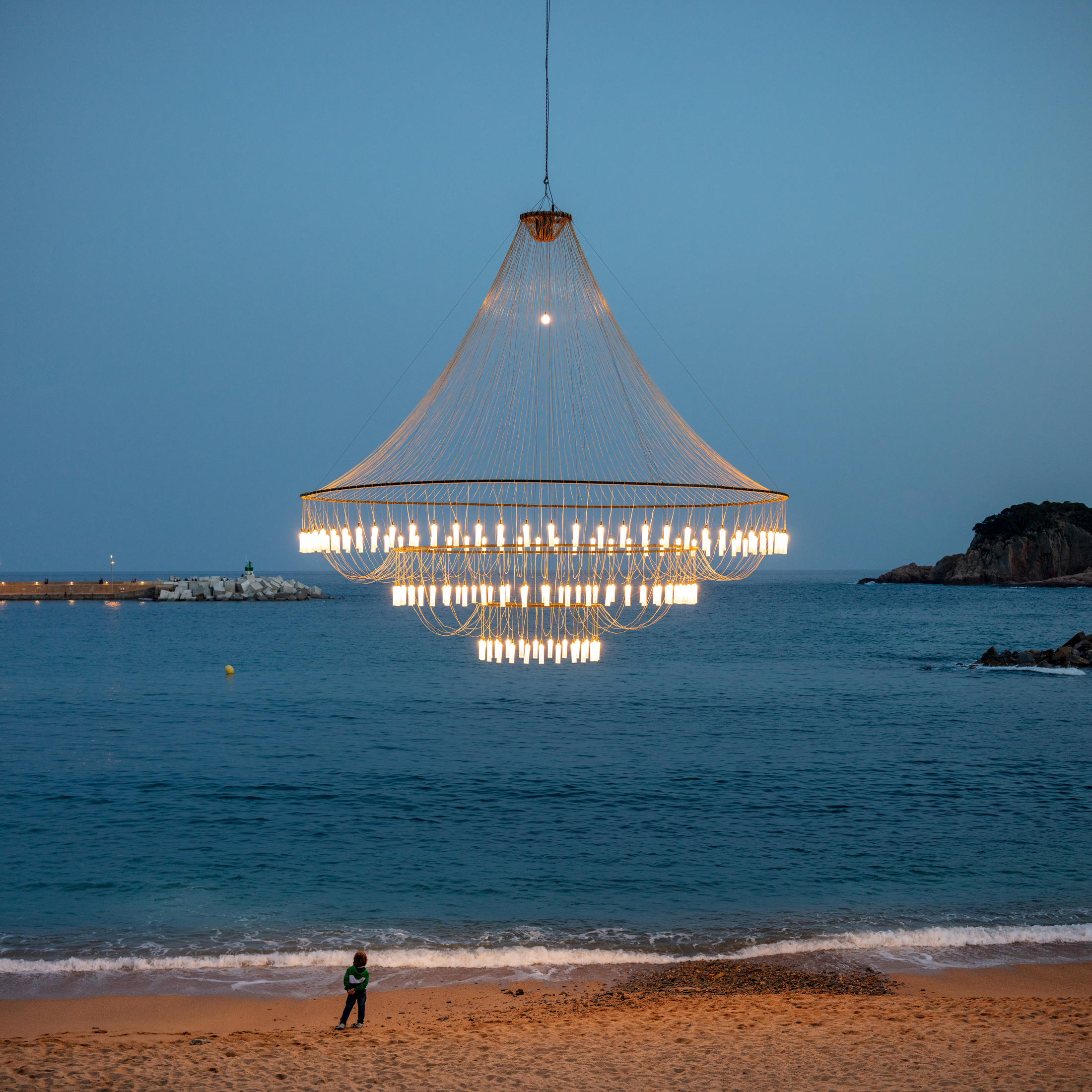
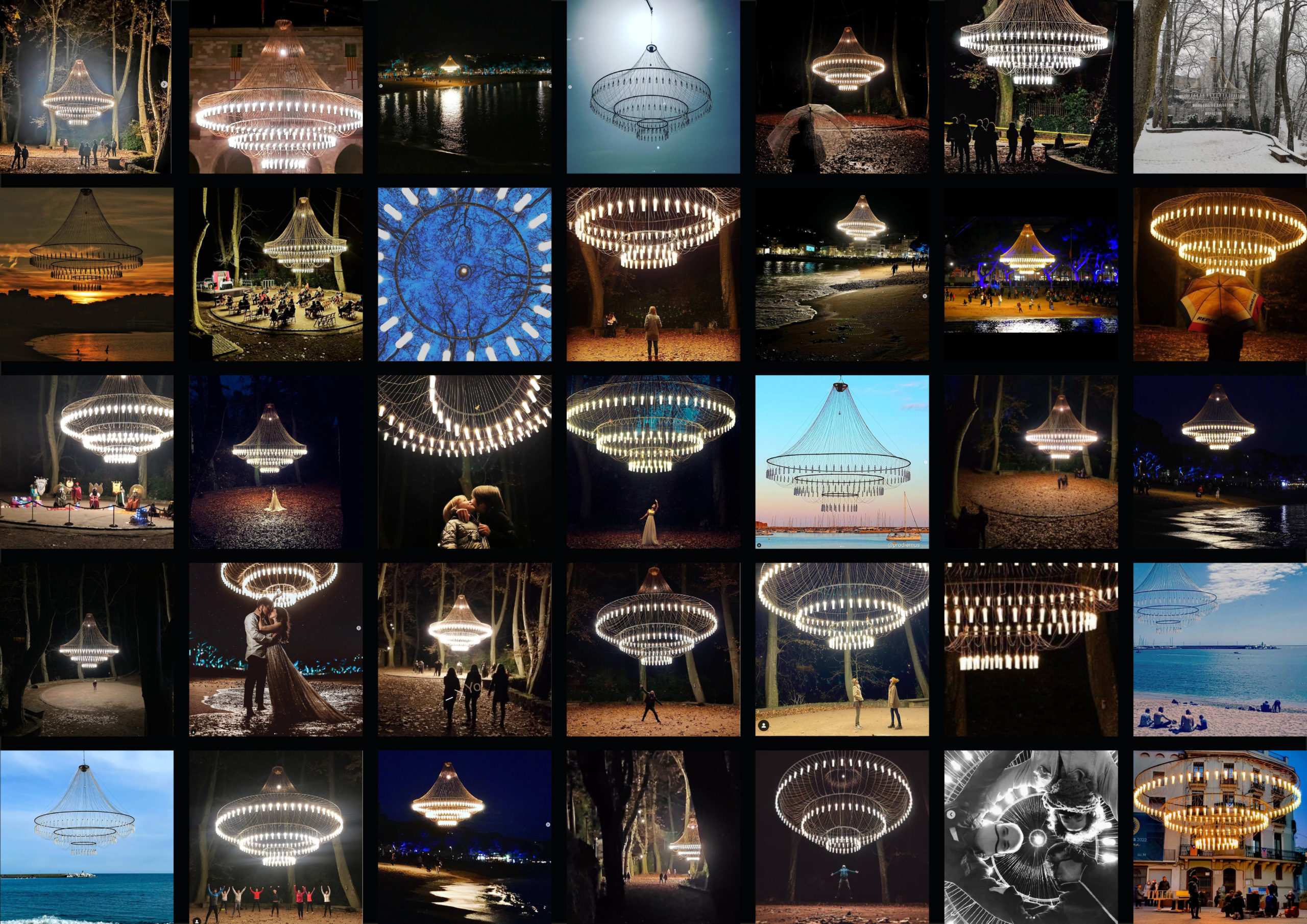
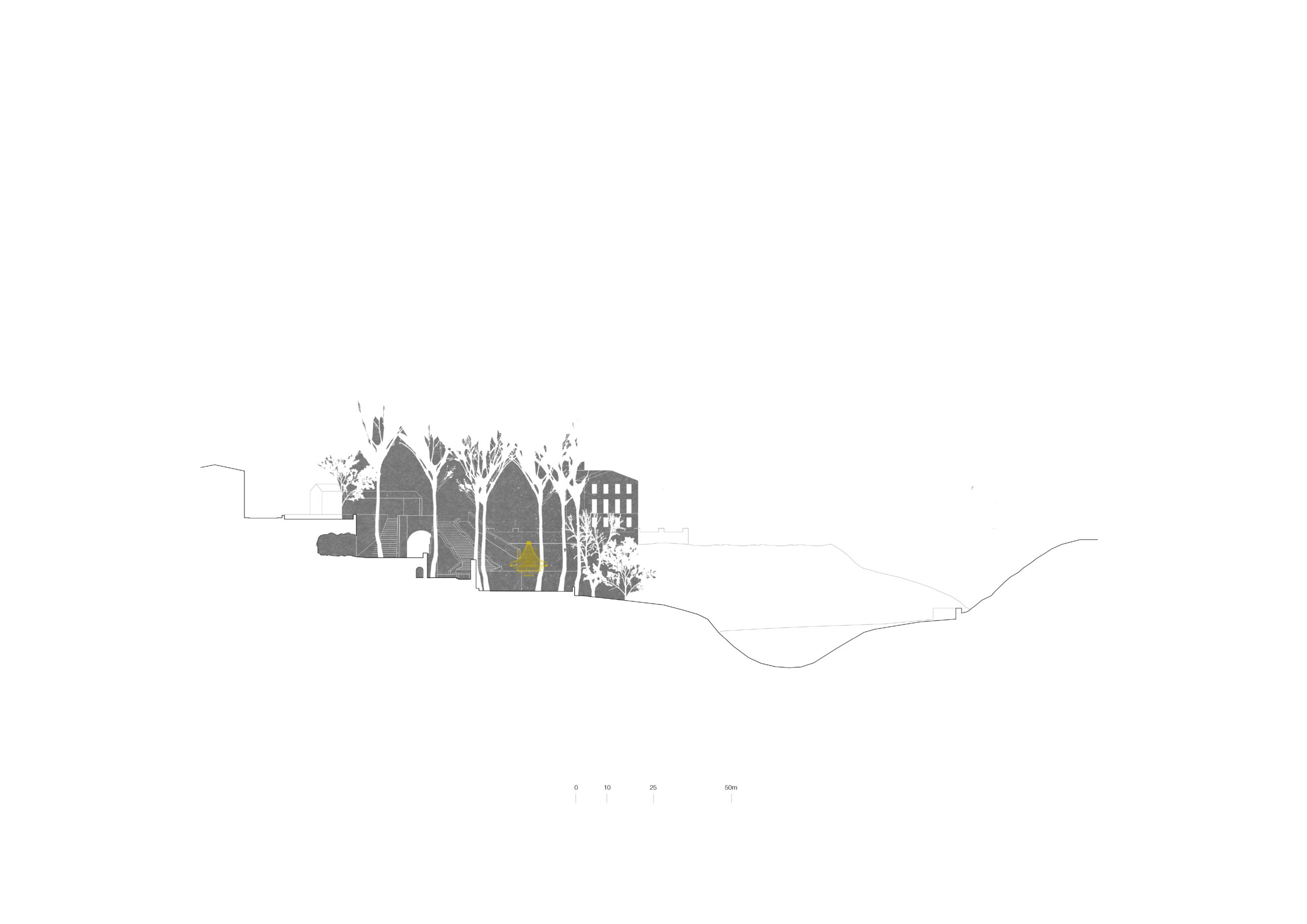
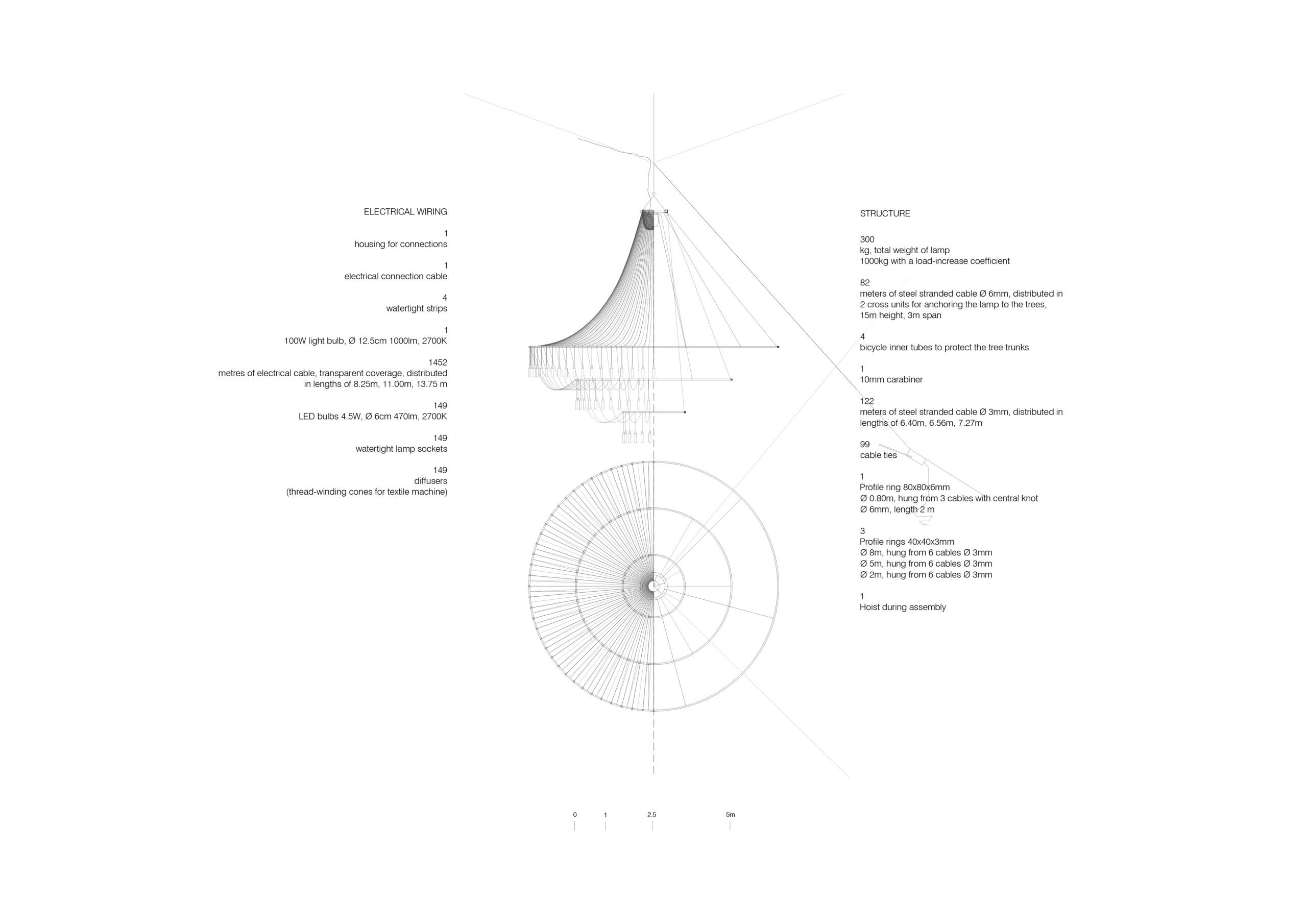
Invited for the Lluèrnia Fire and Light Festival, we selected this space to highlight its role among the community. One hundred and fifty light bulbs and their electric cables create a ballroom lamp, 8m high and with an 8m diameter, structured in three rings. It is suspended 3.5m above the ground, crowning a semicircular clearing defined by the main fountain and a row of slender trees. All components are reusable and the diffusers, thread-winding cones for textile machinery, are recycled.
The installation defines the twofold purpose of this site: it is adorned, celebrating its role as a community space for the city, while crafting an atmosphere conducive to introspective strolls. During the long winter nights and the pandemic of 2020, the light, like a magnet, emitted its siren song for citizens to rediscover this unique public place. And not only discover it. Under the shelter of the lamp, the fountains have once again become the stage for endless spontaneous activities.
Situation
Fonts de Sant Roc. 17800 Olot
42.173772, 2.473583
Coauthors
Clàudia Calvet, Xevi Rodeja
Structural Designer
Blázquez Guanter
Promoter
Lluèrnia Cultural Association
Constructor
Materials i Transports Coll, Narcís Salgueda Soy
Gratitudes
Aniol Coll, Salvi Capellà, Casa Sol
Opening act artists
Anaïs Masllorens (mezzosoprano), Marc Romero (pianist)
Images
José Hevia, Roger Serrat-Calvó (4/19, 12/19). Ramon Casas. Sardanes a les fonts de Sant Roc d’Olot, 1901-02 (2/19), Santiago Rusiñol. Font de Sant Roc, 1888 (3/19), Instagram (13/19)
Video
Mariona Comellas, Marc Planagumà
Project and construction dates
Ephemeral installation for Lluèrnia, 10/2020 – 02/2021
Itinerancy
Llum BCN, Barcelona, 11/2021
Jardins de Llum, Manresa, 02/2022
LumLab, Sant Feliu de Guíxols, 04/2022
Gau Zuria, Bilbao, 06/2022
Awards
2021. Awarded FAD Awards and Public vote FAD Awards
2022. Awarded Architectural Awards of the Counties of Girona
Grotto
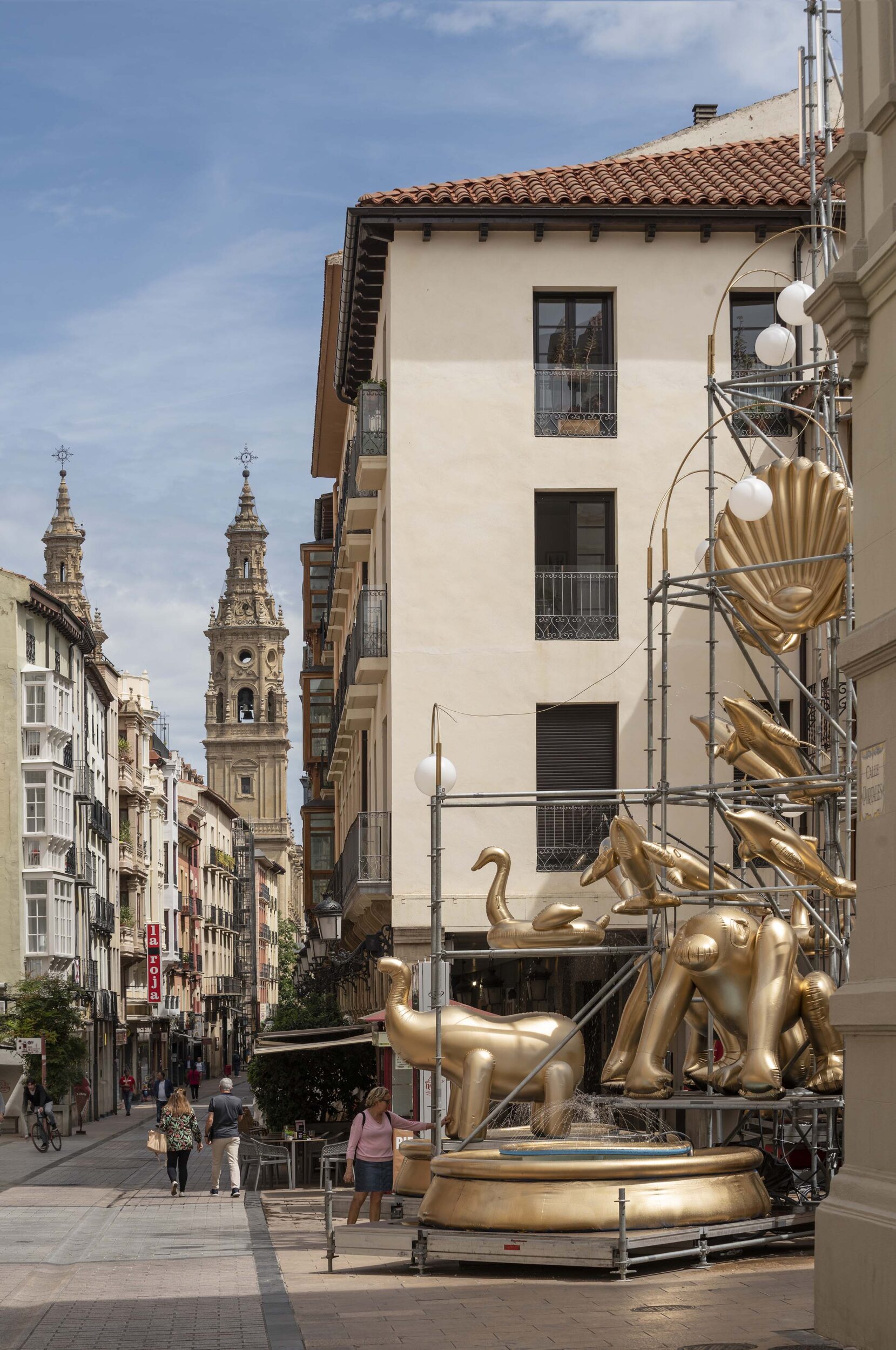
Transformation of a ruin into a romantic garden. The Valley of Bianya, 2021
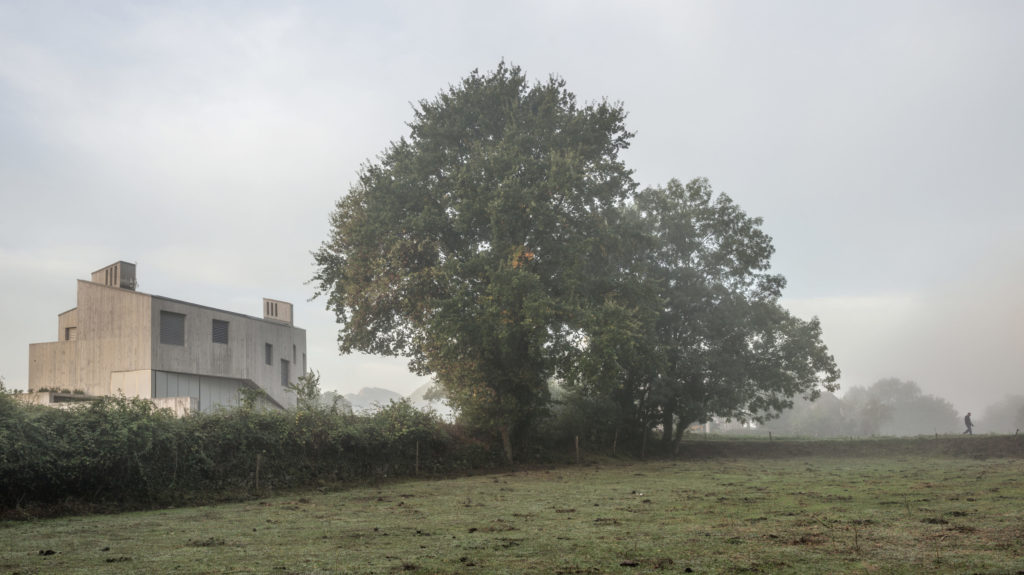
The traditional country house splendidly combines the construction, clinging to the site, with the decoration. Its character responds to the coexistence of the rough skeleton with fragile and delicate finishes. This balance is also manifested outside: the era, the orchards and the cultivated fields, are complemented by pergolas, fountains and gardens.
The complex that forms the fountain and the pond of Mas Sobeies, located in the upper part of the estate, are a good example of this duality. It formed the backbone of the water supply system in the house and in the garden, at the same time that it formed, together with the chapel, the place for the celebrations. The pond also attests to the changes in the use of the house. First being transformed as a swimming pool when the country house is used as a second residence. Then, being colonized by plants when the house is abandoned.
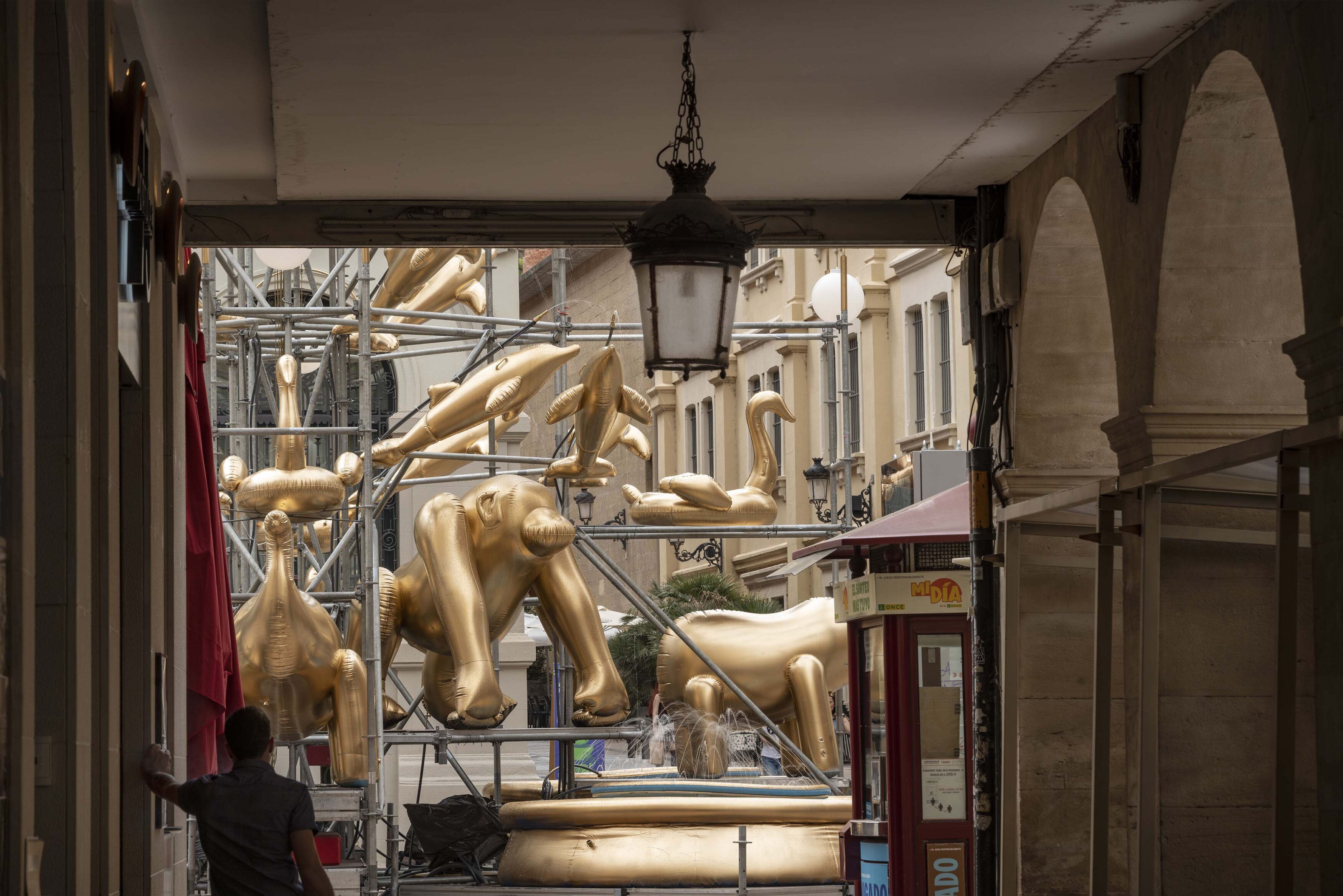
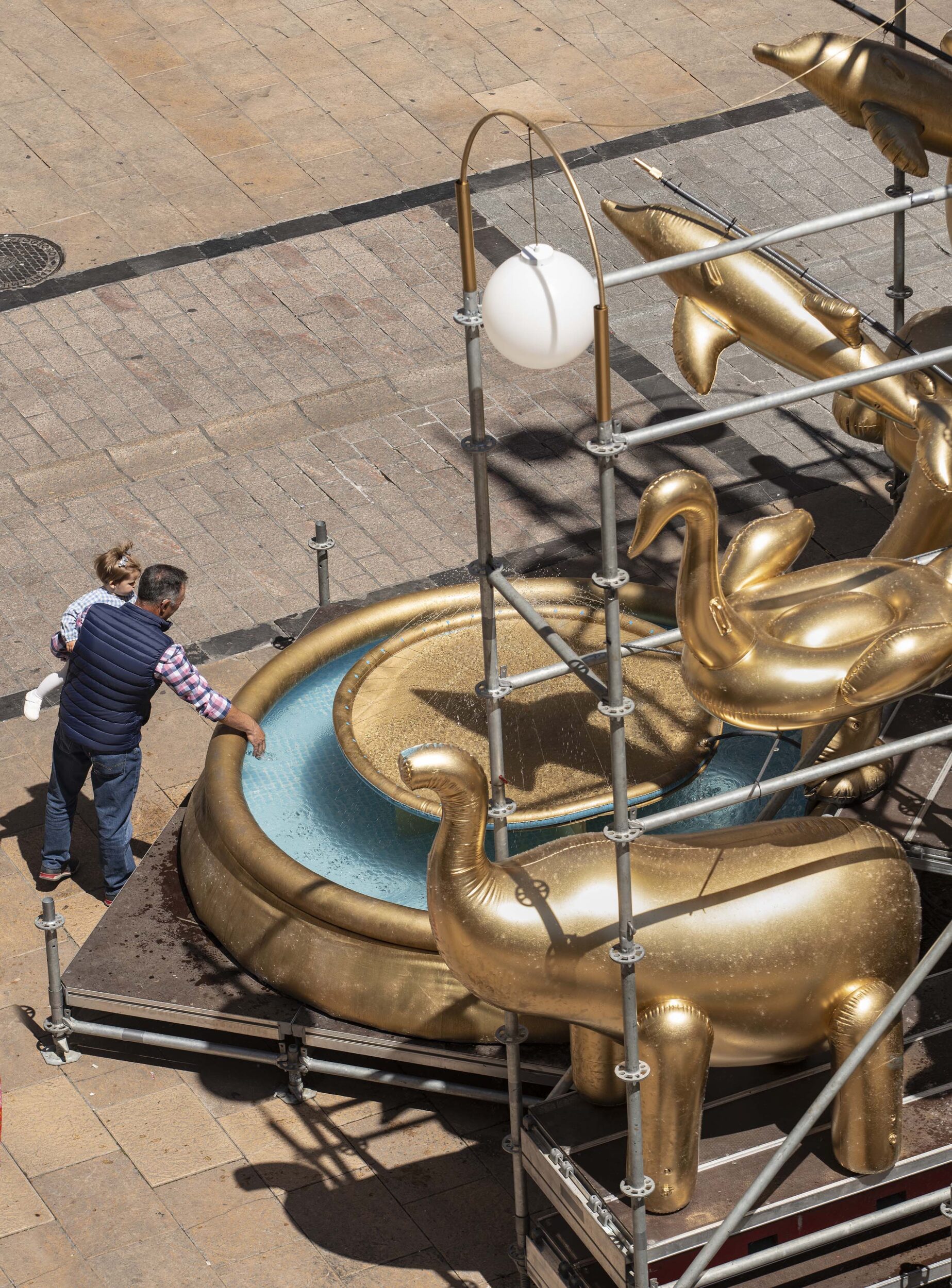
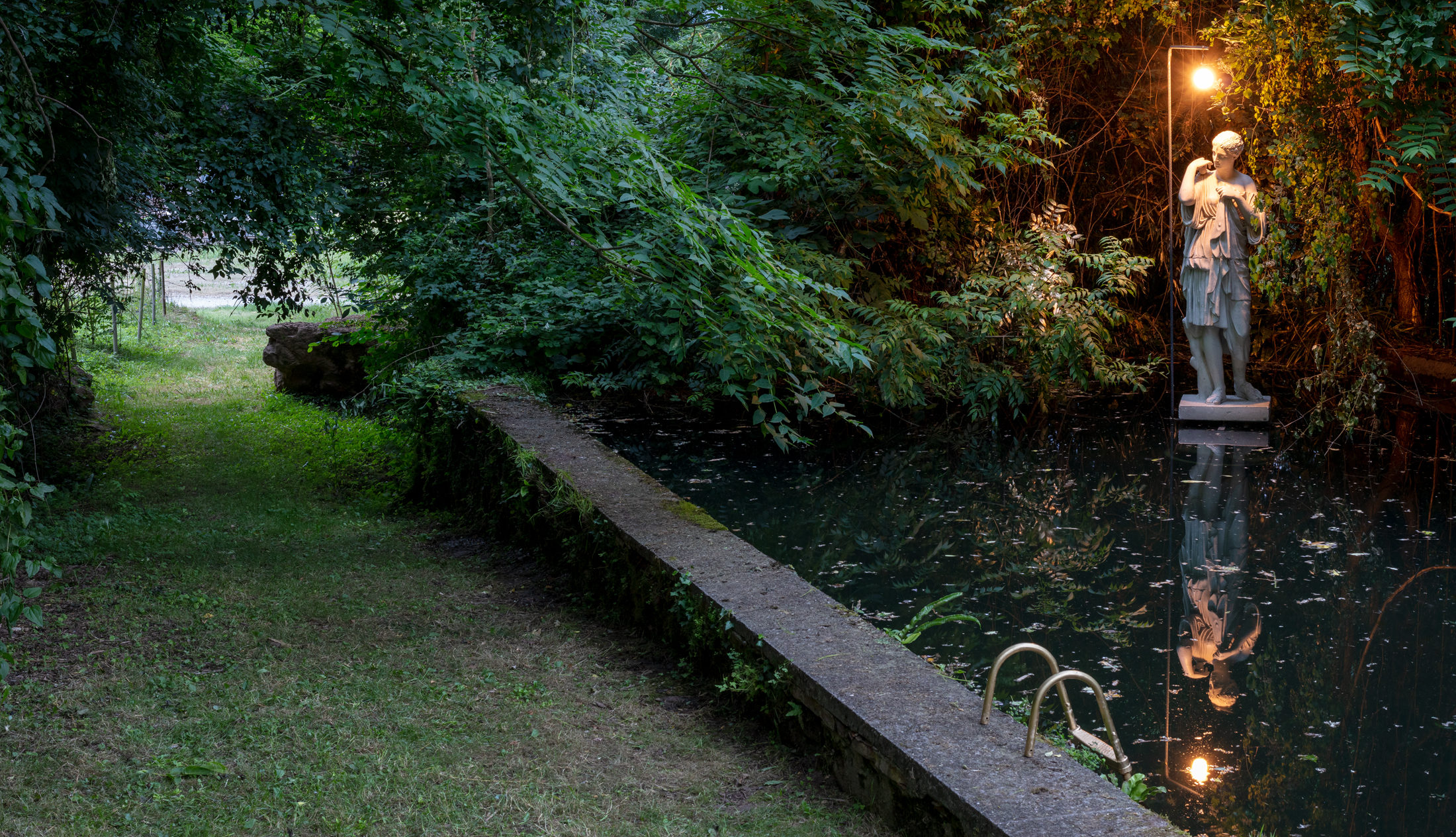
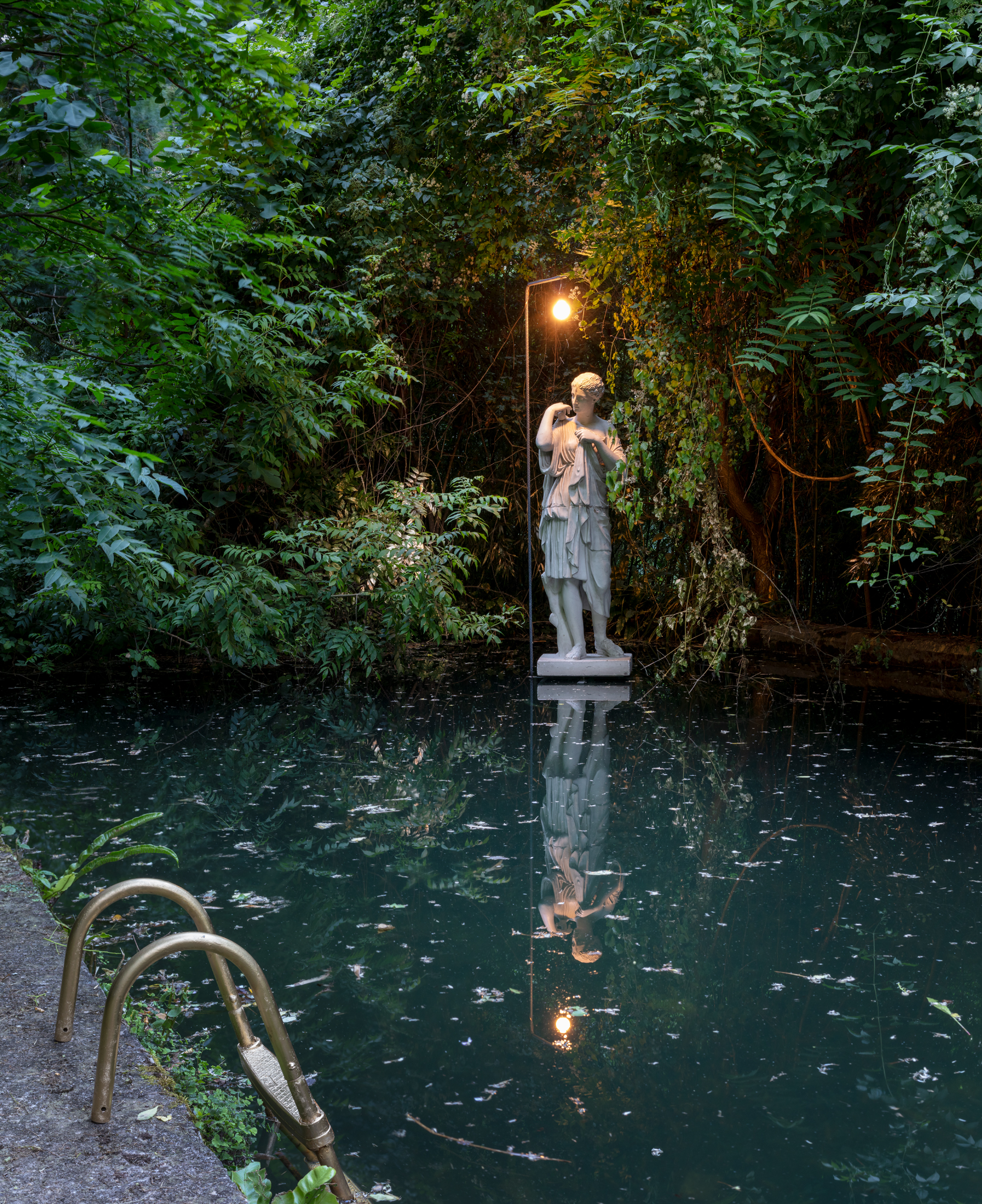
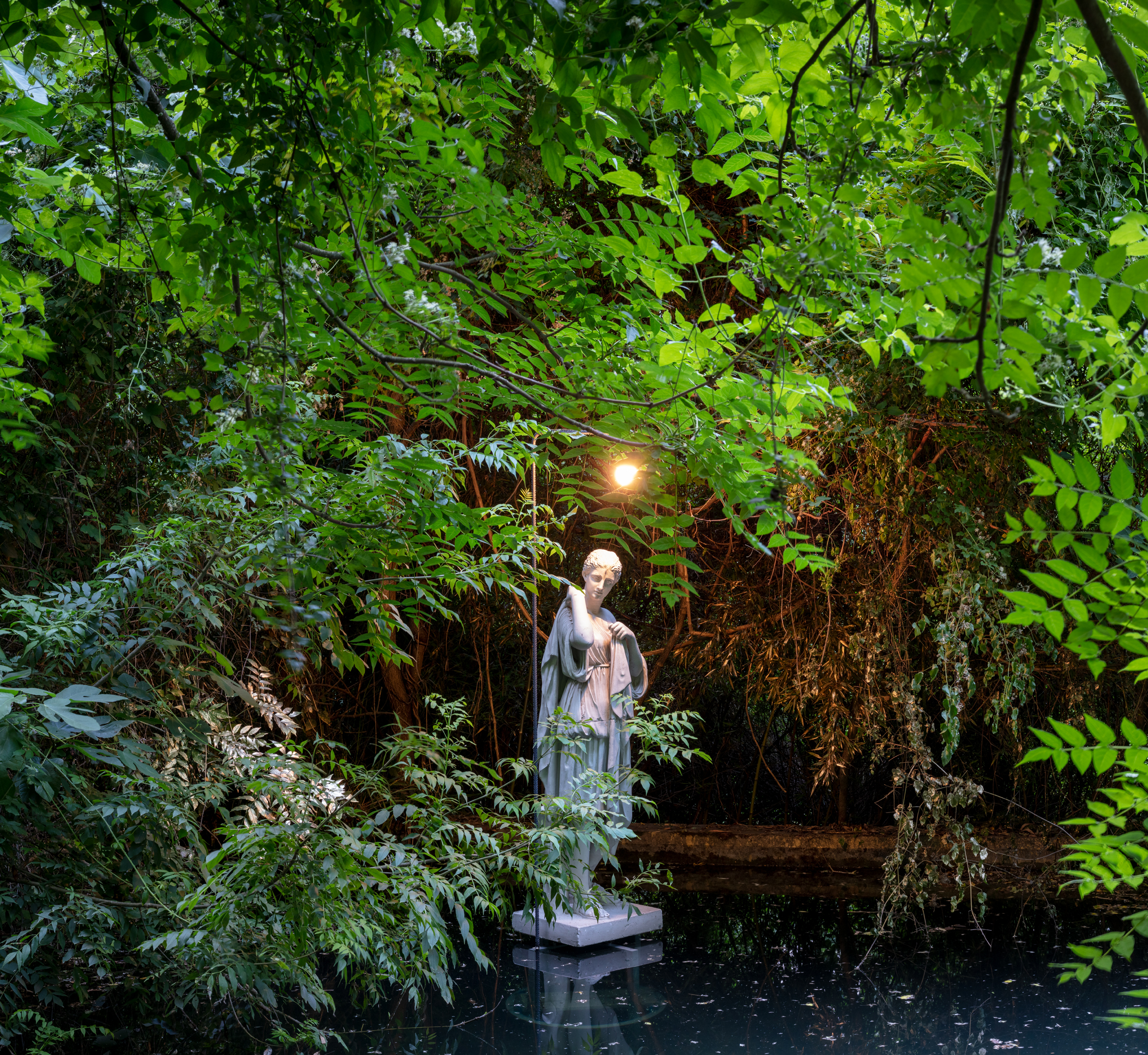
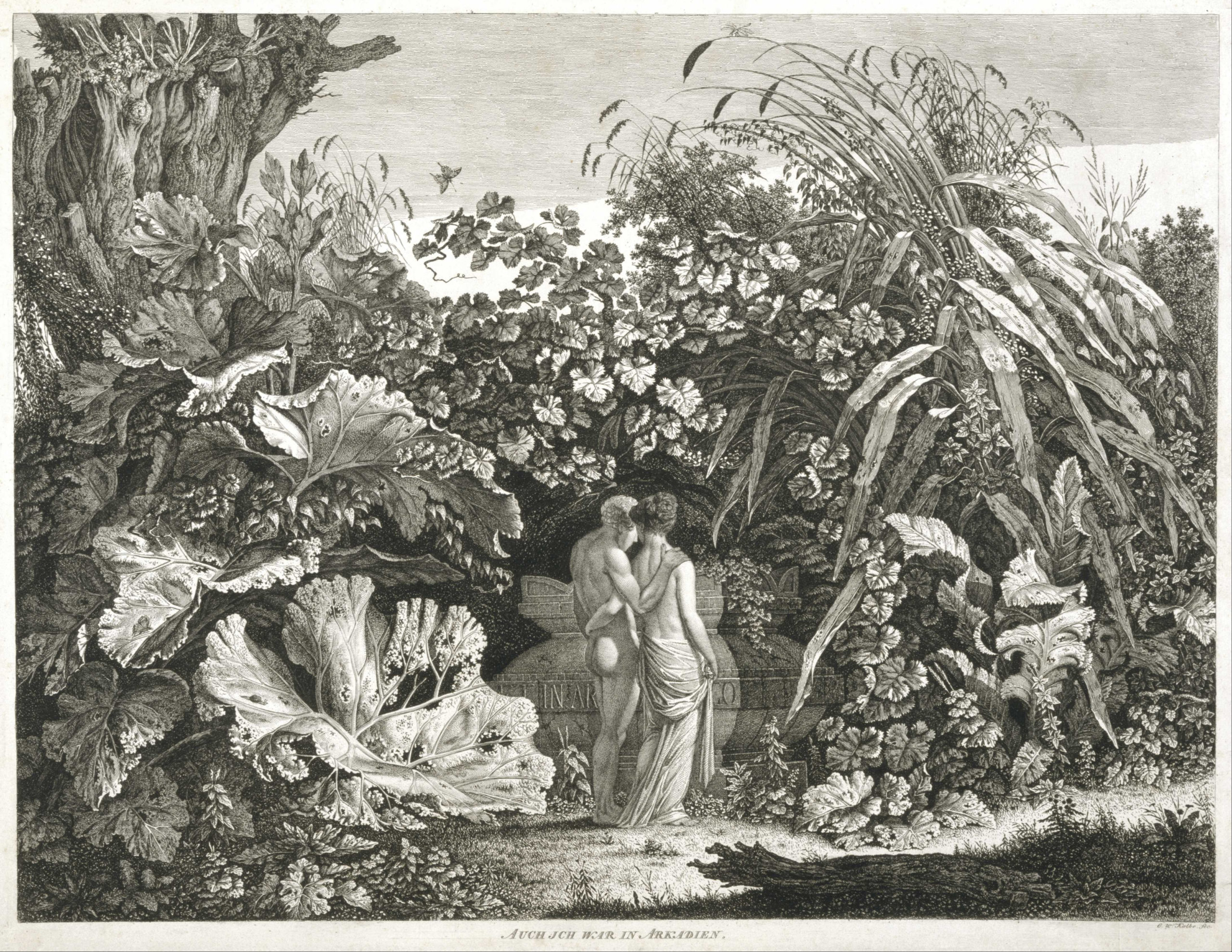
On the occasion of the El Pícnic cultural activity, the Grotto intervention sets up a new stage in the evolution of the pond, leaving the previous stages to be read. The artifact is transformed into the pond of a romantic garden. A sculpture is added in the middle of the water, where the plants draw a kind of grotto, and the pool stairs located on the opposite diagonal are painted with gold. A light bulb gently illuminates the sculpture and the concavity that houses it.
Situation
Mas Sobeies. 17858 La Vall de Bianya
42.208127, 2.474605
Team
Clàudia Calvet
Promoter
Binari Cultural Association
Gratitudes
David Construccions i Restauracions, Narcís Salgueda
Gratitudes
Escola d’Art d’Olot
Images
Roger Serrat-Calvó, Carl Wilhelm Kolbe. Auch ich war in Arkadien, 1801 (4/6)
Project and construction dates
Ephemeral installation for the cultural activity El Pícnic, 26/06/2021
Agora
Services building in Morrot Sports City. Olot, 2017
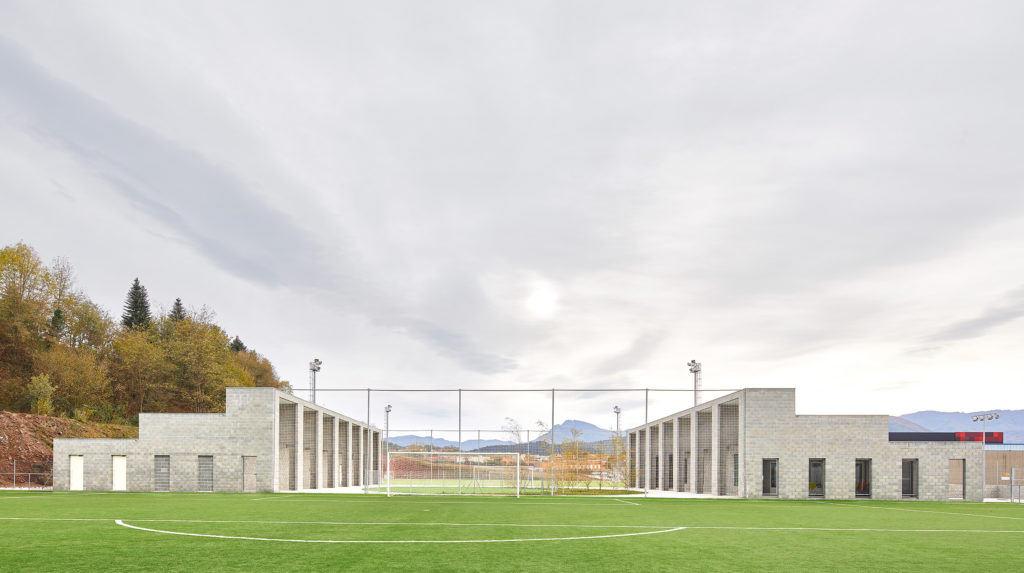
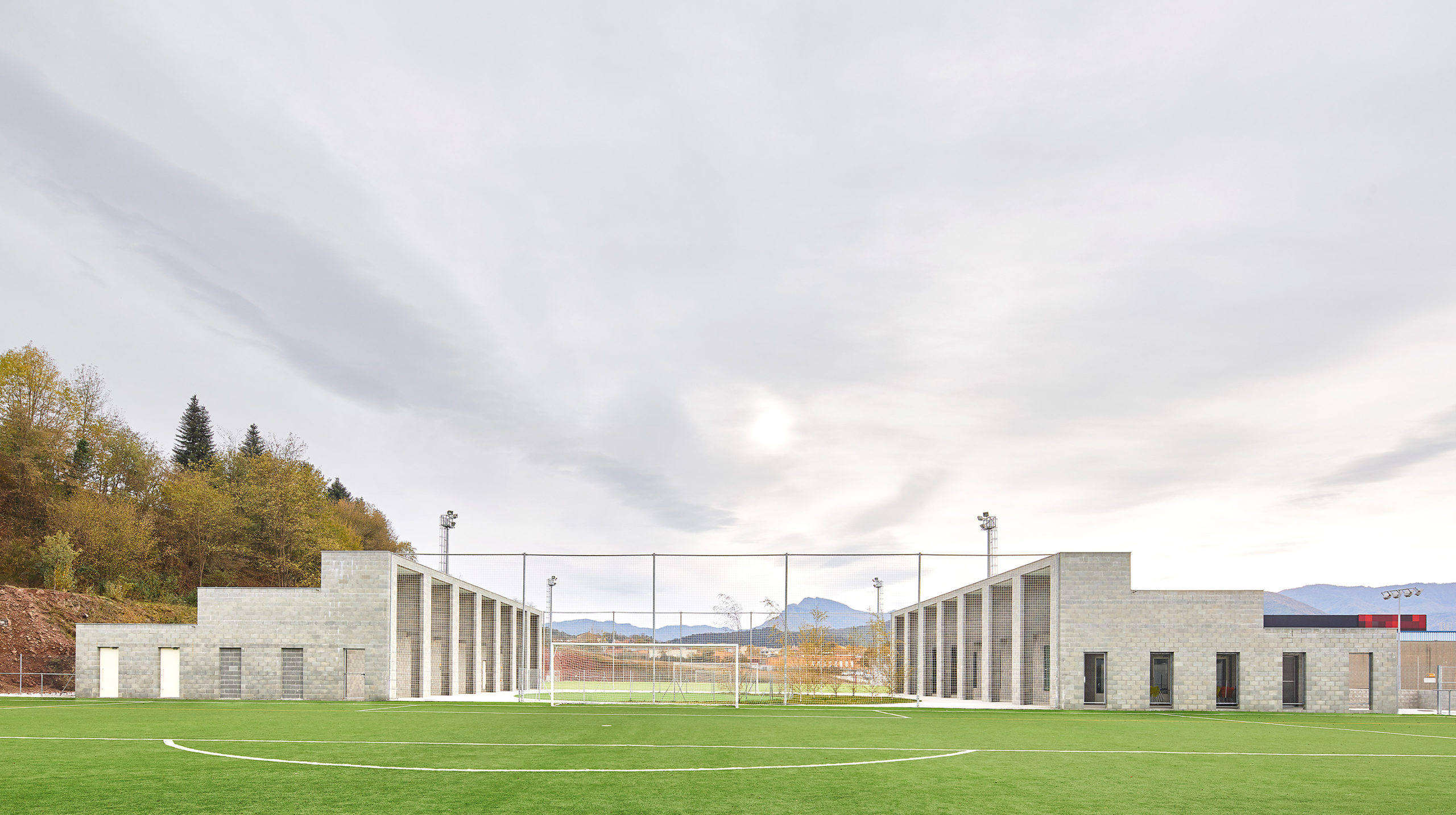
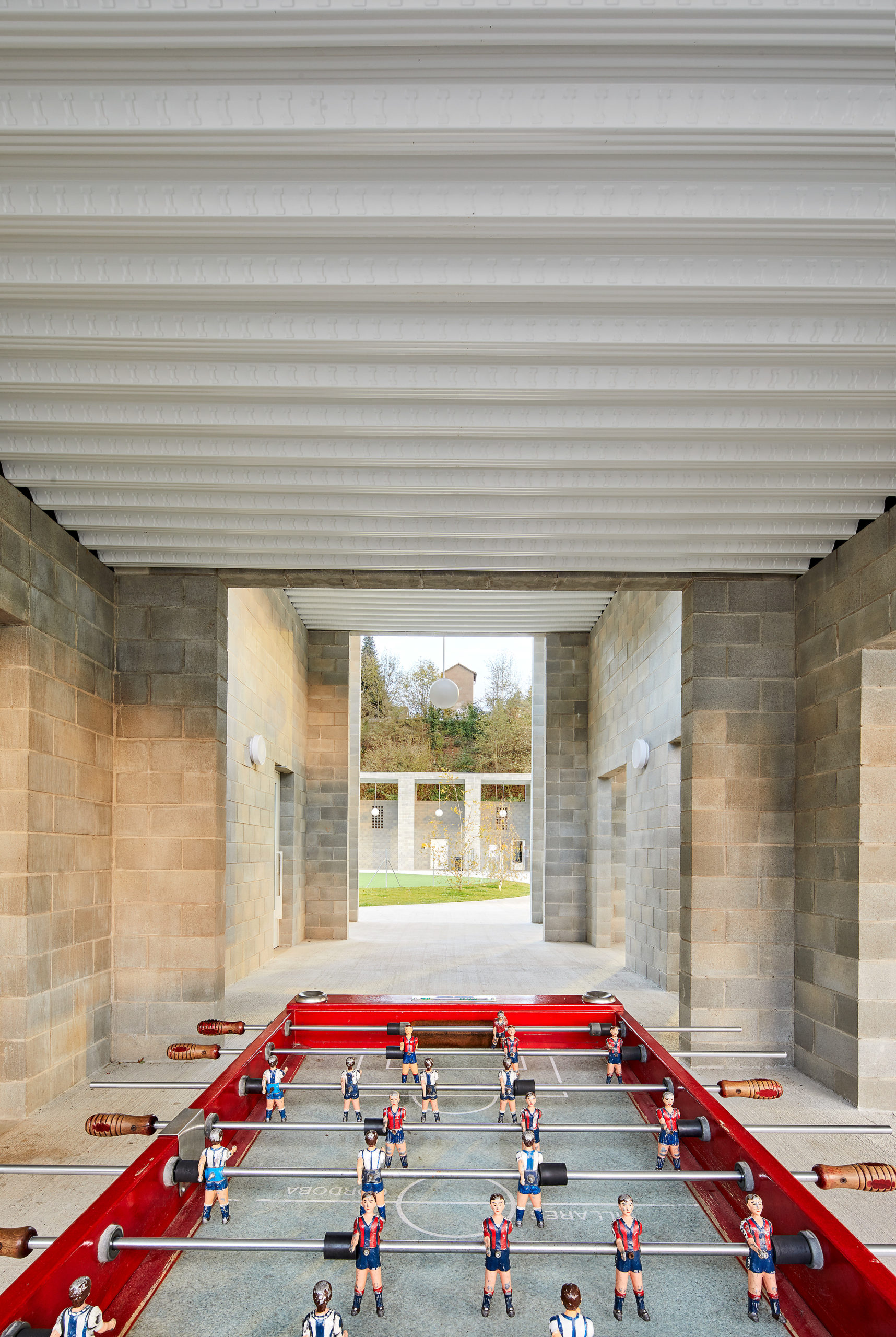
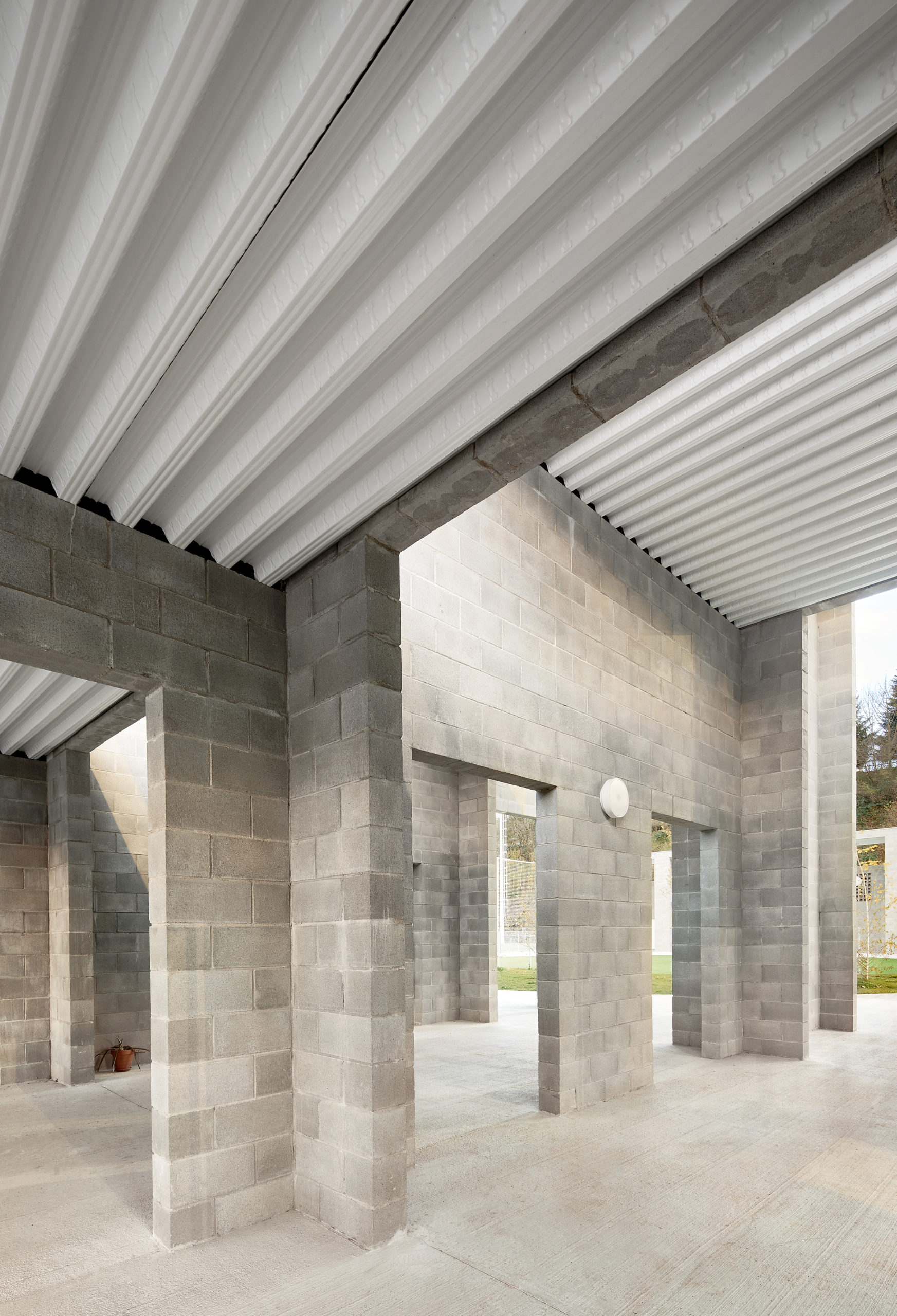
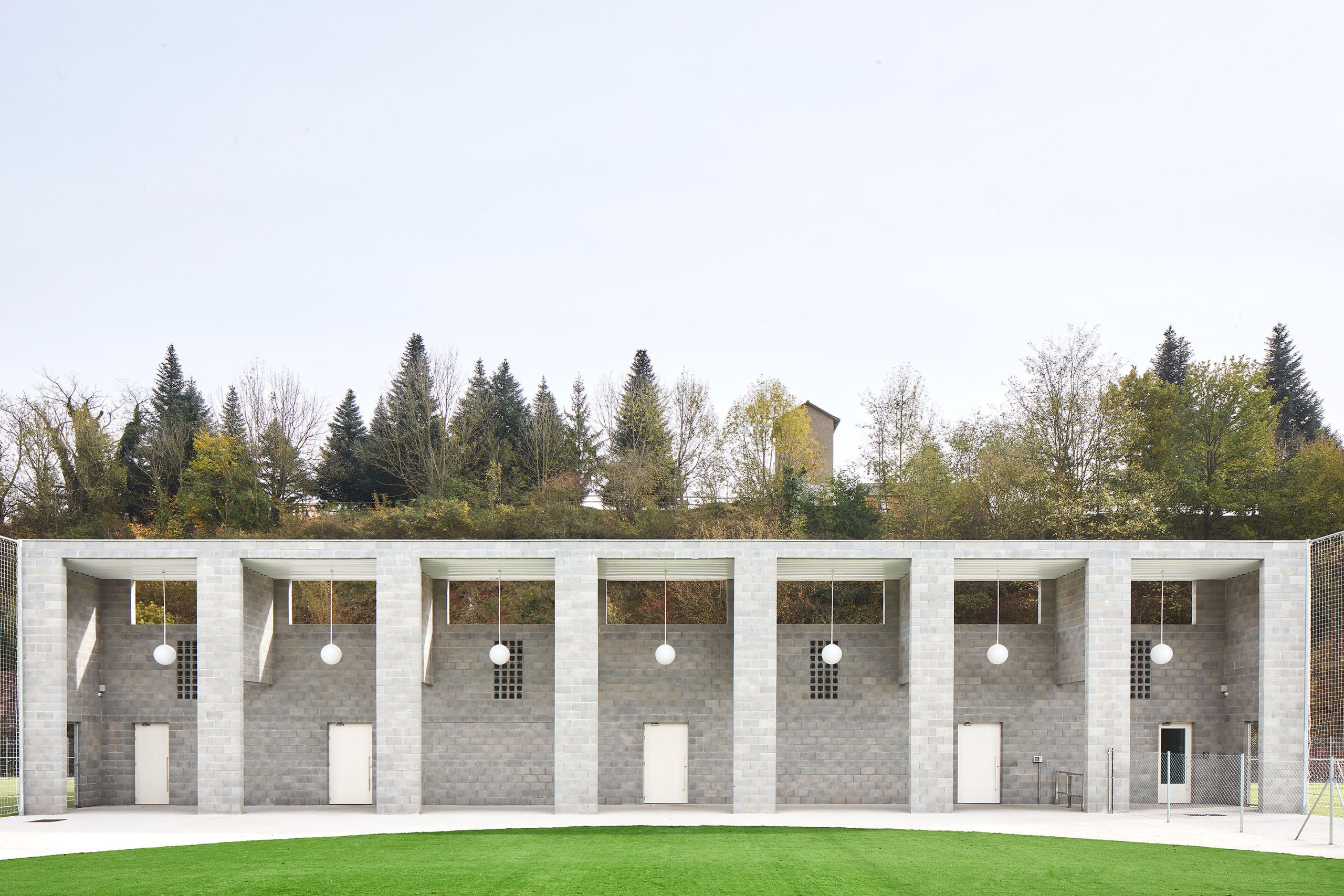
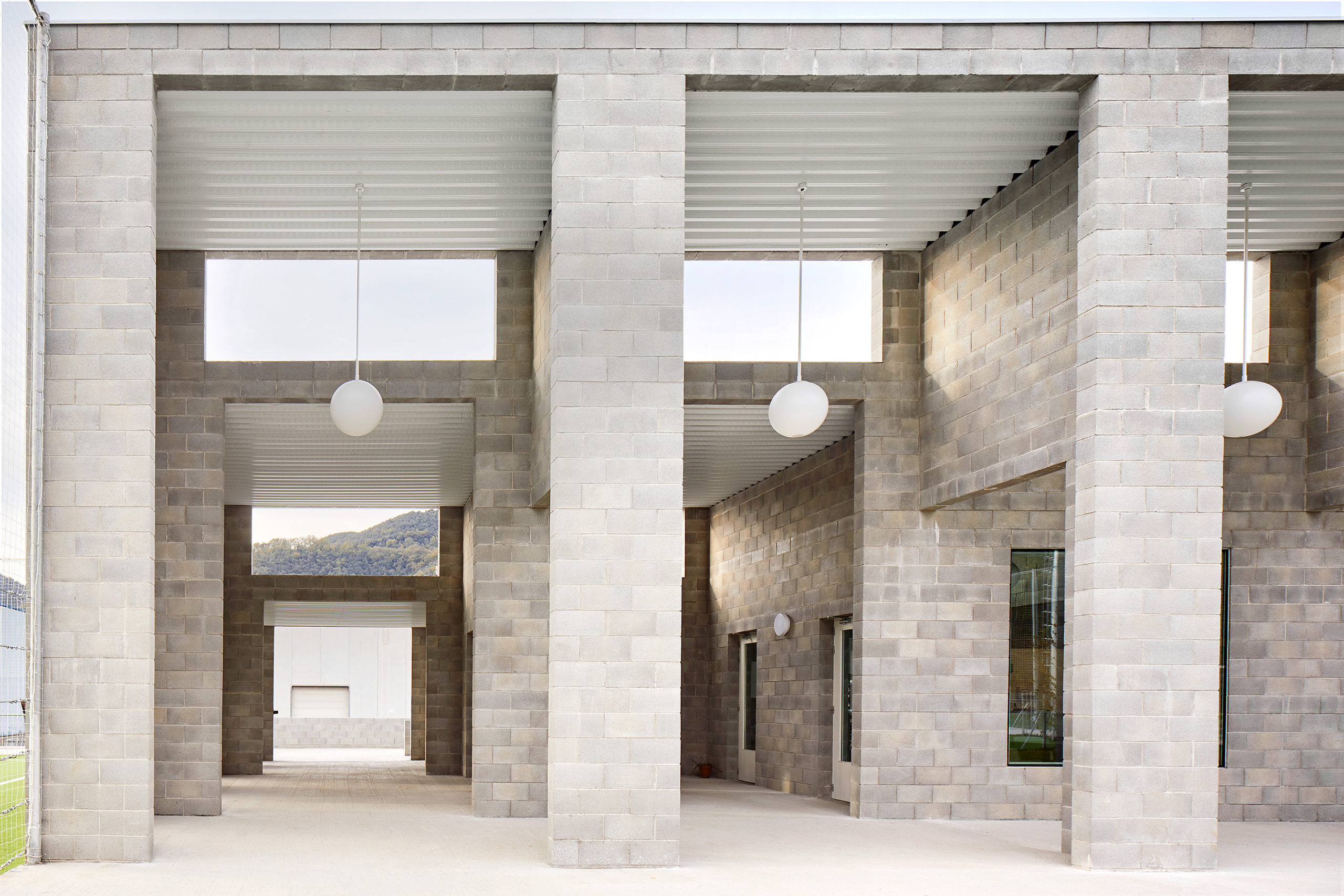
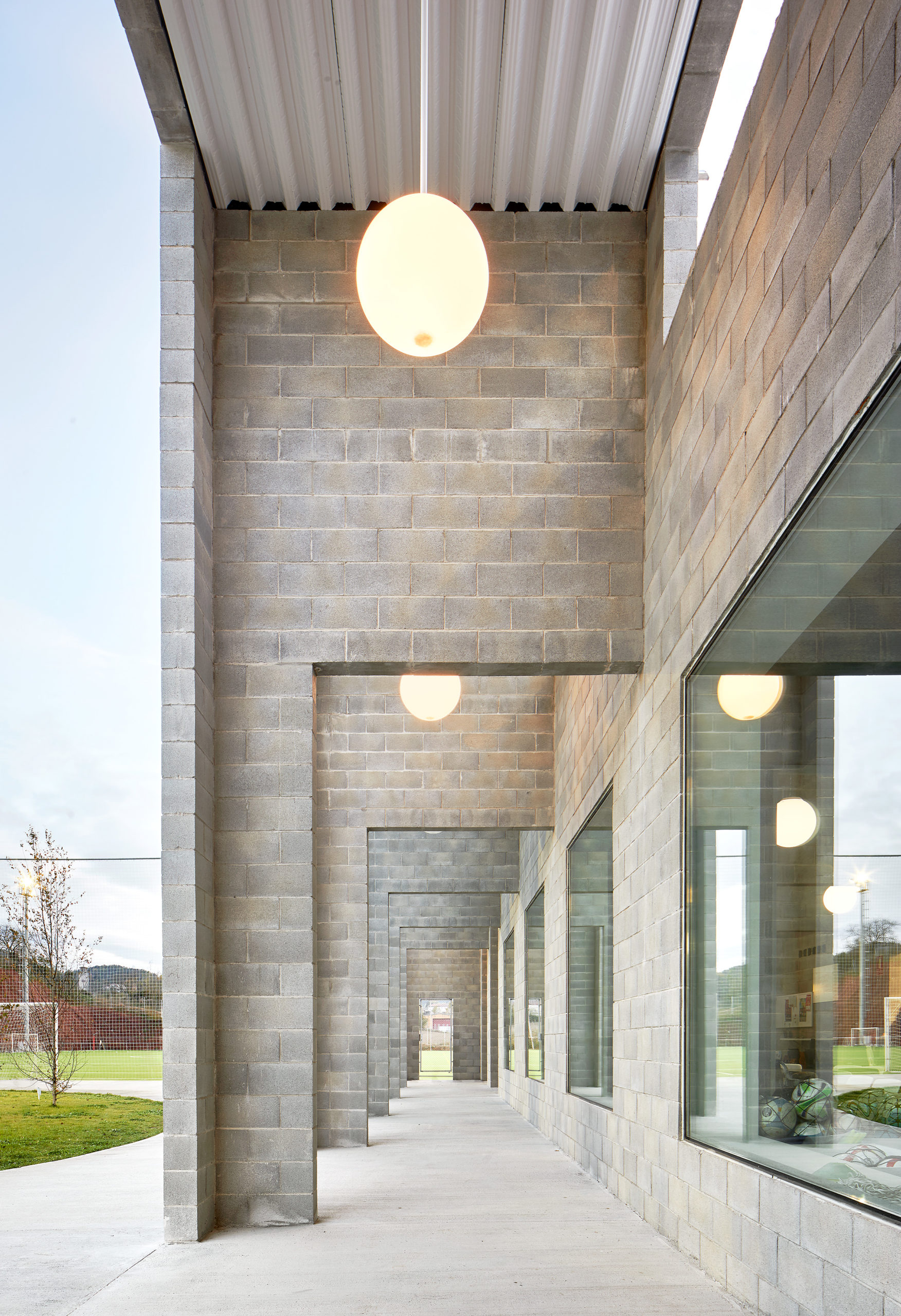
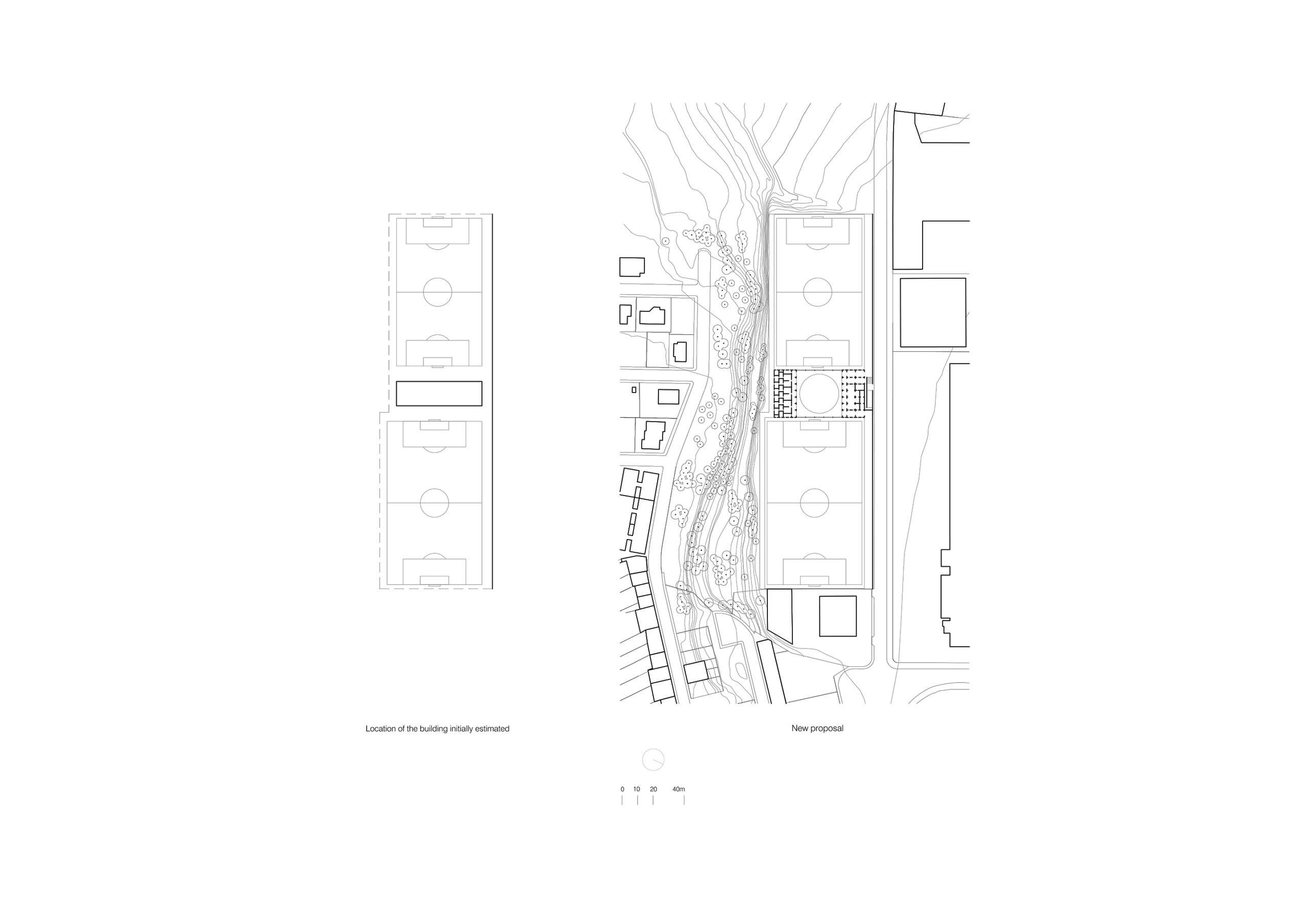
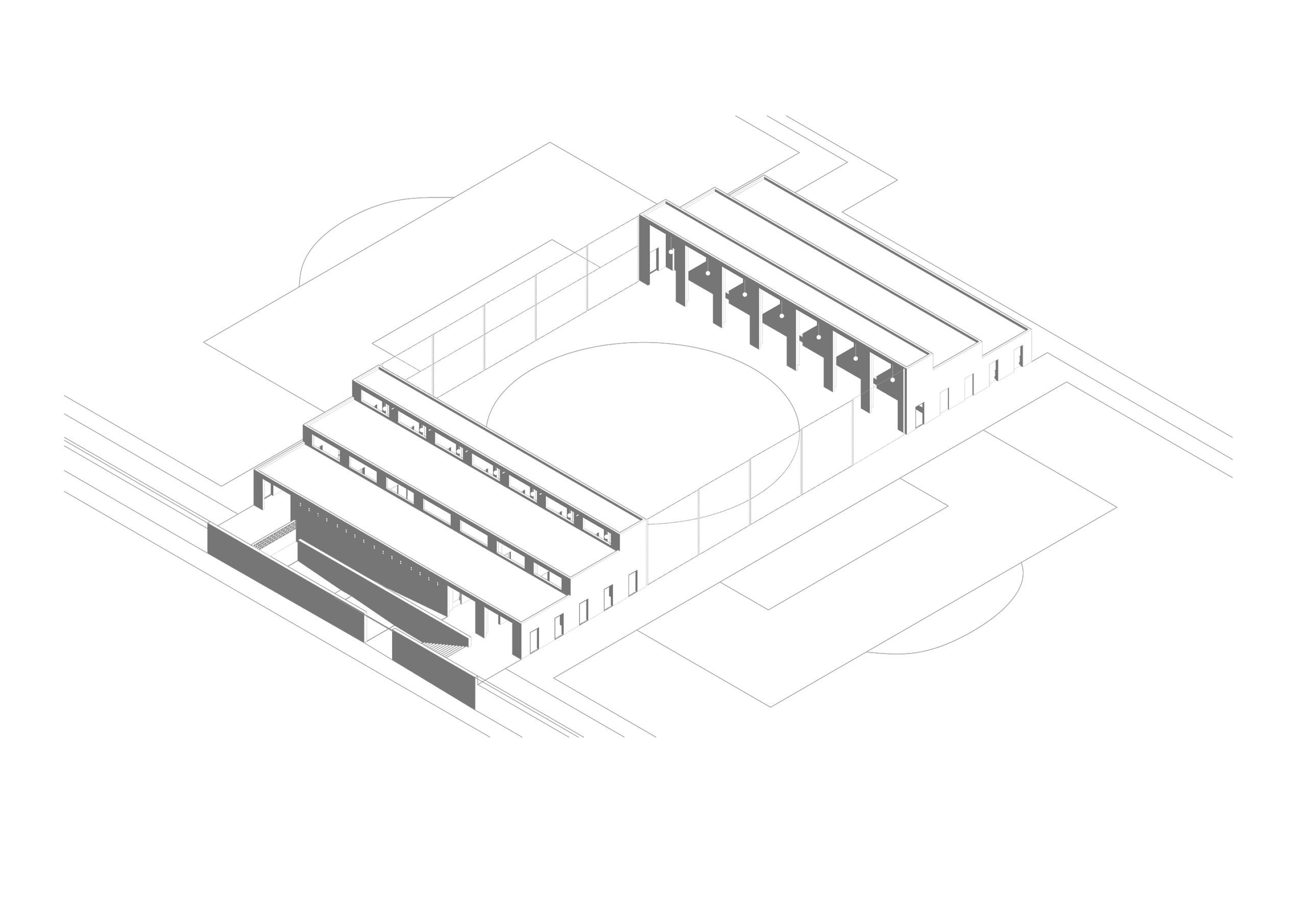
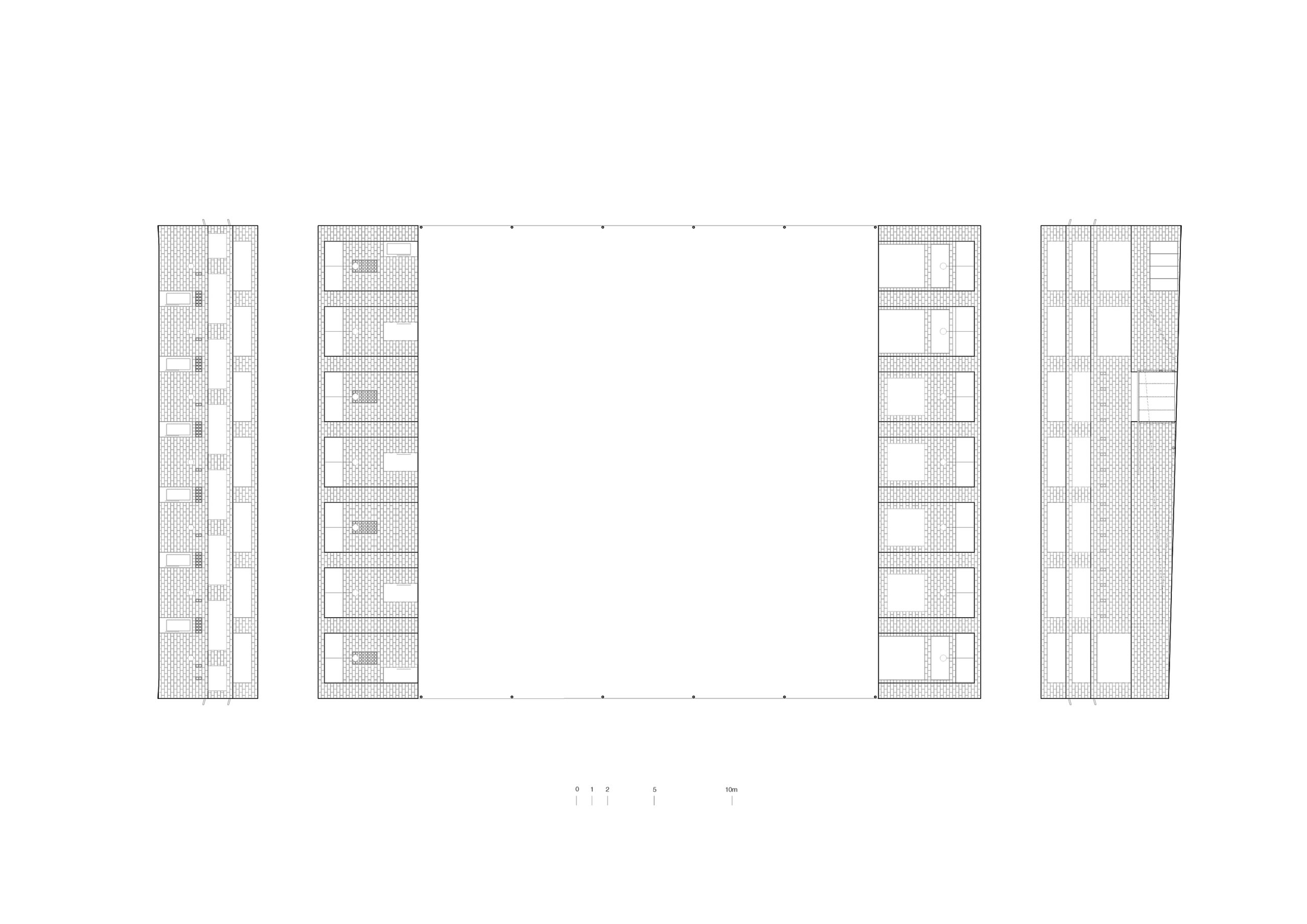
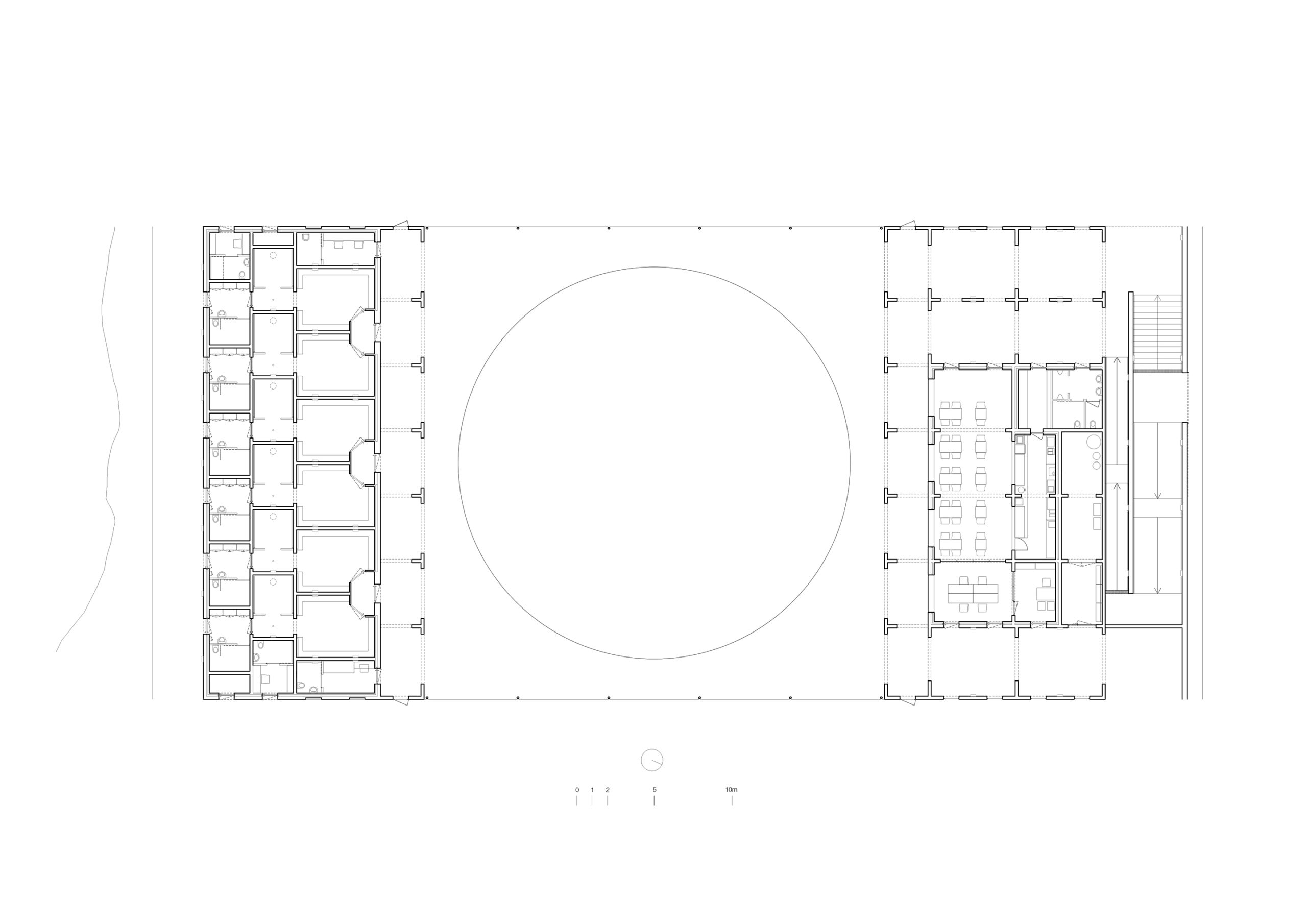
A quadrangle, defined by two arcades that open onto football pitches. This is the centre of the Morrot Sports City in Olot. It is also our response to the contradictions between its use and its location: an industrial complex with an access street almost without pavements.
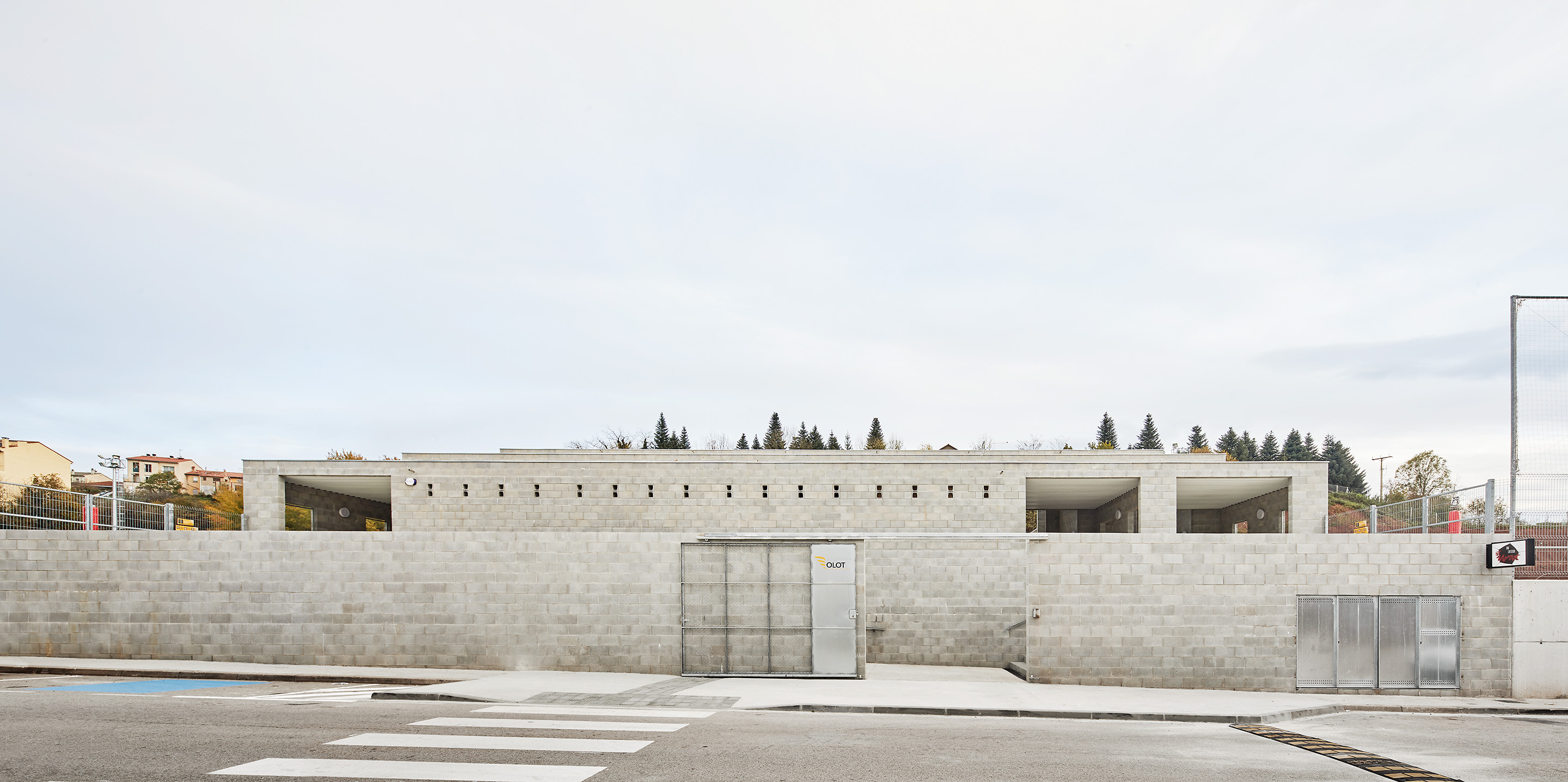
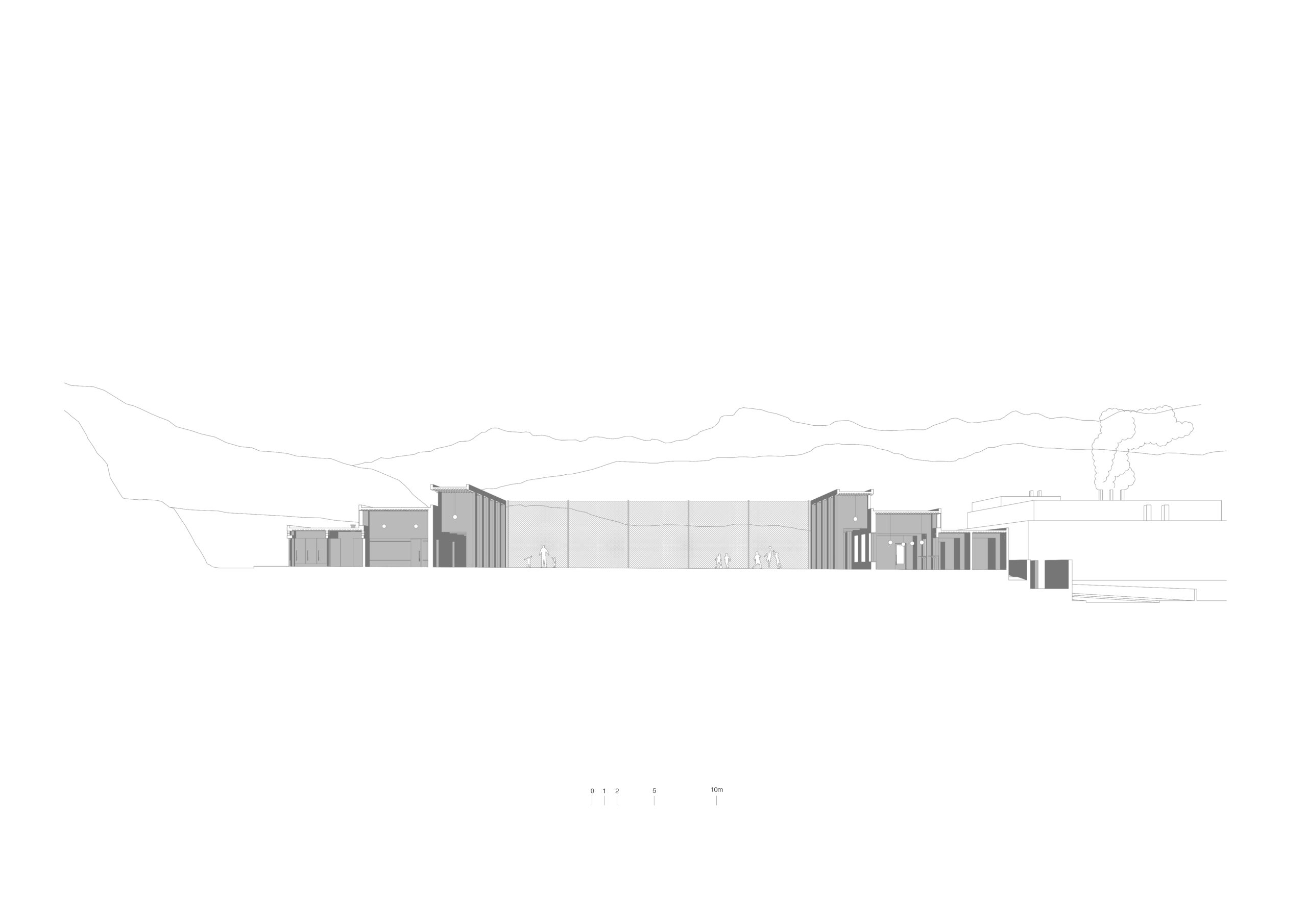
The square connects visually to natural geographical features, the contours of the distant mountains of Alta Garrotxa and Santa Magdalena. At the same time, this distances it from the factories and street busy with lorries. The whole is situated on a horizontal platform. An interruption in the basement leads onto an entrance corridor that is both complex and gradual: inner door, stairs and a ramp, porticoes at three heights, leading tangentially to the main space.
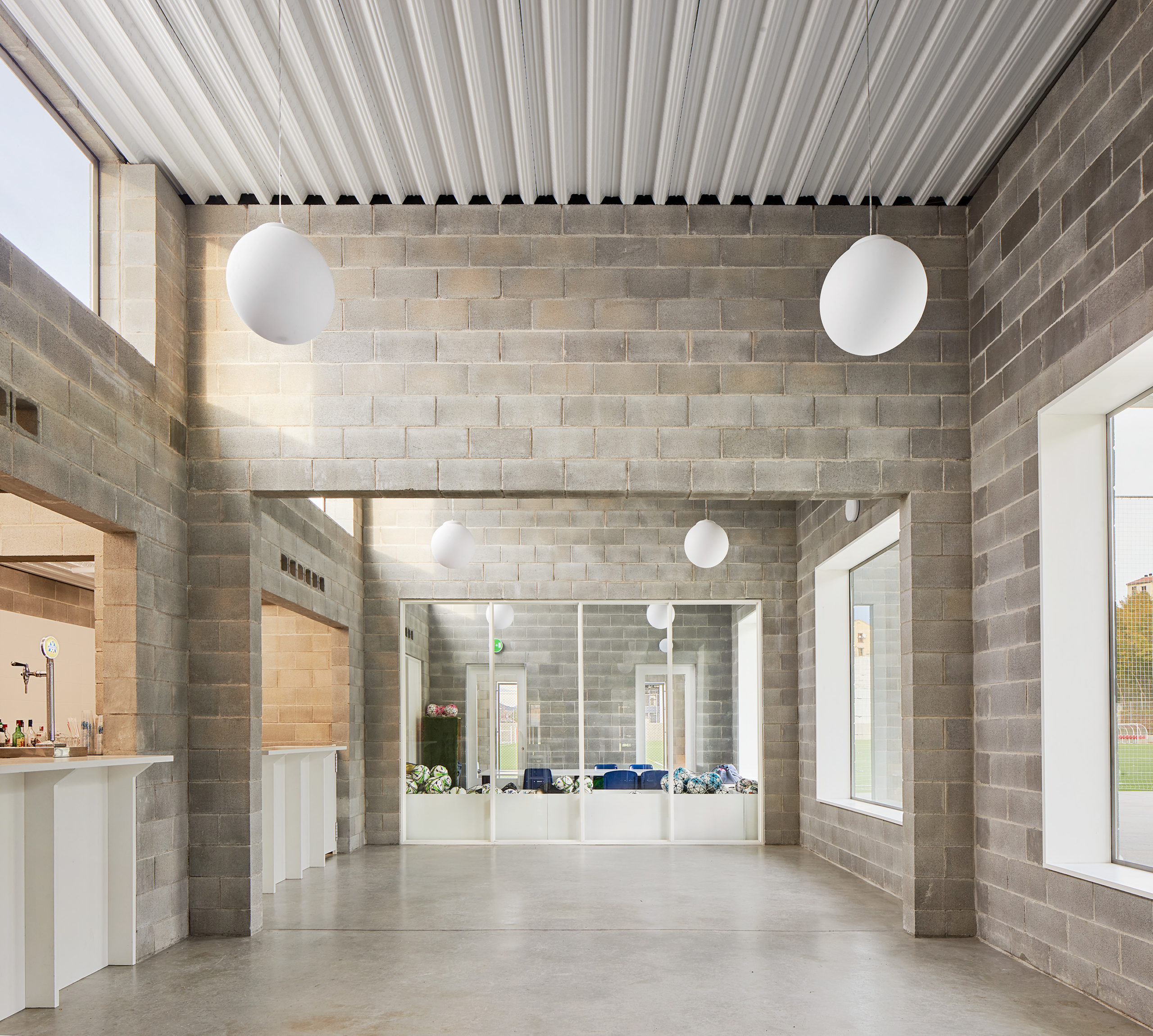
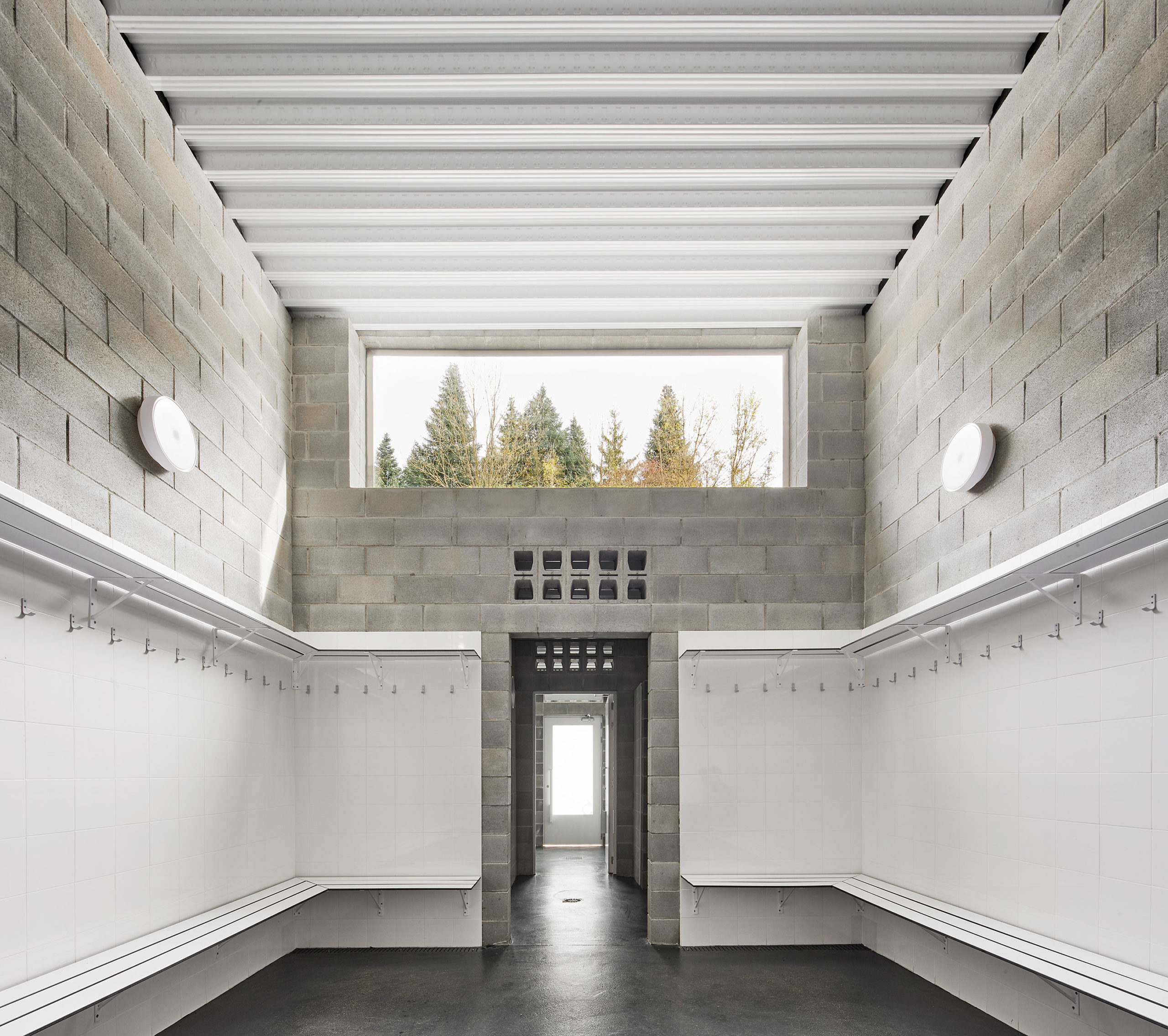
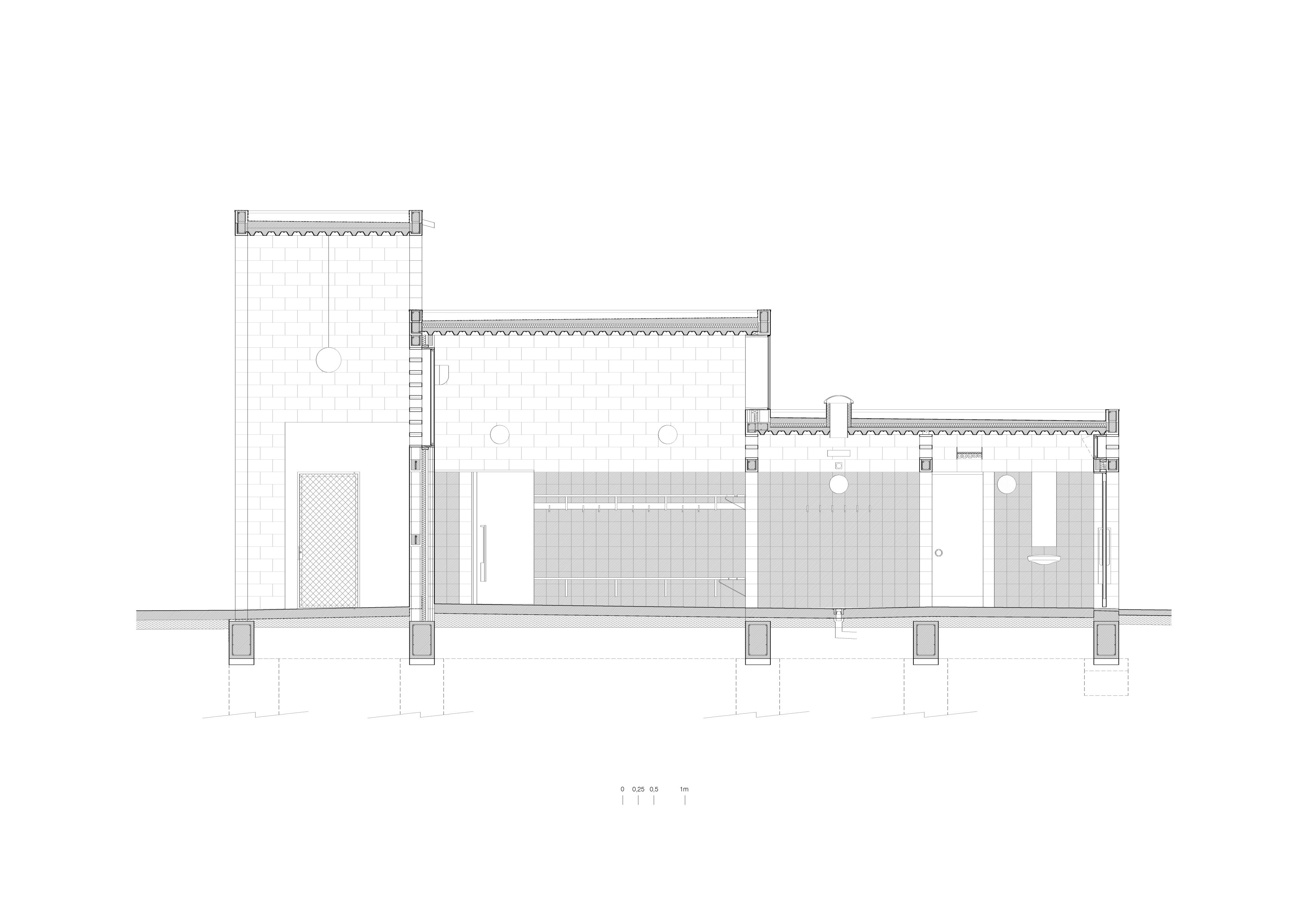
They are twin pavilions, but are not the same. They share profiles and porticoes, but keep their differences according to their positions and uses: one is for changing rooms and the other for reception, a café and services. The staggered volume heeds the proportions of the square, of the basement and the internal organisation.
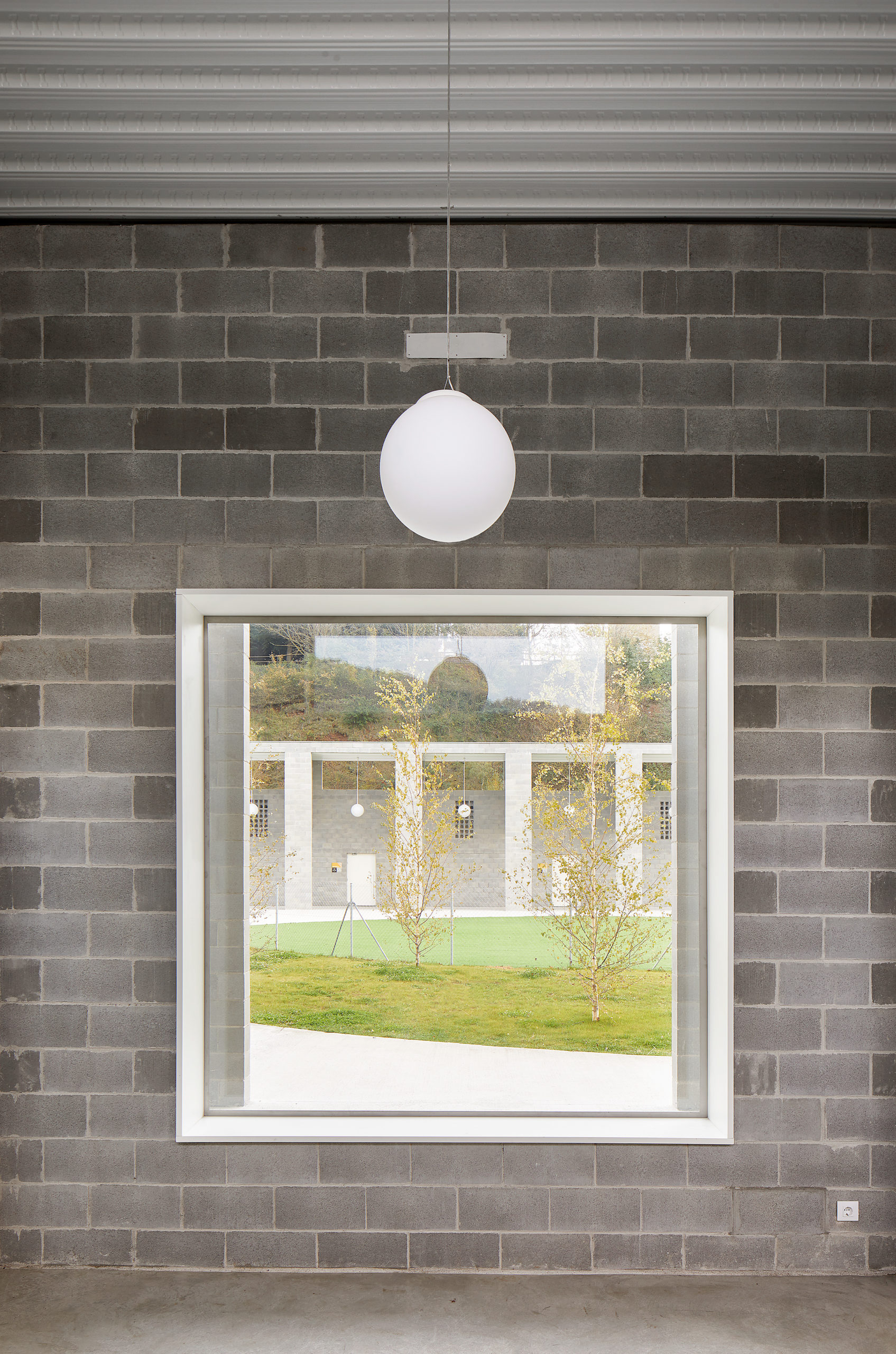
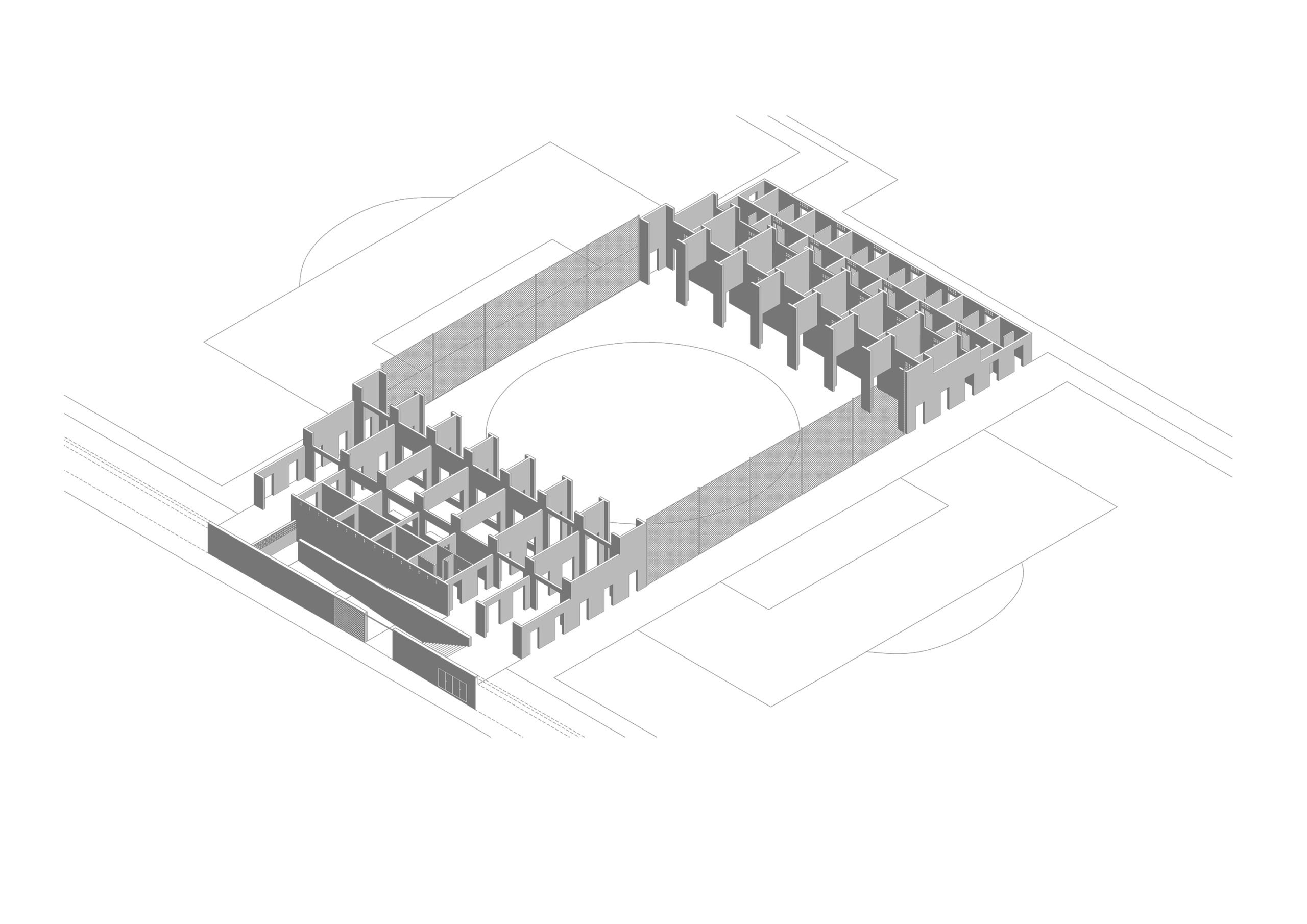
Everything is structure. Working within a tight budget, investments were earmarked for the most essential items: the creation of a common area, the generous volume of the inside spaces and the entry of natural light. To this end, building load-bearing walls with concrete blocks was simple and easy to execute. The internal logic defined the calligraphy for the work and guided the sizes of the rooms.
The pair of facing pavilions define a setting for cultivating one of the most essential values planned for this sports complex: socialising.
Situation
Carrer de França, 30-32. 17800 Olot
42.191038, 2.482055
Team
Xevi Rodeja, Jordi Moret
Paula Alejandro, Mariona Planiol, Thommy Parra, Sara Palmada, Sergi Jiménez
Building Engineers
Jesús Bassols, Albert Casademont (Colomer-Rifà)
Structural Designer
Blázquez Guanter, CODIestudi
Facilities project
Serveis d’Enginyeria Sobirana Parés
Promoter
Olot town hall
Constructor
Argón Informática
Images
José Hevia
Video
Pep Sau, Job Ramos
Surface
865 m² pabellones + 1.220 m² exteriores
Project and construction dates
2016 / 2016 – 2017
Awards
2018. Awarded Spanish Biennial of Architecture and Urbanism
2018. Finalist Living Places – Simon Architecture Prize
2018. Finalist Ceramic Awards
2018. Mention Architectural Awards of the Counties of Girona
2021. Selected BigMat International Architecture Award
2019. Selected São Paulo International Biennial of Architecture
2019. Selected Iberoamerican Biennial of Architecture and Urbanism
2018. Selected FAD Awards
With the support of Institut Ramon Llull, Acción Cultural Española
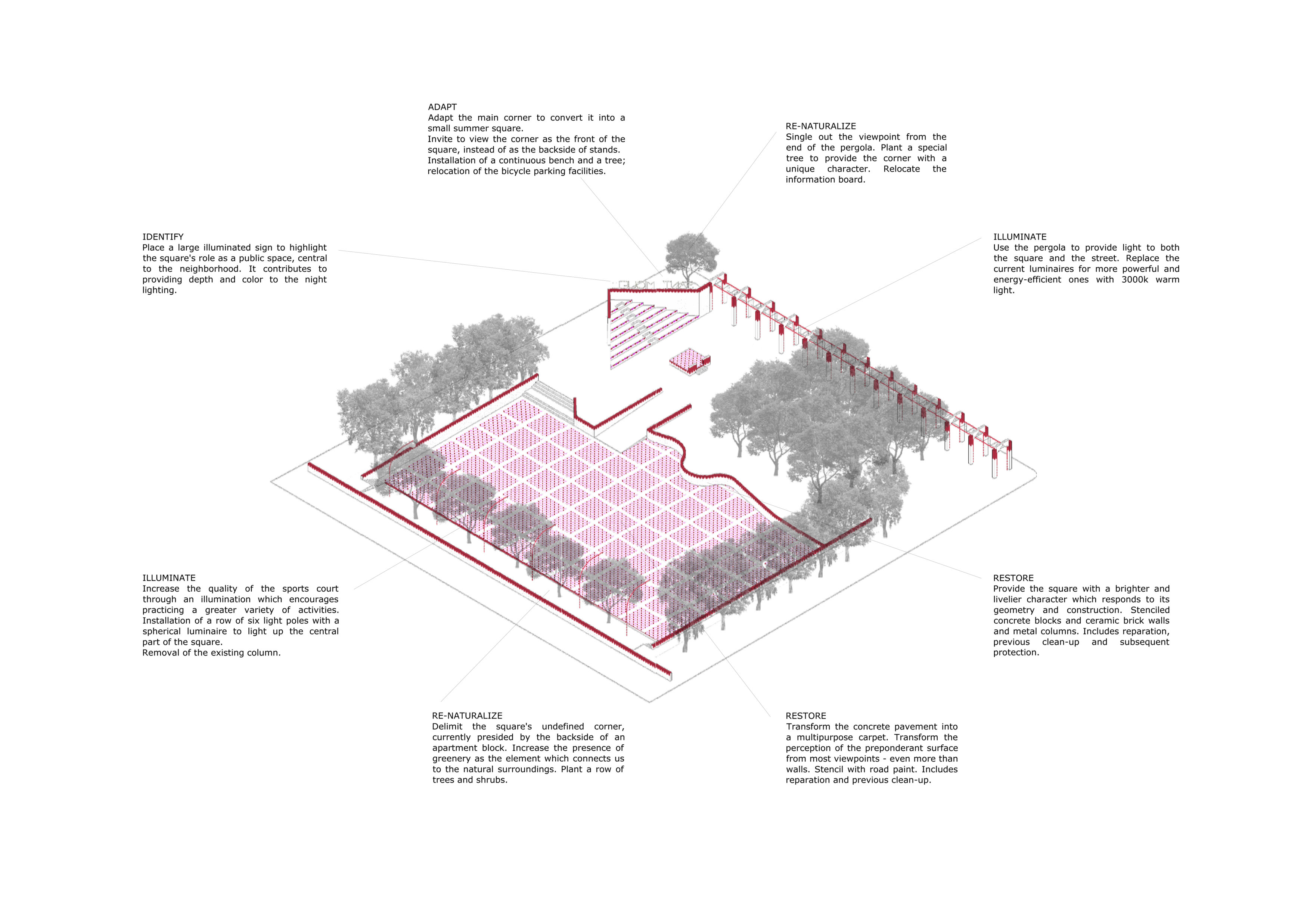
Dressing up the square
Domesticating the community room. Olot, 2015
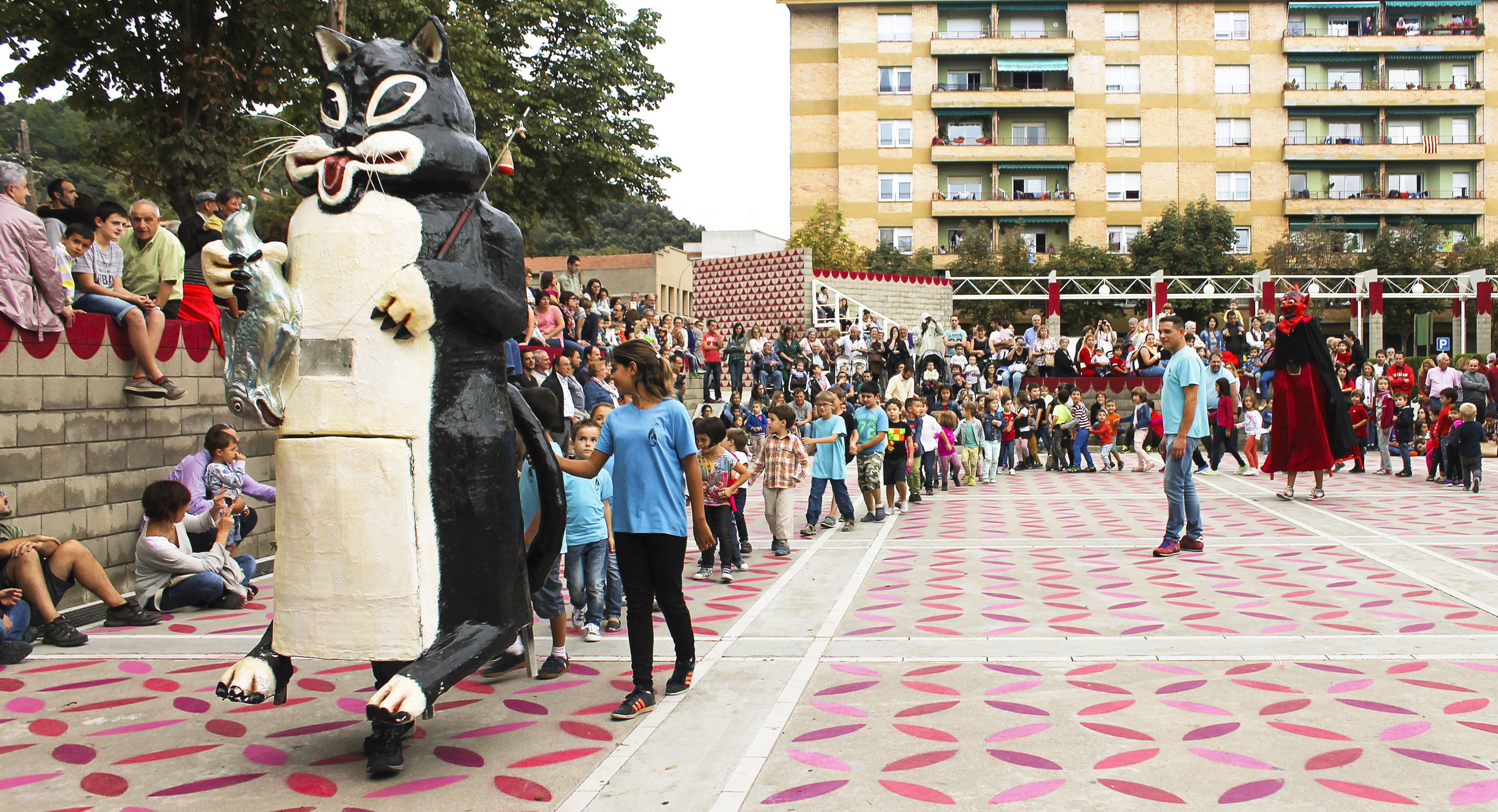
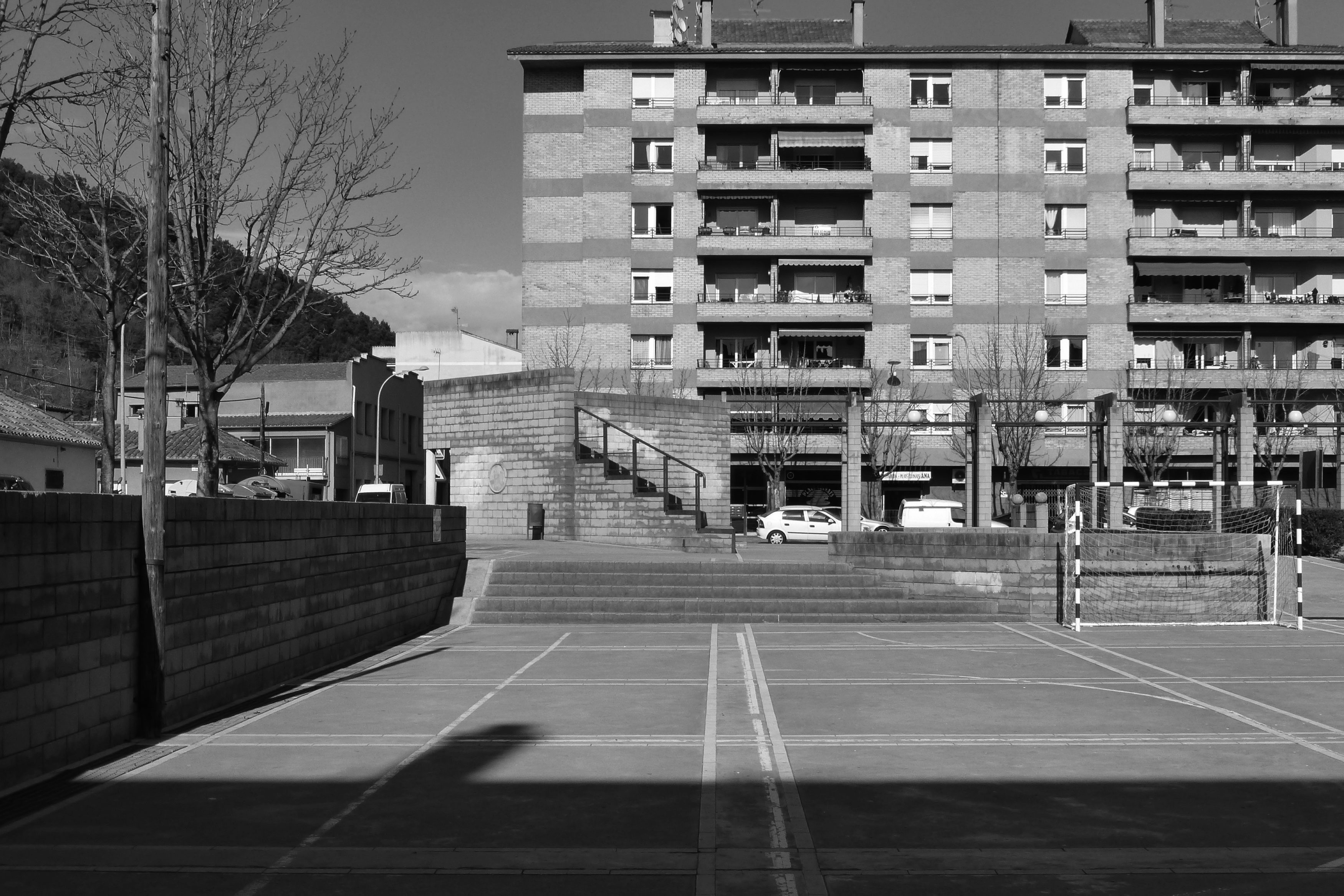
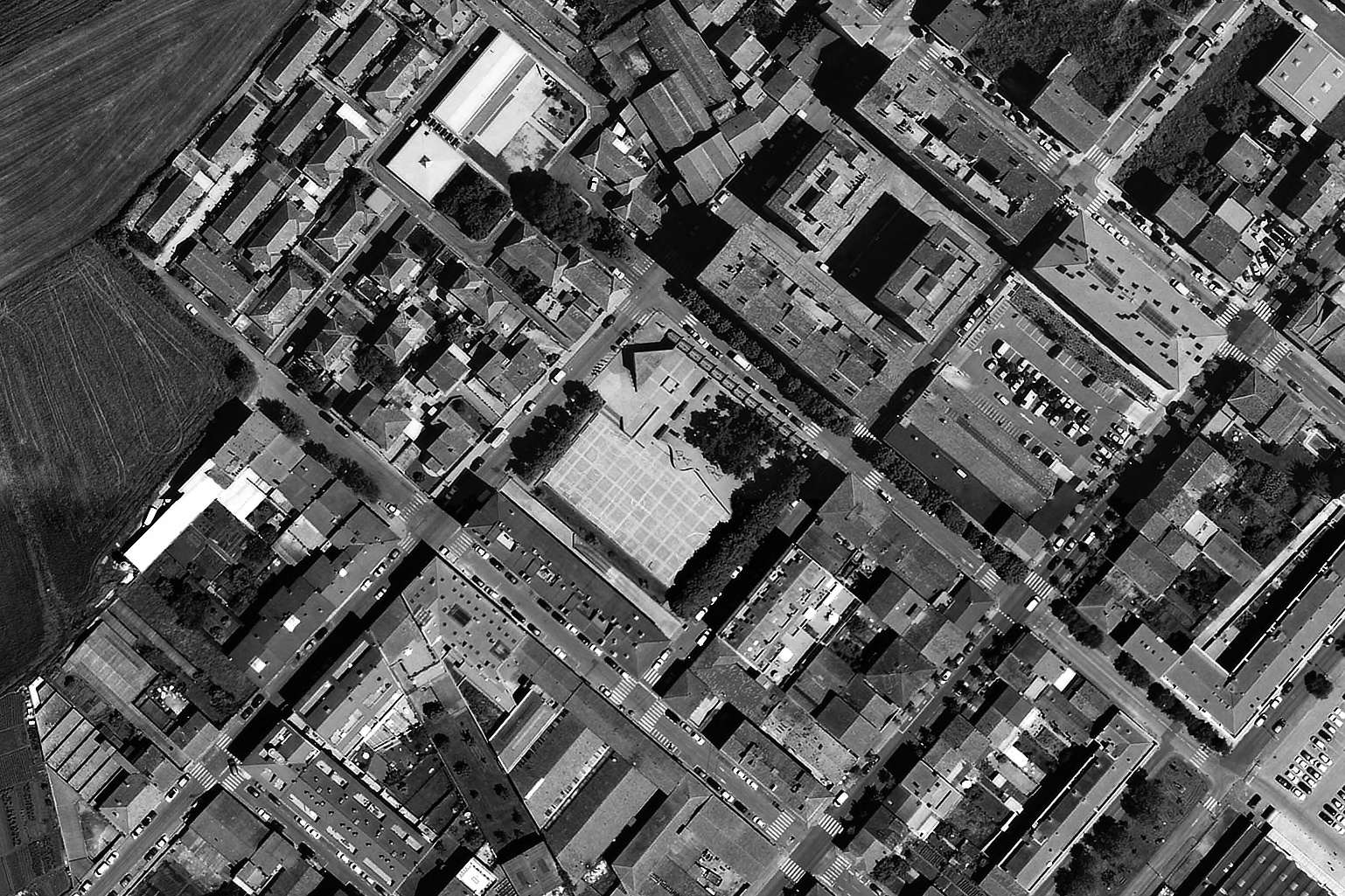
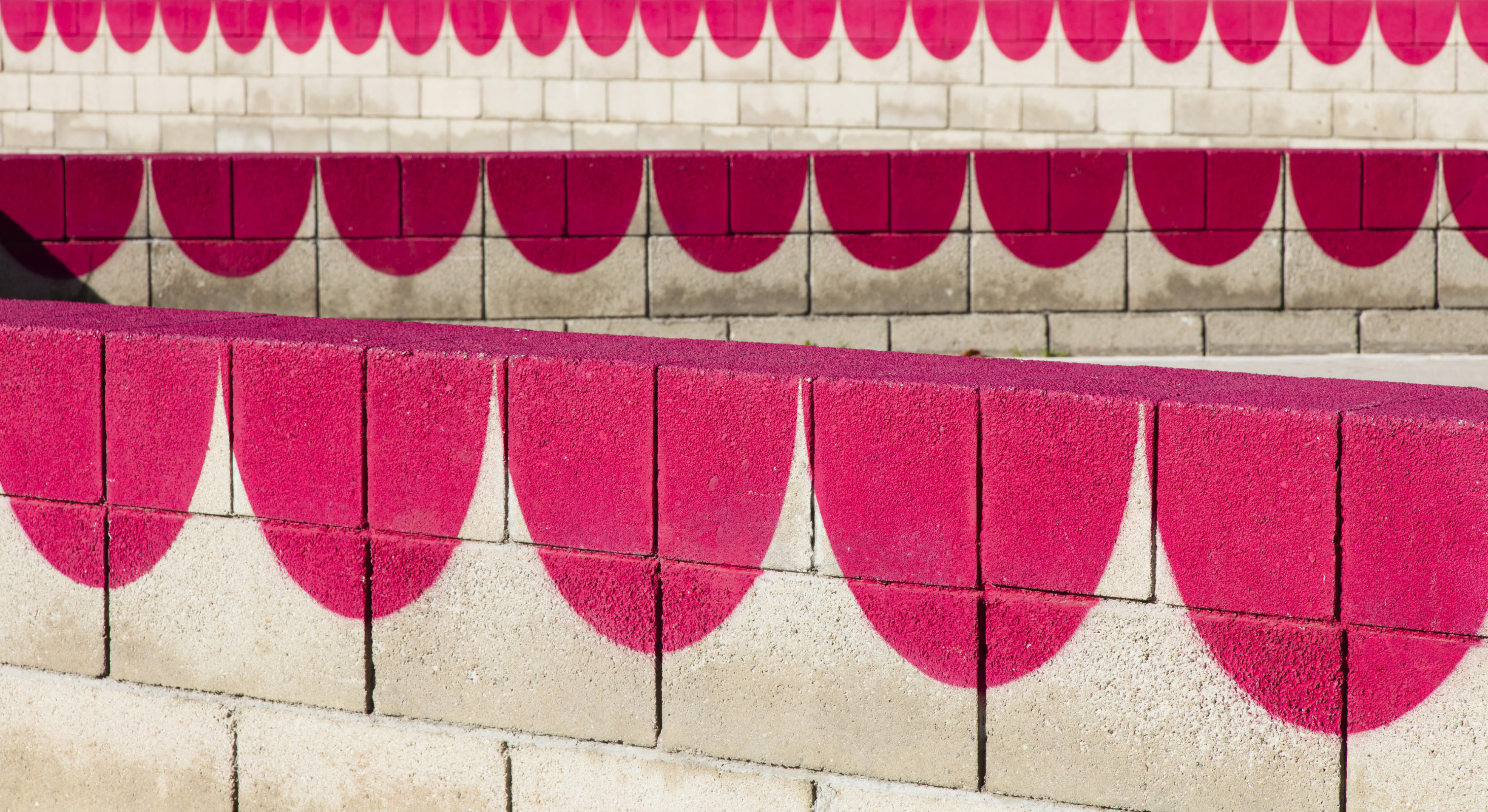
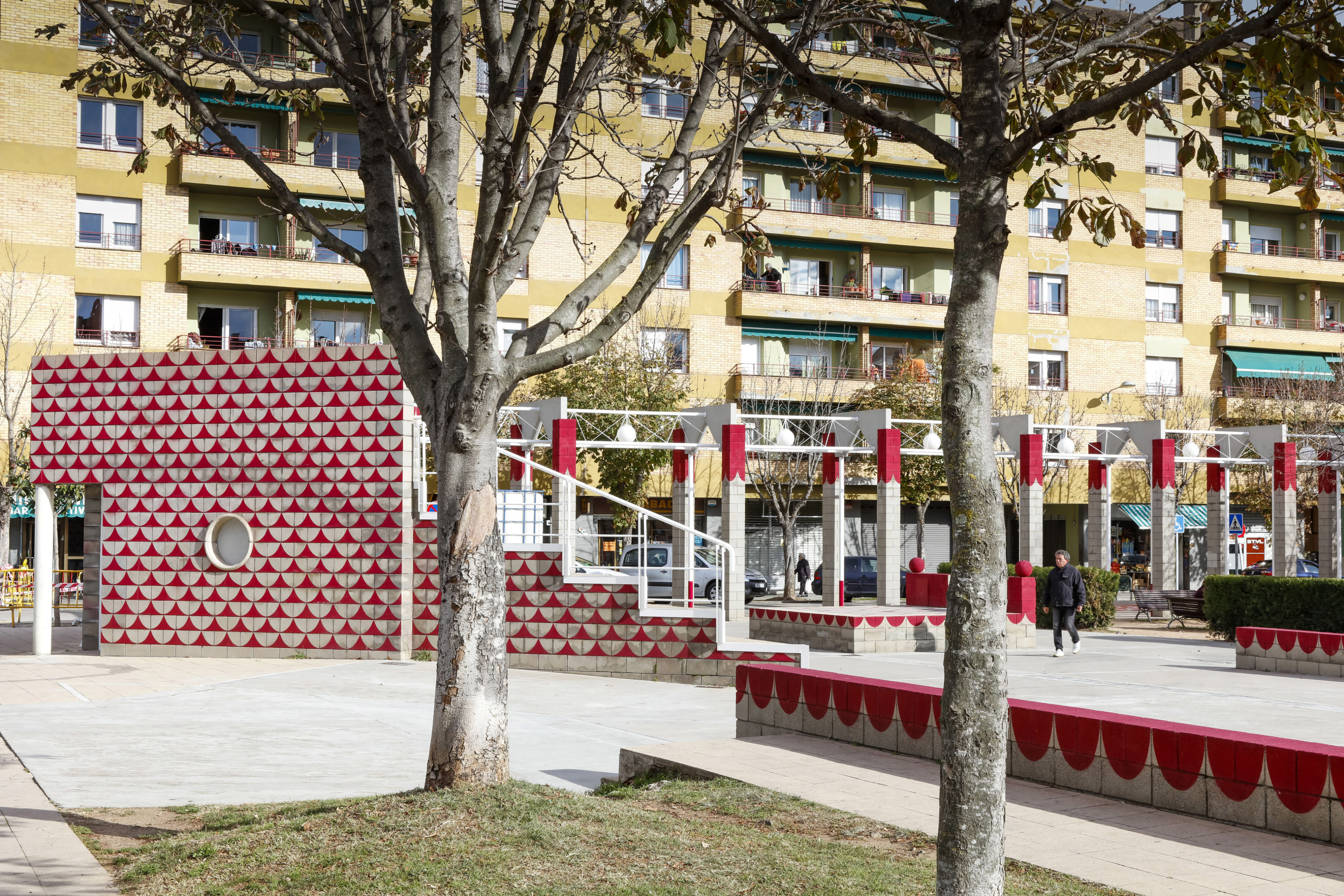
The comfort and feeling of public spaces determine how we as citizens use them and make them ours. Showing off its new attire, Olot’s Sant Miquel Square takes on a domestic hue, leading people to view it as a community space for the neighbourhood. At a minimal cost, the foundations were laid to make it the centre of social life once again, an inclusive area where all the neighbours meet up to chat and socialise and can feel at home.
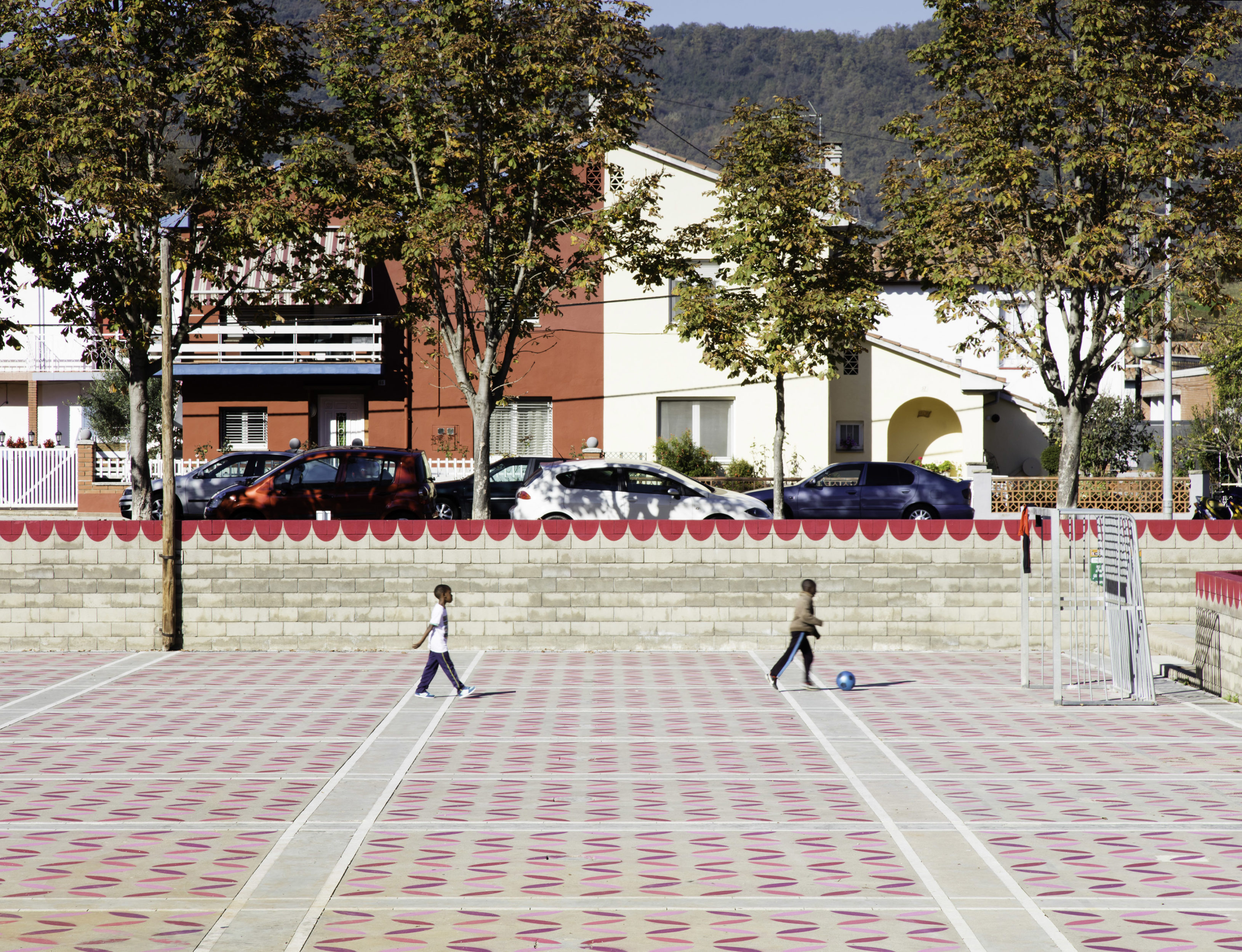
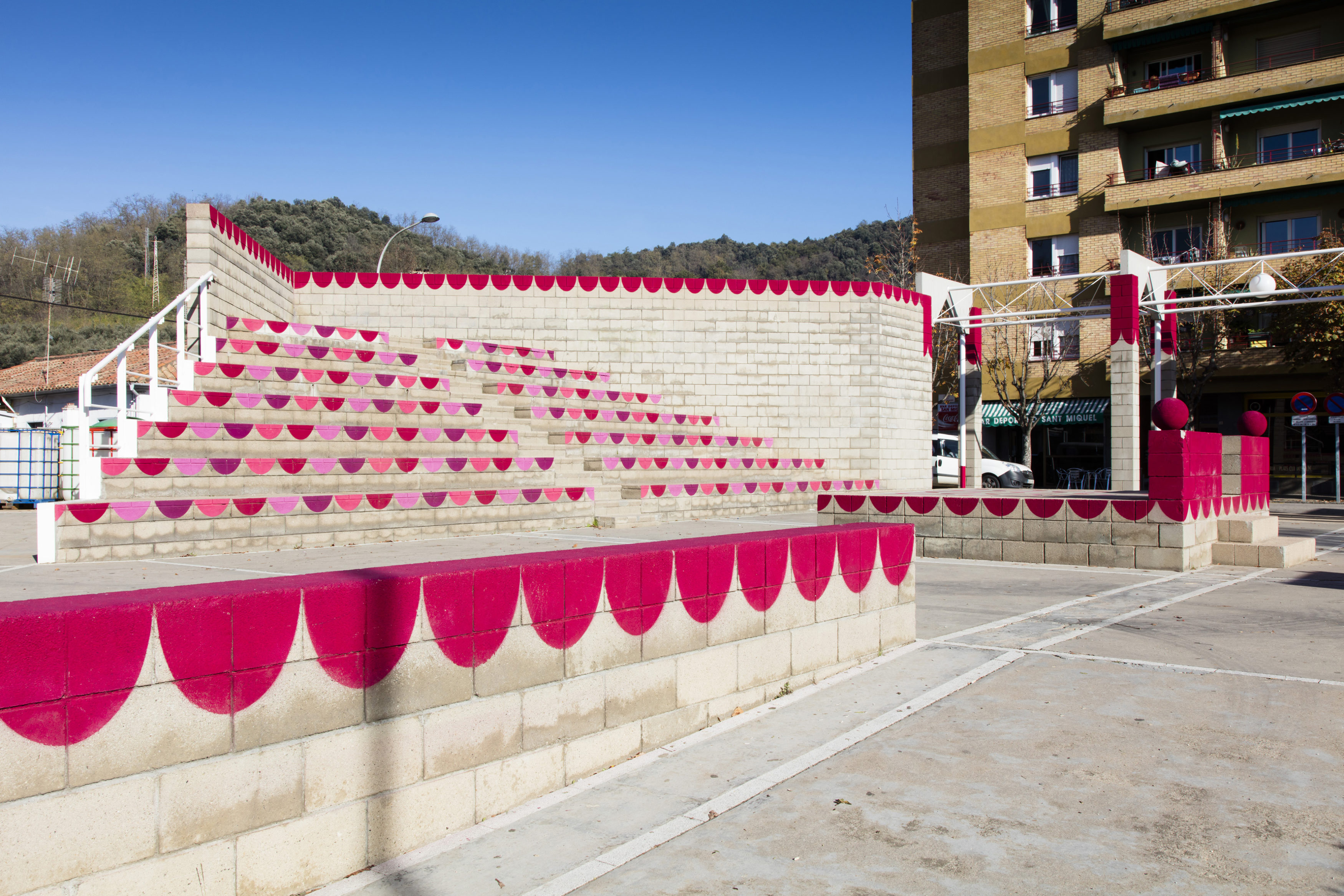
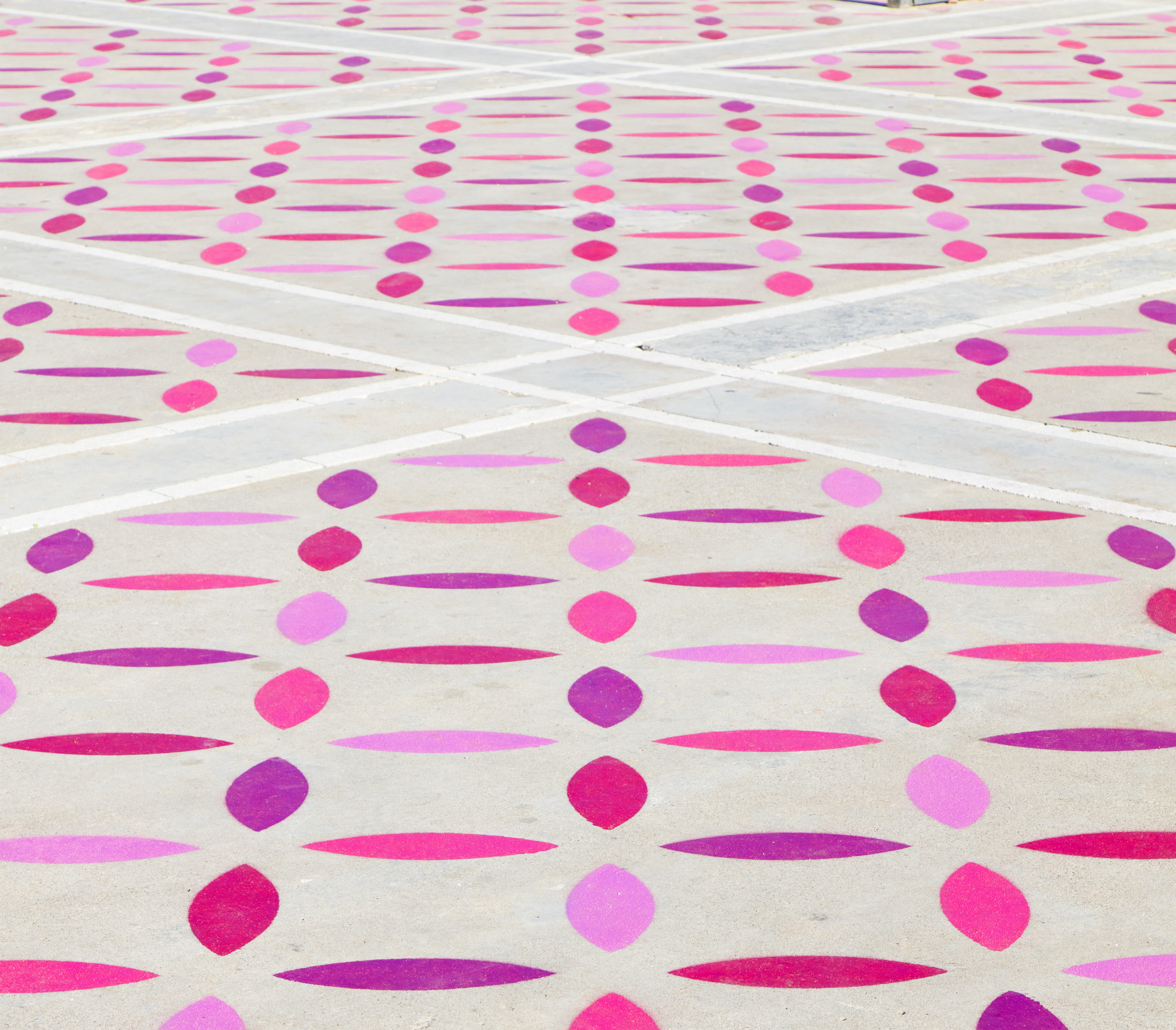
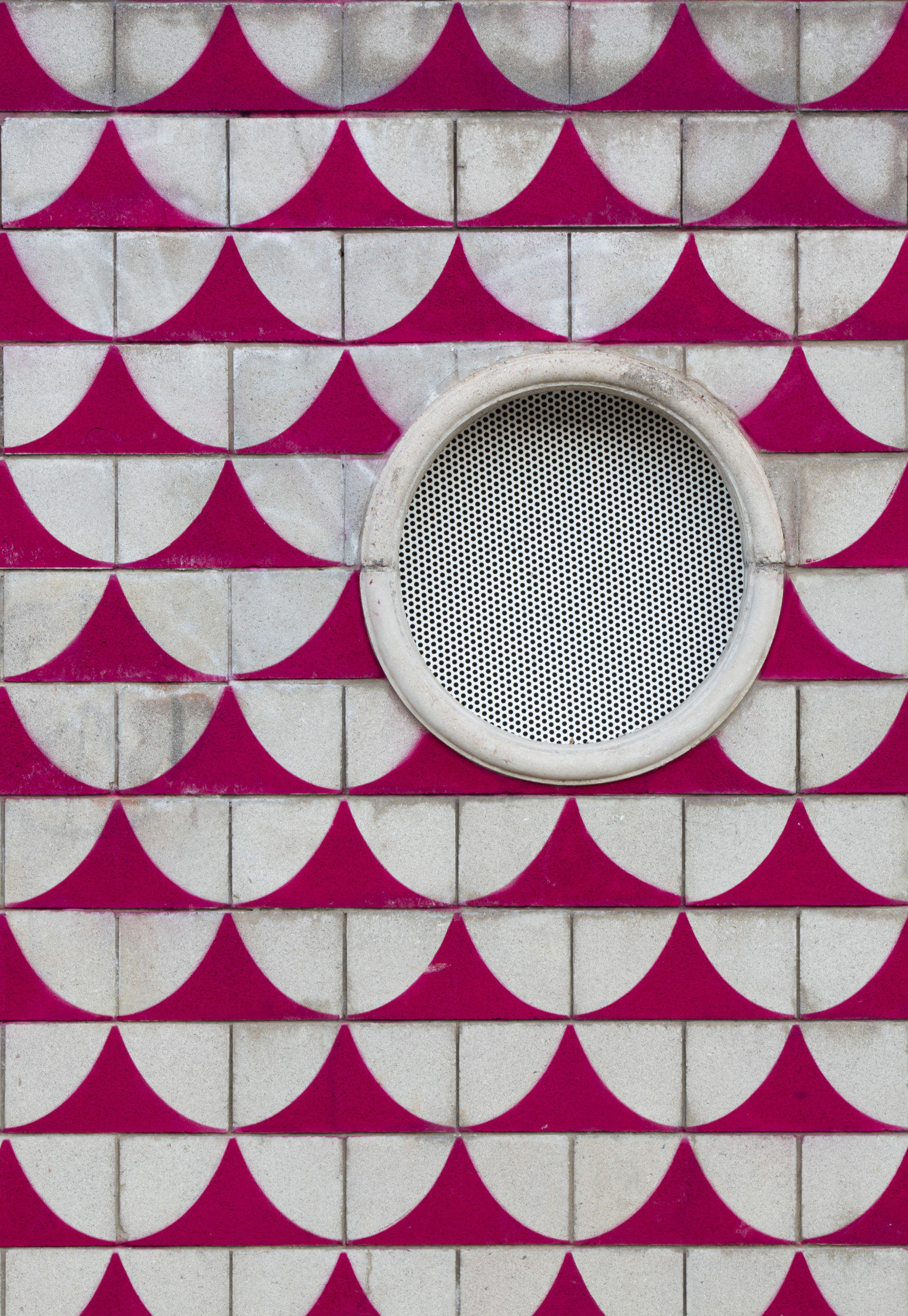
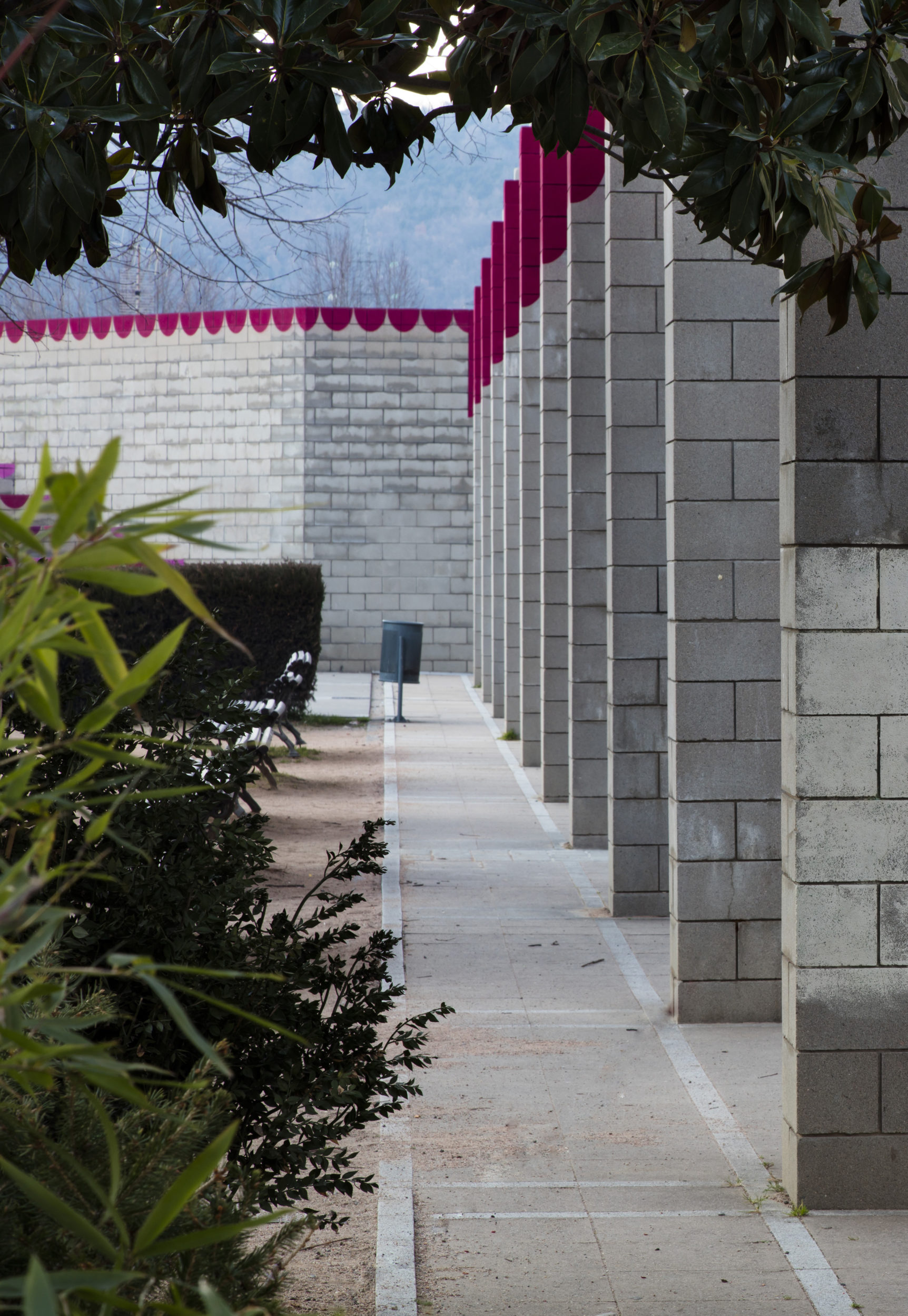
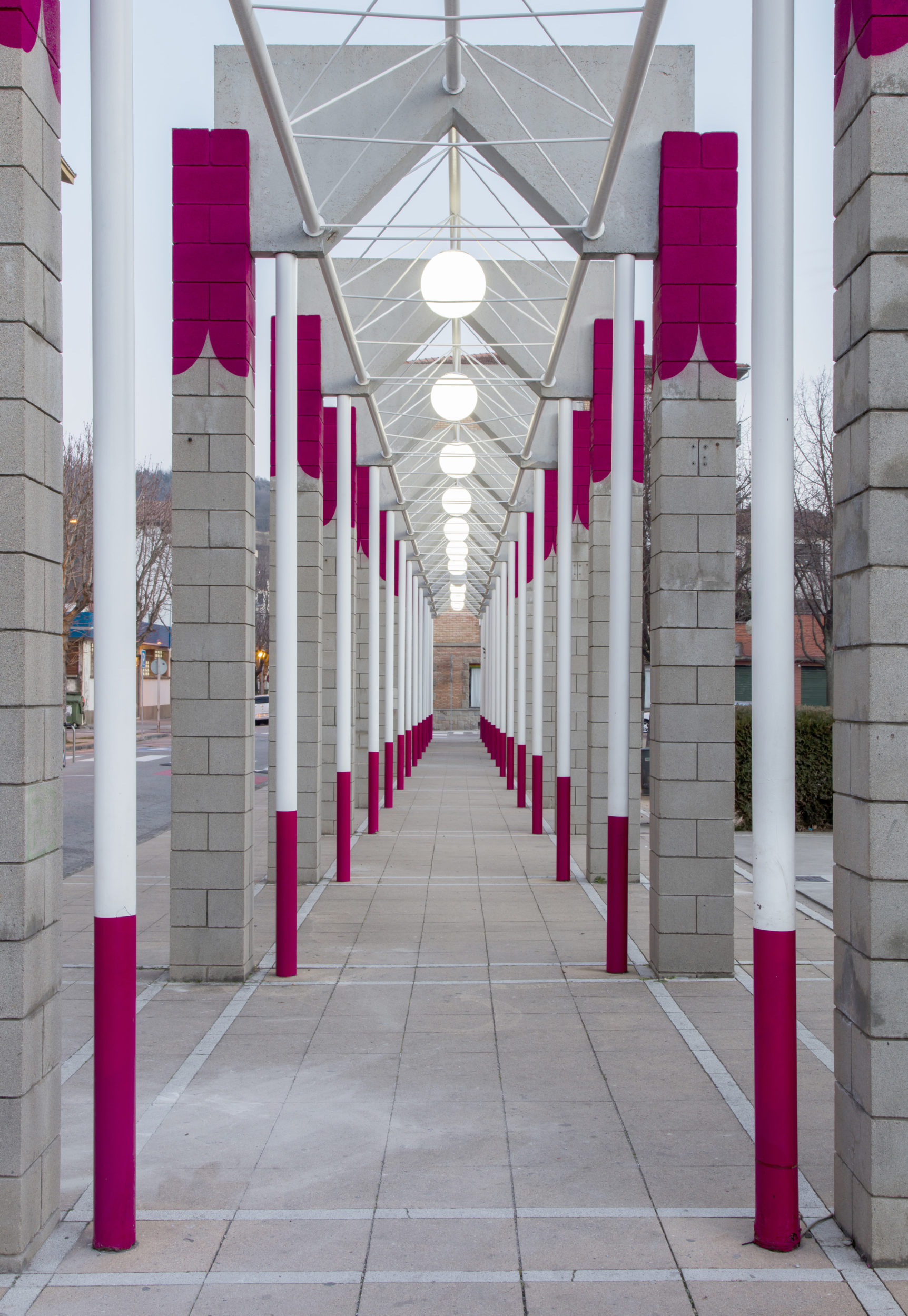
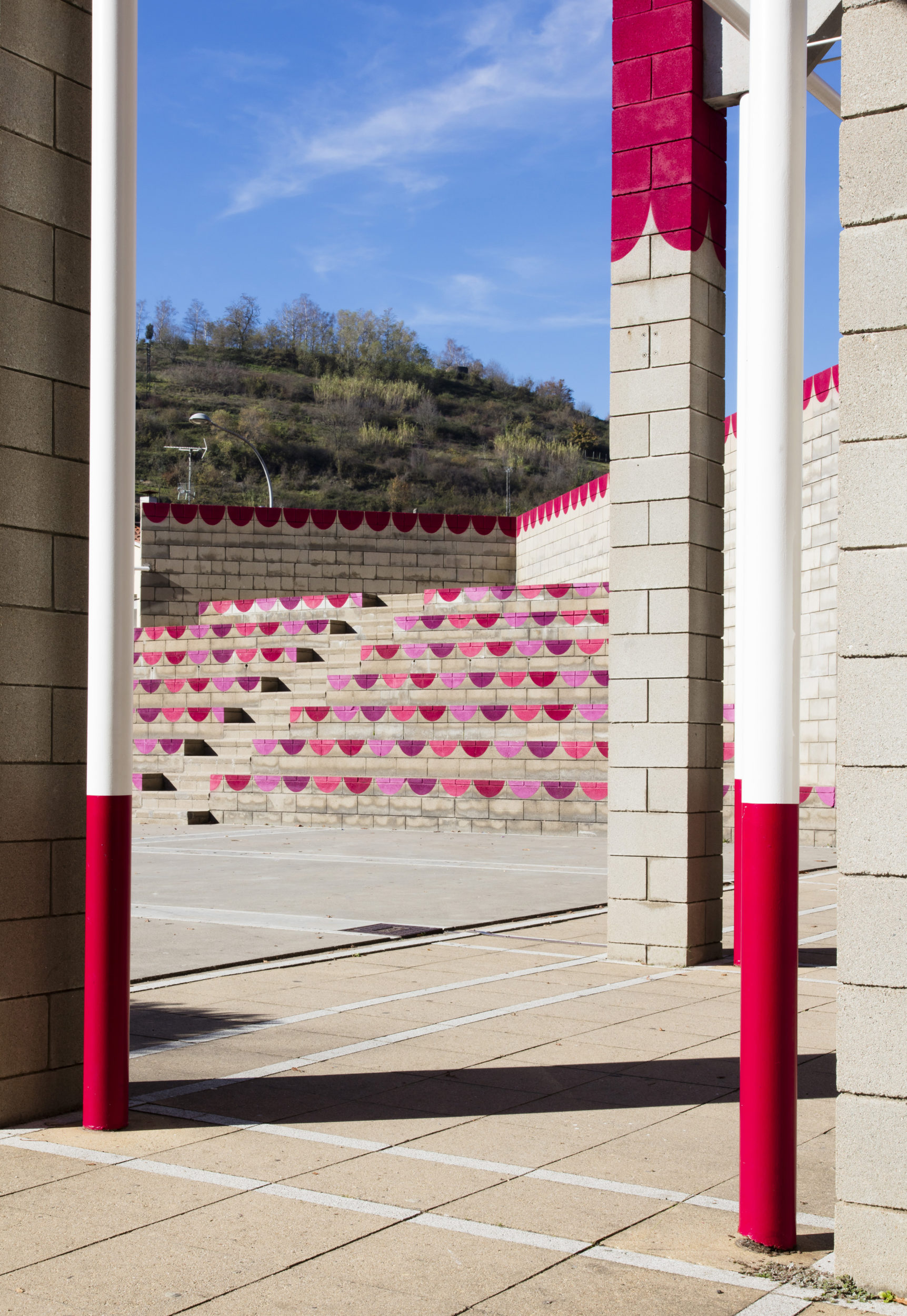
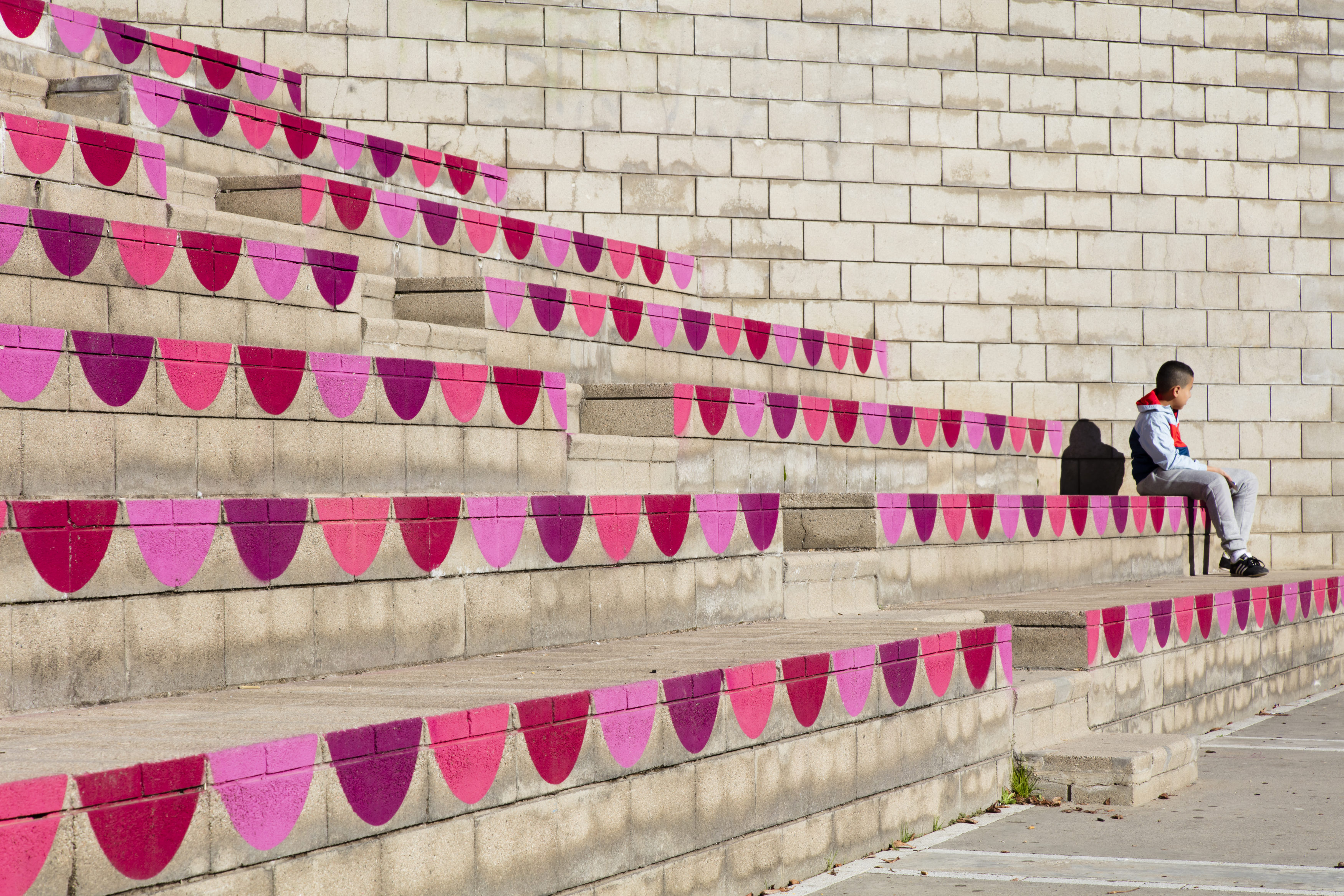
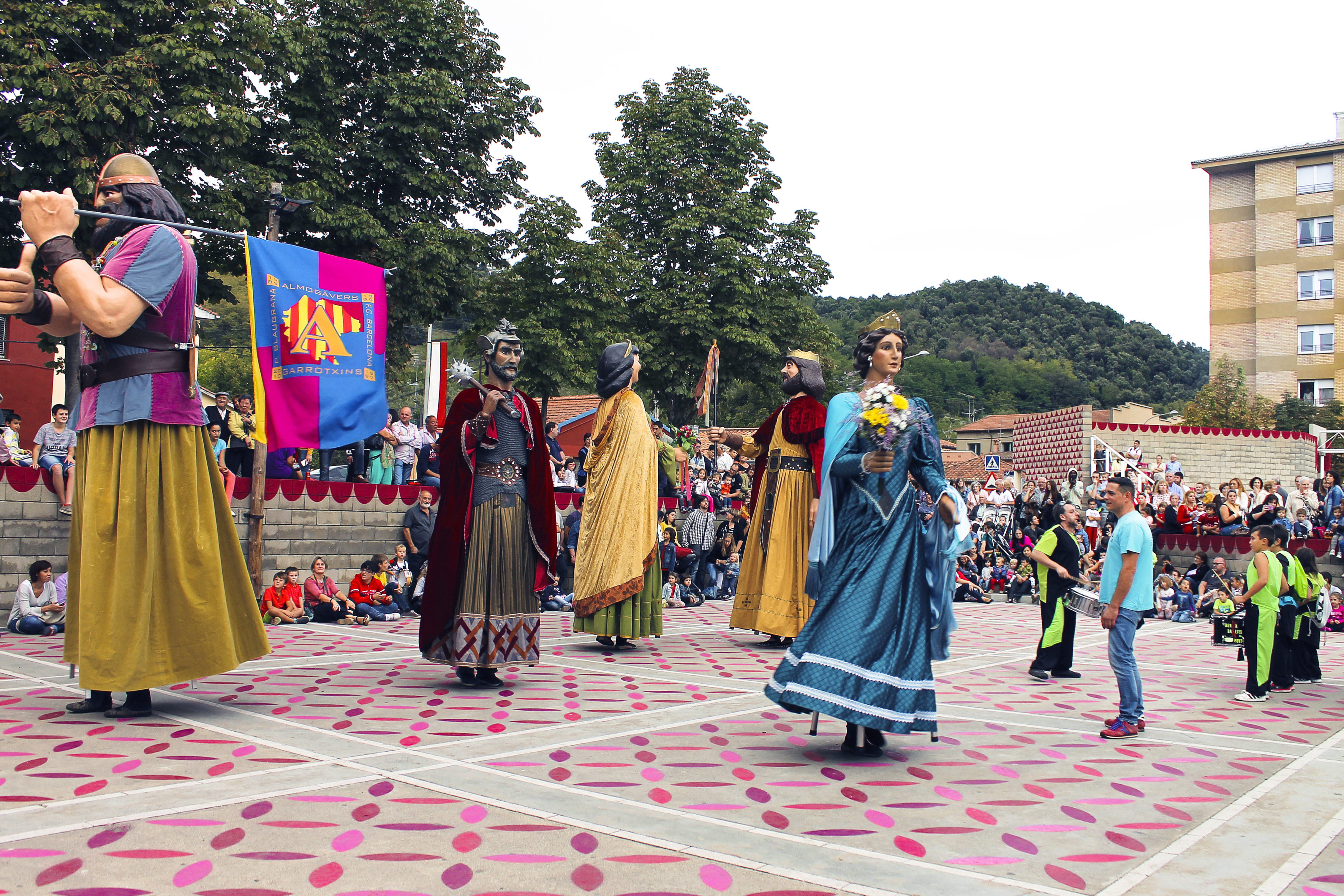
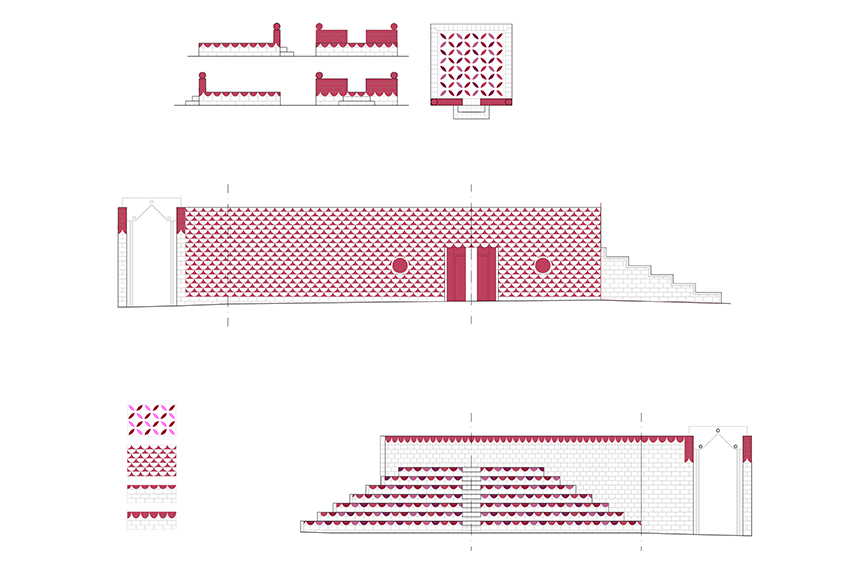
By applying layers of paint selectively, the work clearly comprehends and then enhances the spatial quality, geometry and construction systems of the square’s architecture. Crowning touches, patterns and carpets imbue the concrete-block walls with lightness, luminosity and colour, following their modulation and reinforcing the textile feeling of the medium.
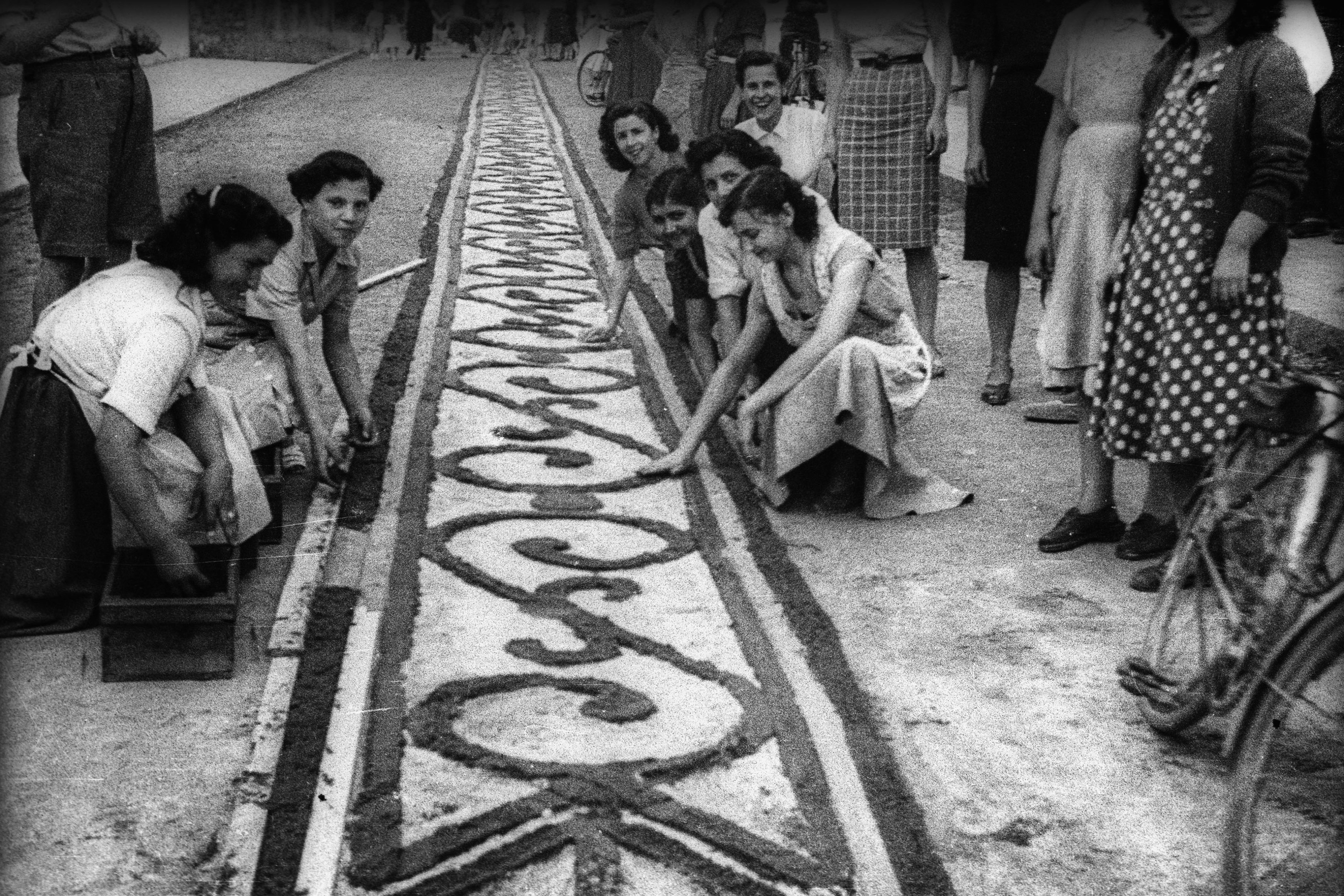
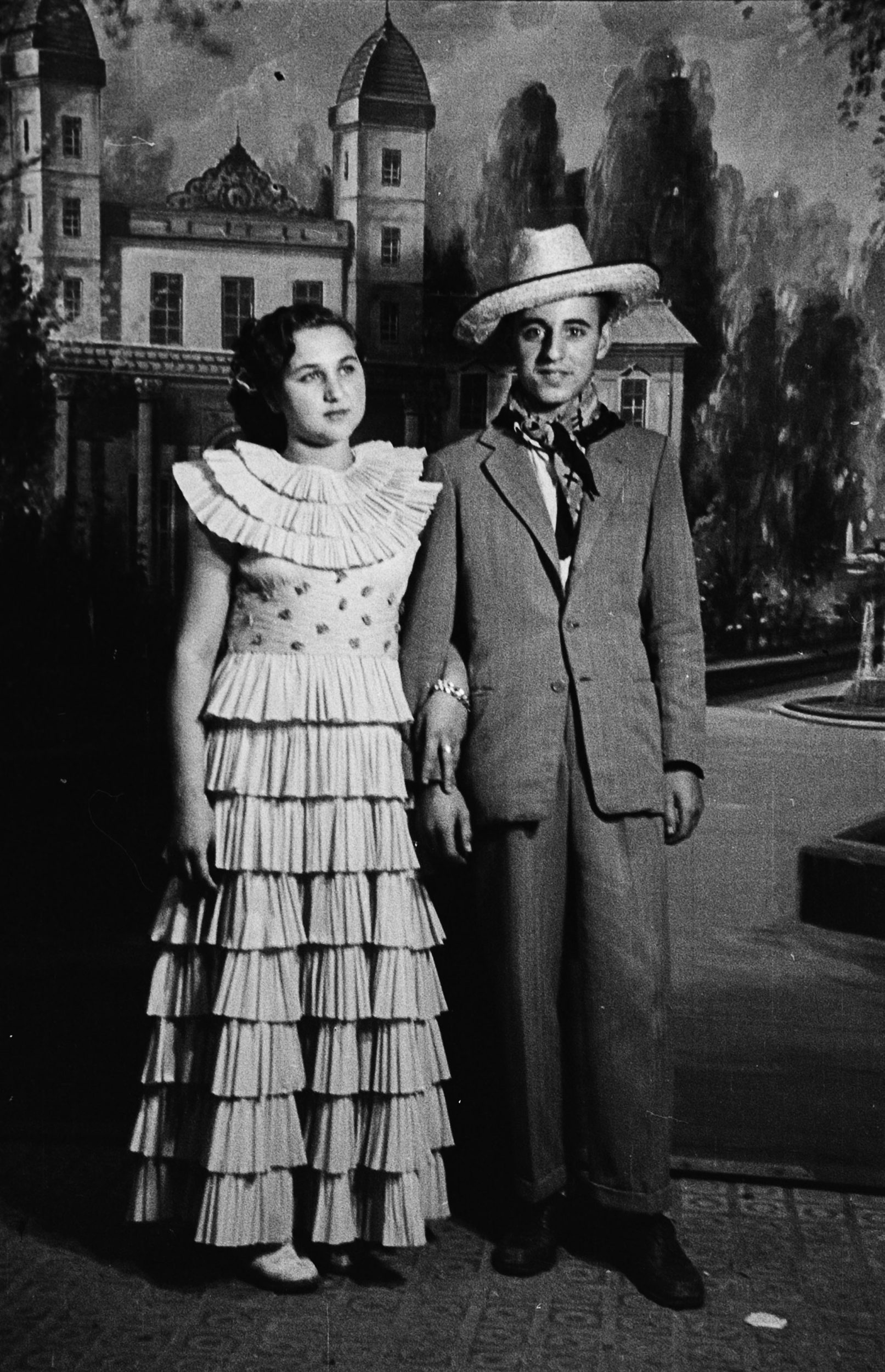
The geometric patterns are evocative of domesticity, as well as the events that identify the neighbourhood, like the paper-costume parade, the musician’s troupe dance and outside concerts under the marquee. This action strengthens the uniqueness of every space but – most importantly – creates a backdrop that can easily host and be home to a wide range of activities and users, including games.
The project defines and develops one of the actions set out in the Comprehensive Plan for Urban Regeneration, the outcome of the participative process led by Paisaje Transversal. Just like salt enhances the taste of a stew, the perfect amount of paint strengthens the identity and integrating character of the square and – by extension – of the entire neighbourhood.
Situation
Plaça de Sant Miquel. 17800 Olot
42.187534, 2.495525
Team
Jordi Moret, Jordi Collell, Ramon Heras
Promoter
Olot town hall
Constructor
Soy & Soy
Images
Roger Serrat-Calvó, La Comarca d’Olot (1, 16/21), Emili Pujol – Arxiu Comarcal de la Garrotxa, Fons Emili Pujol Planagumà (7, 15/21)
Video
Un Parell d’Arquitectes, Imma Serra
Surface
4.235 m²
Project and construction dates
2015 / 2015
Awards
2016. Awarded AJAC Awards
2016. Finalist European Award of Urban Public Space
2016. Finalist Architectural Awards of the Counties of Girona
2016. Finalist Living Places – Simon Architecture Prize
2016. Selected Rosa Barba Landscape Architecture International Prize